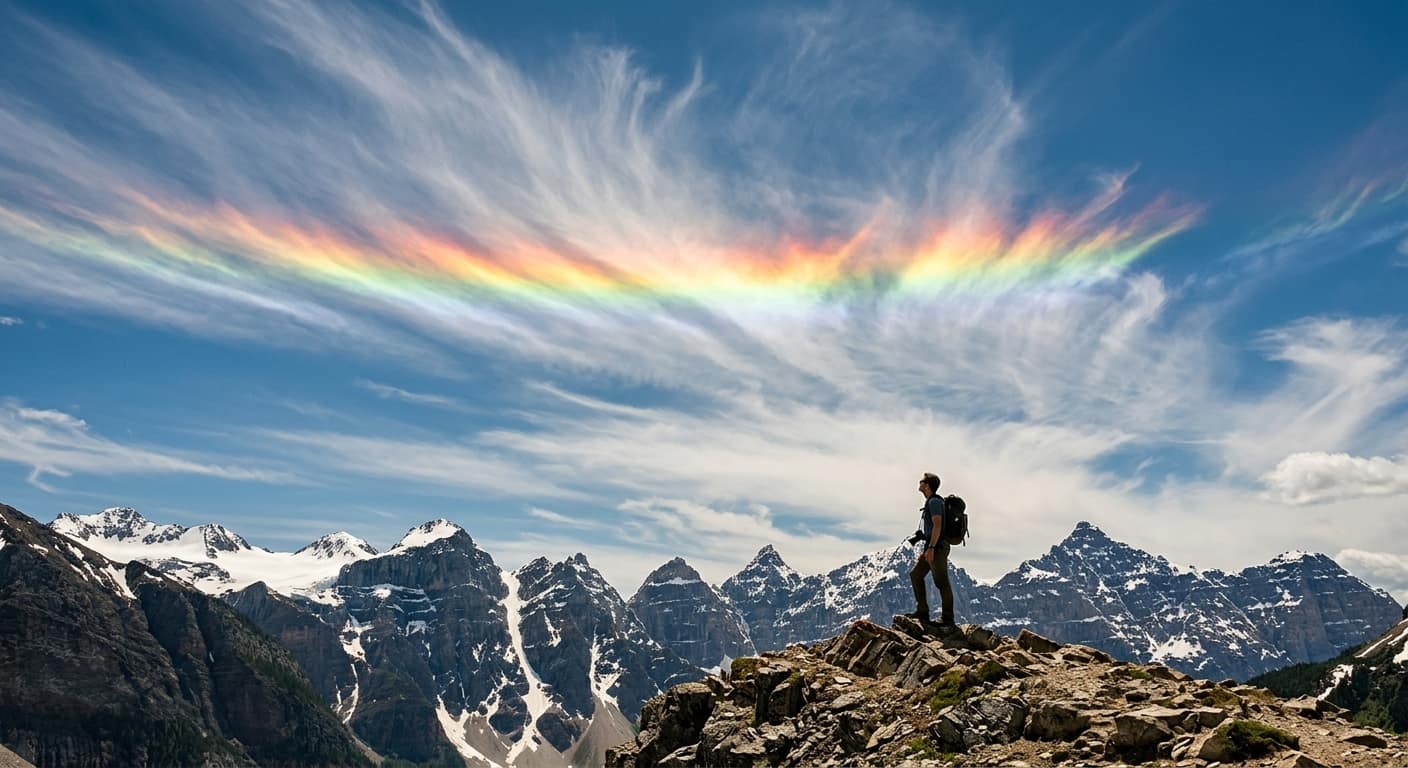
Quick answer: A visual roundup about strange natural spectacles, from lens-shaped clouds to auroras and brightly colored landscapes.
The image is strange enough to stop the scroll. The real story is more useful than the quick caption.
Here is what the picture shows, why it travels, and what to check before sharing it.
Why people clicked
People responded because the story is instantly legible: one visual surprise, one simple claim, and enough curiosity to make people open the link.
But the click is only the start. A good nature story should answer the question the image creates without flattening the subject into a one-line claim.
What the story is about
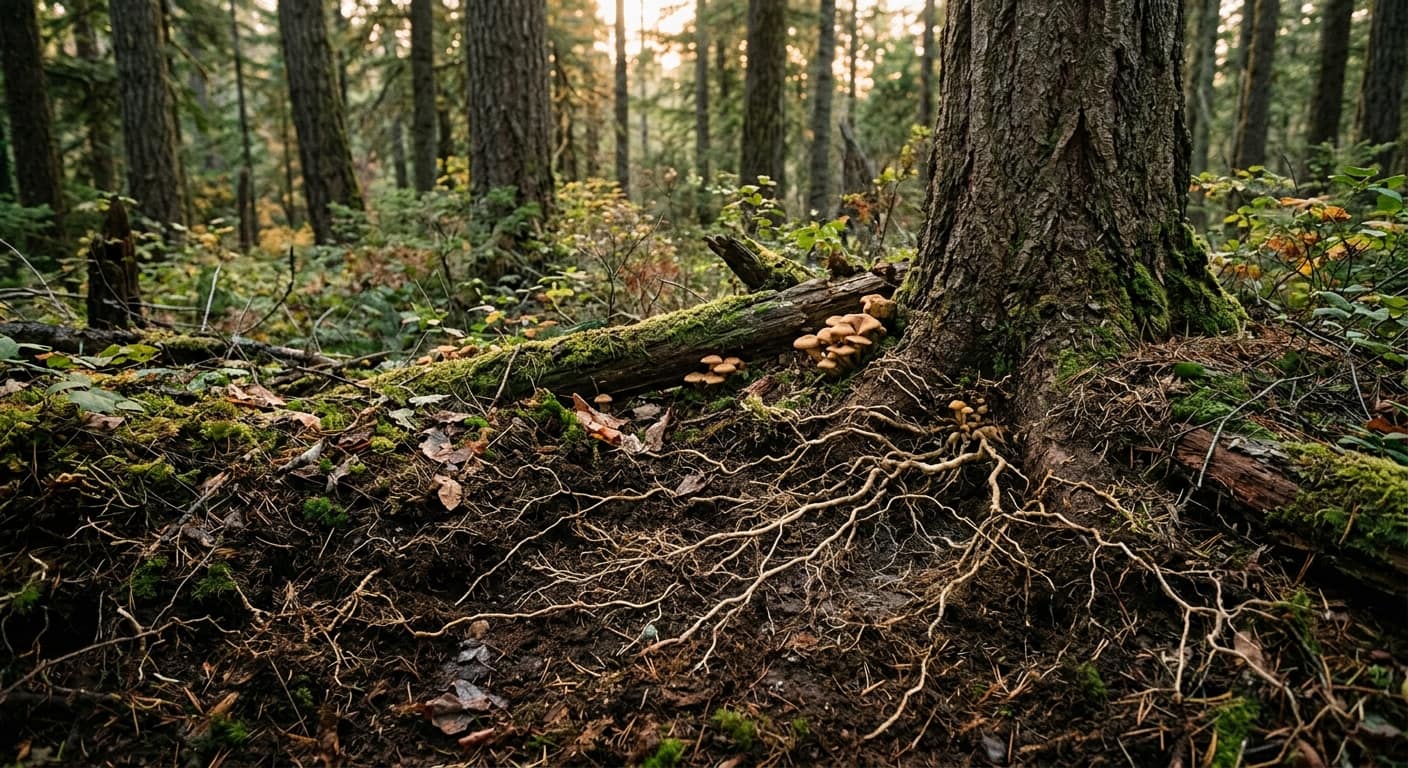
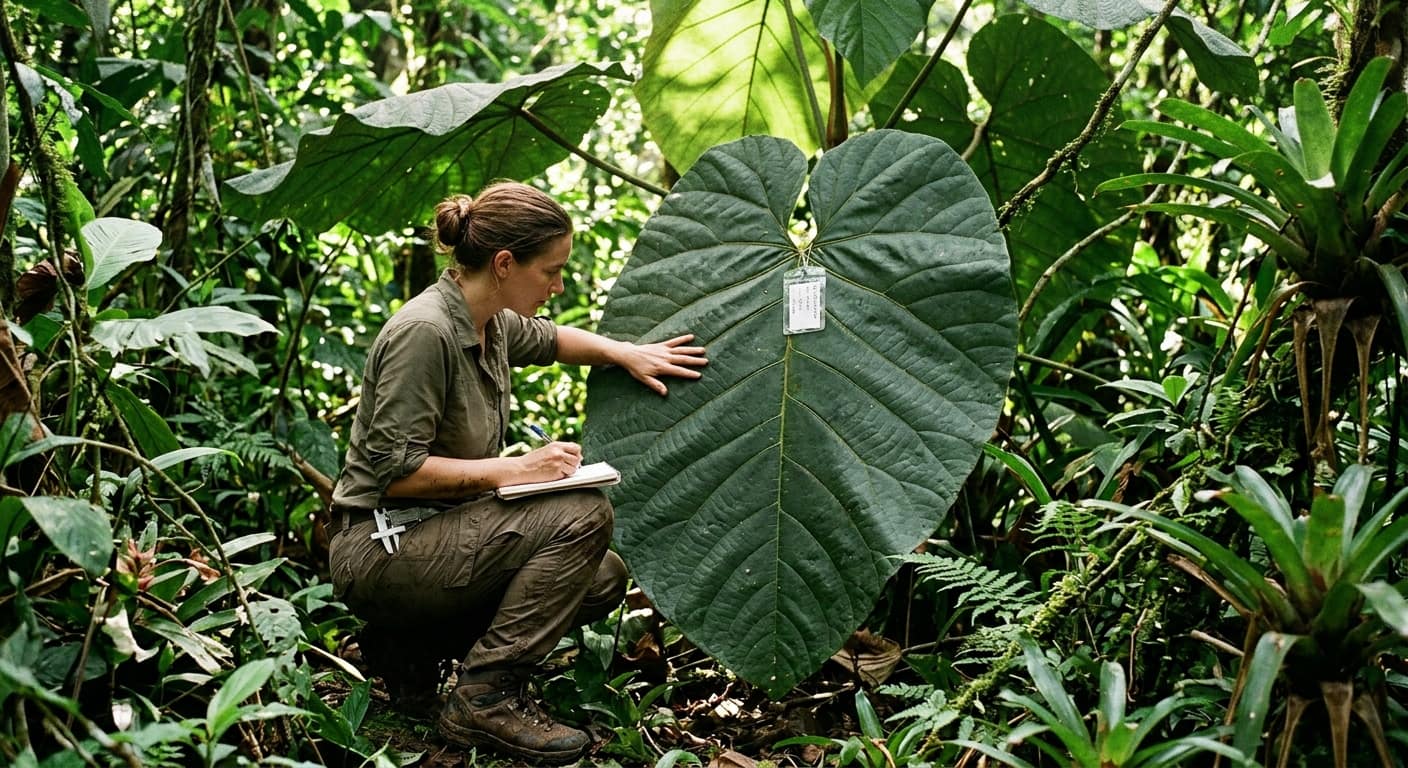
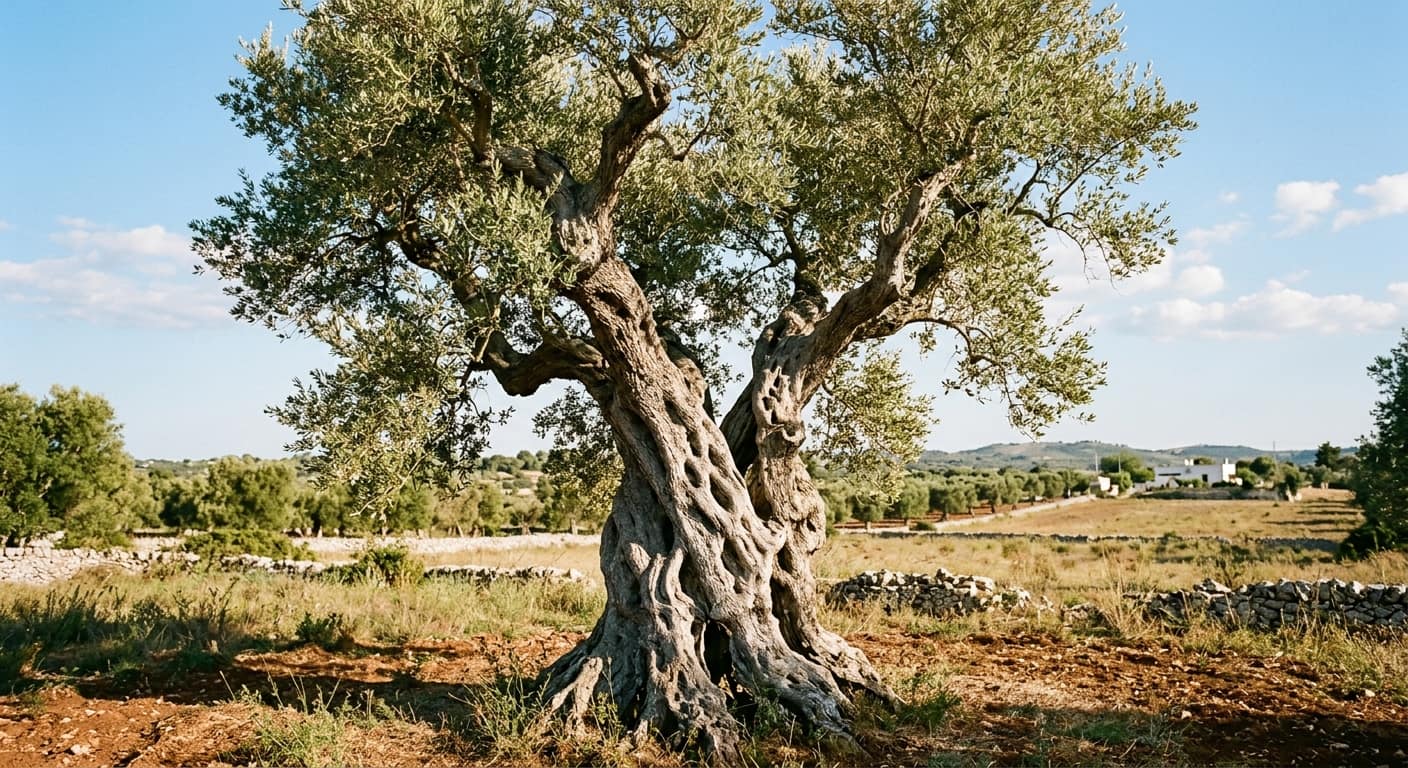
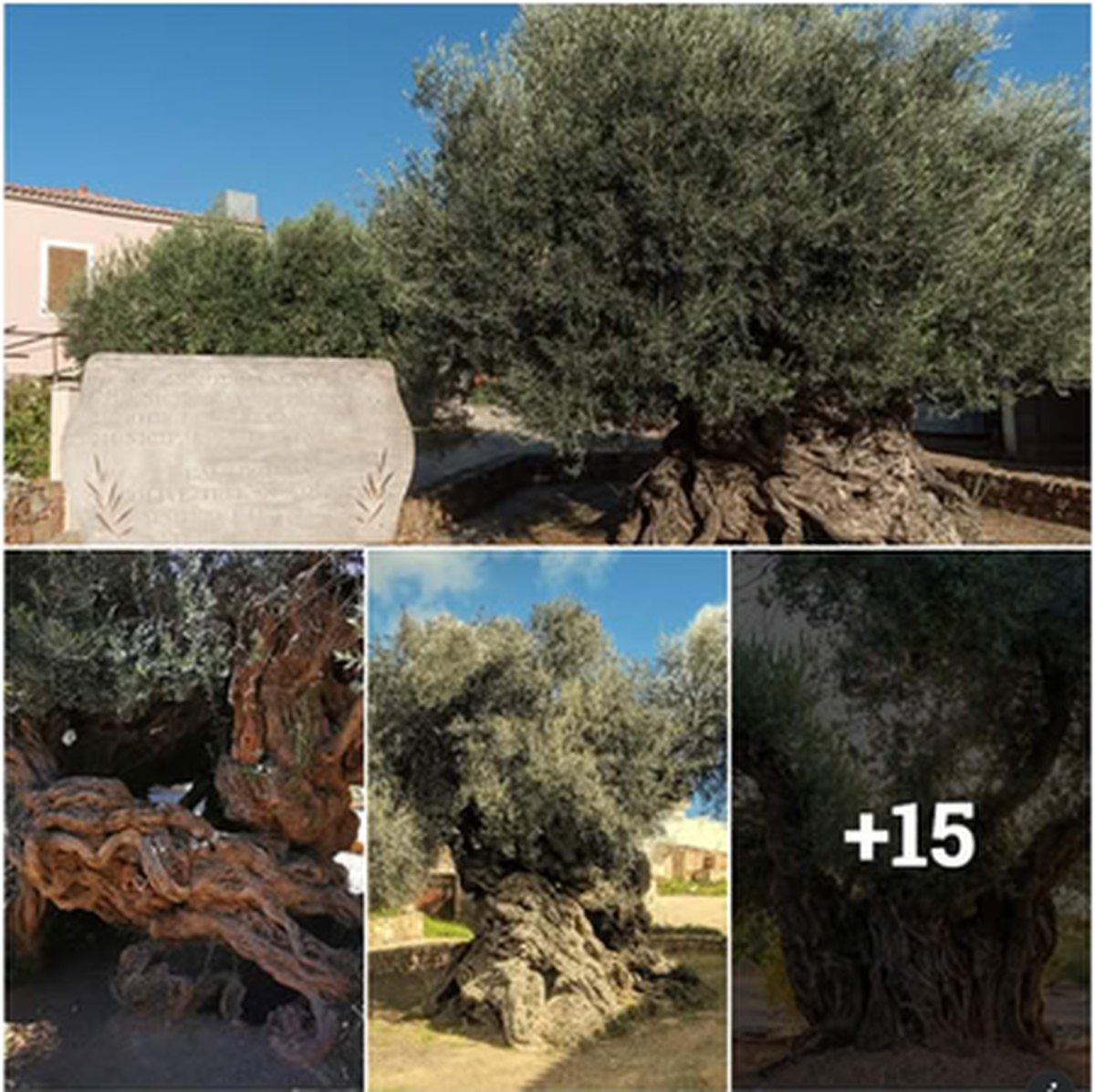
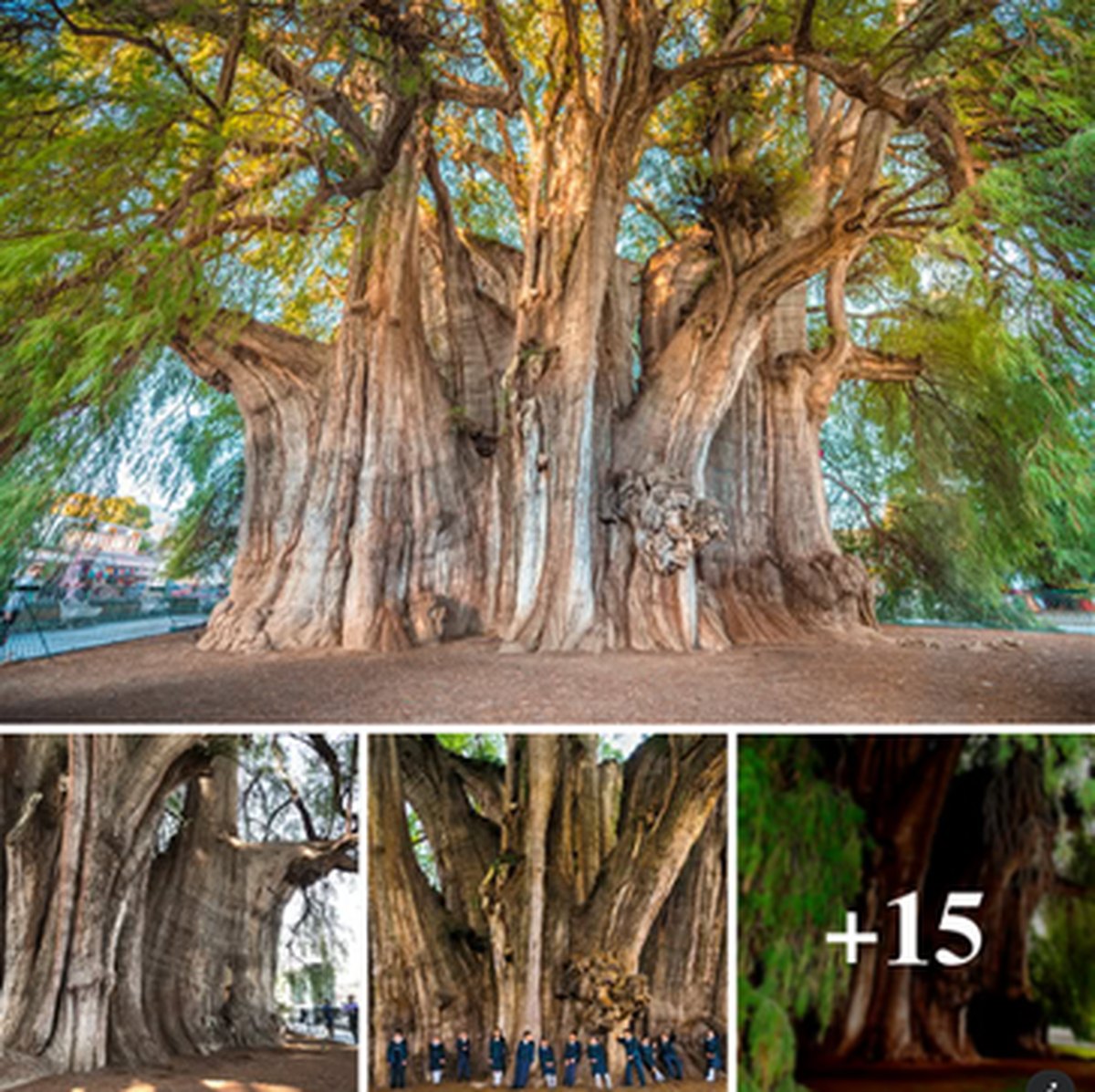
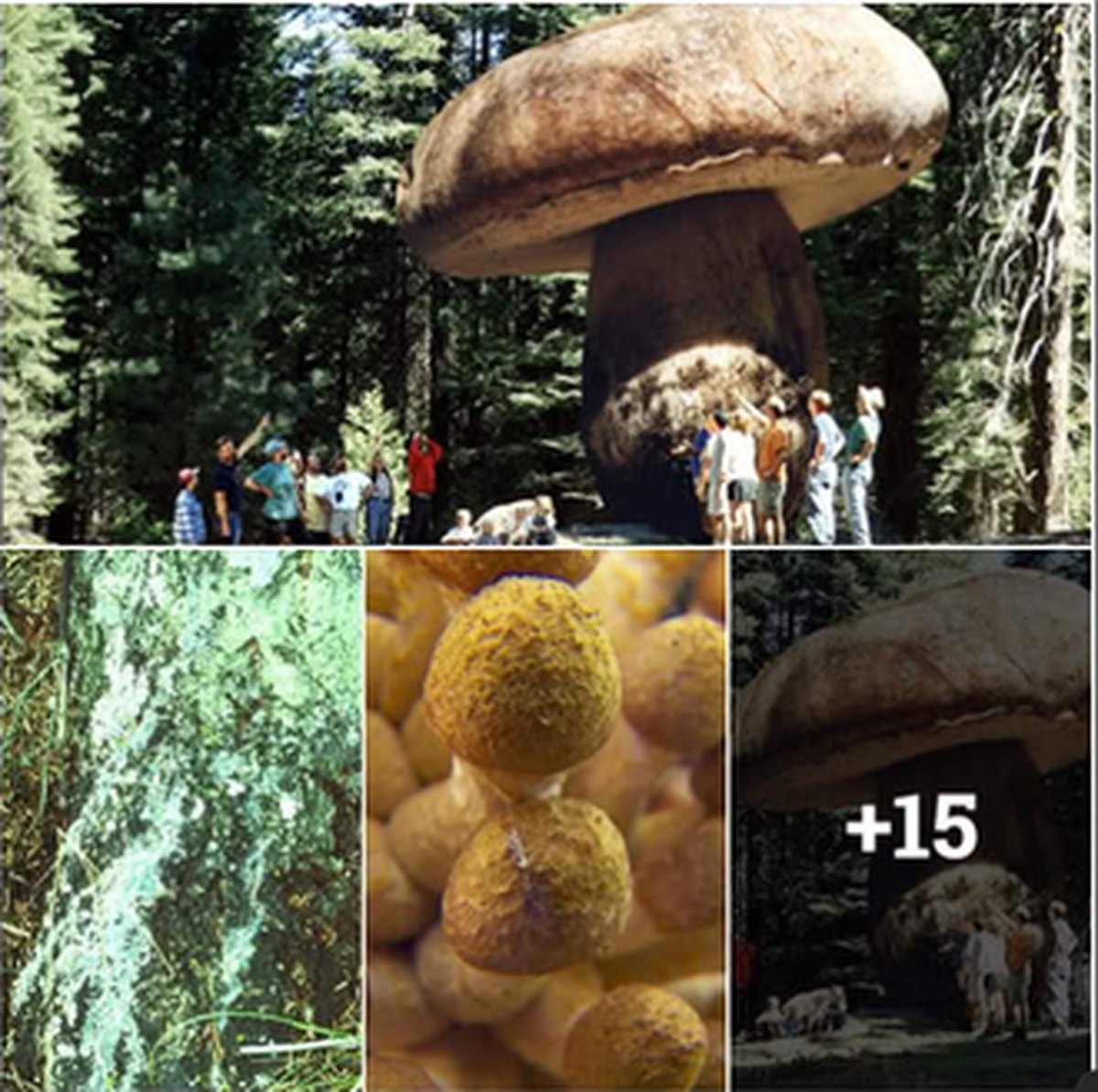
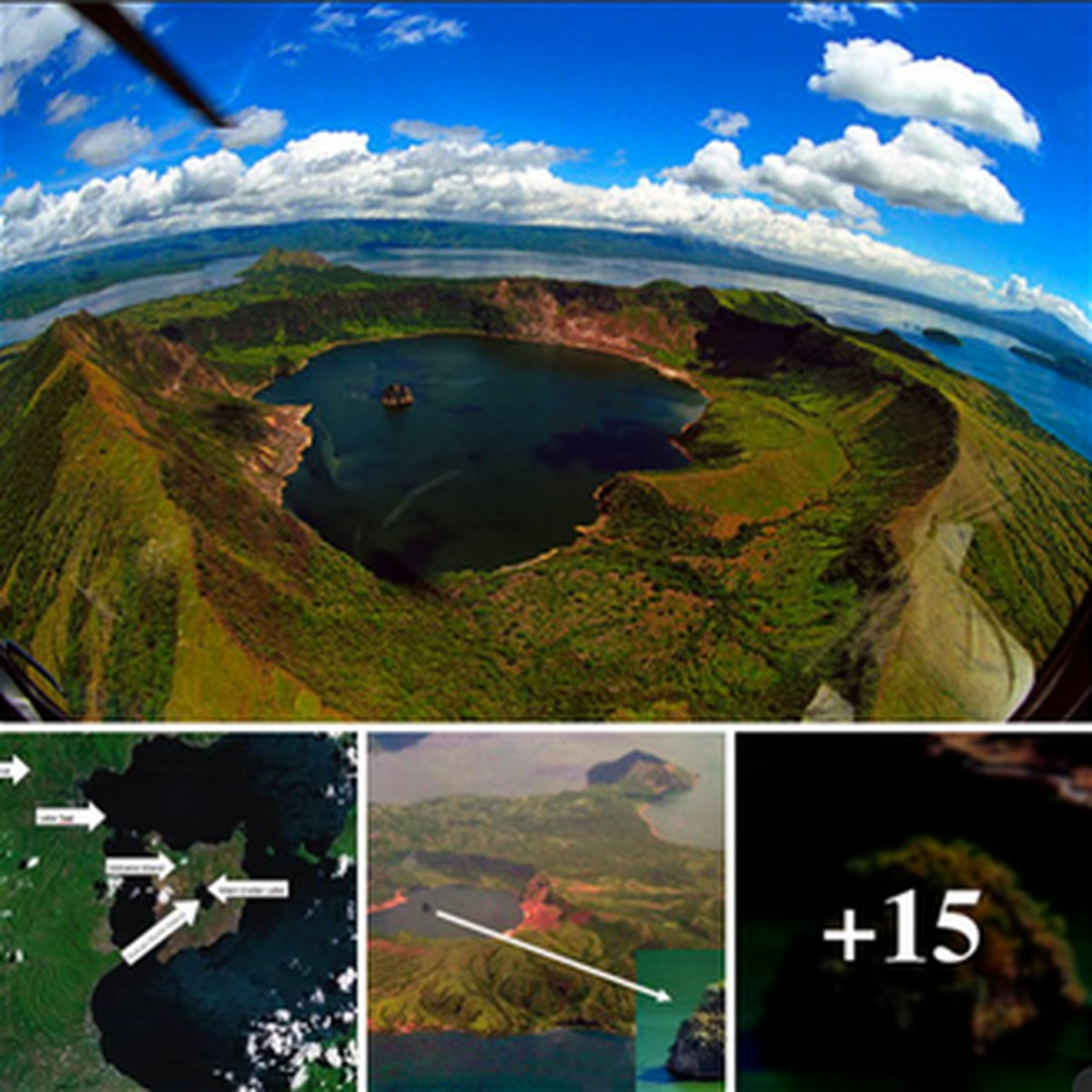
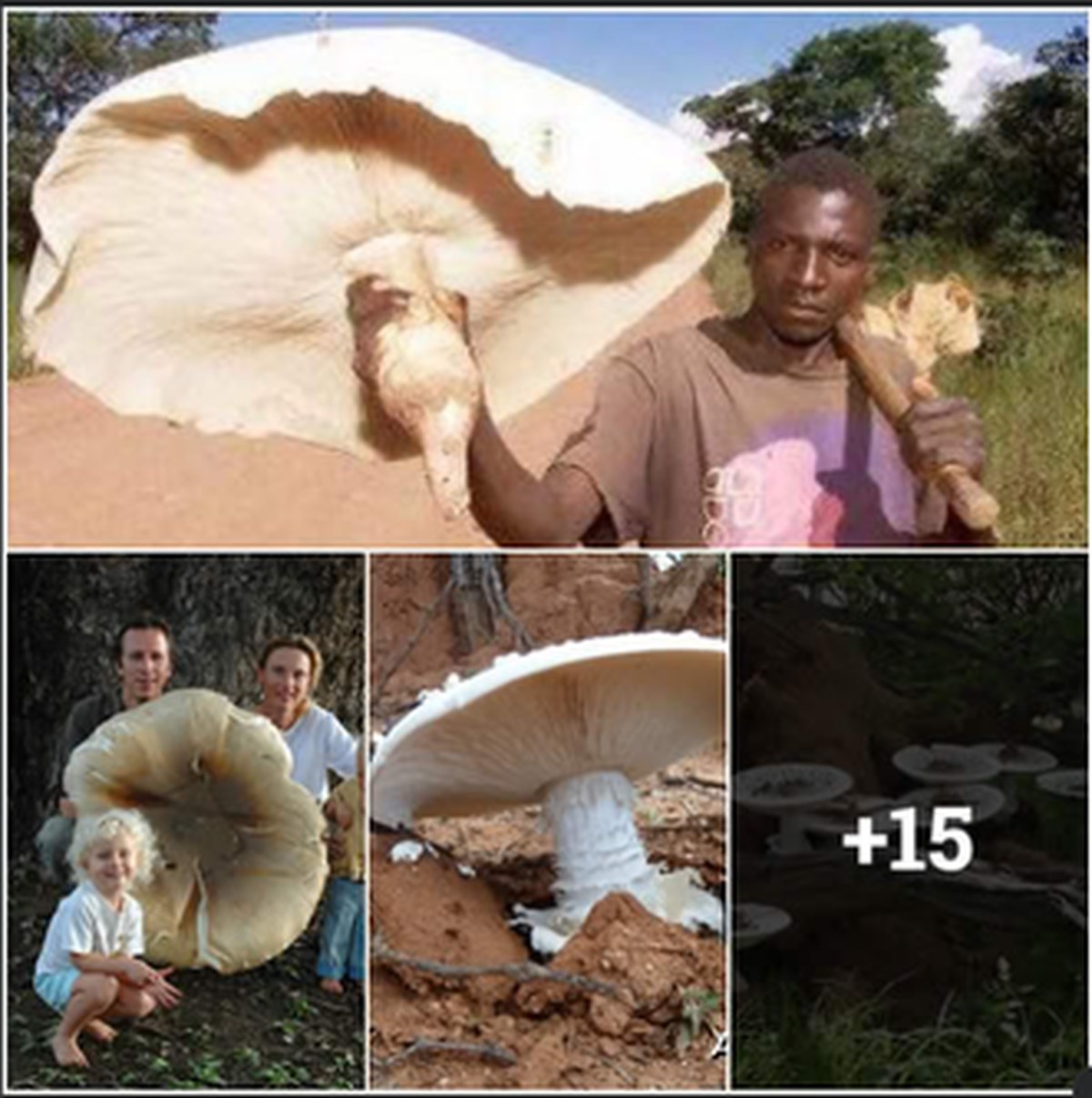
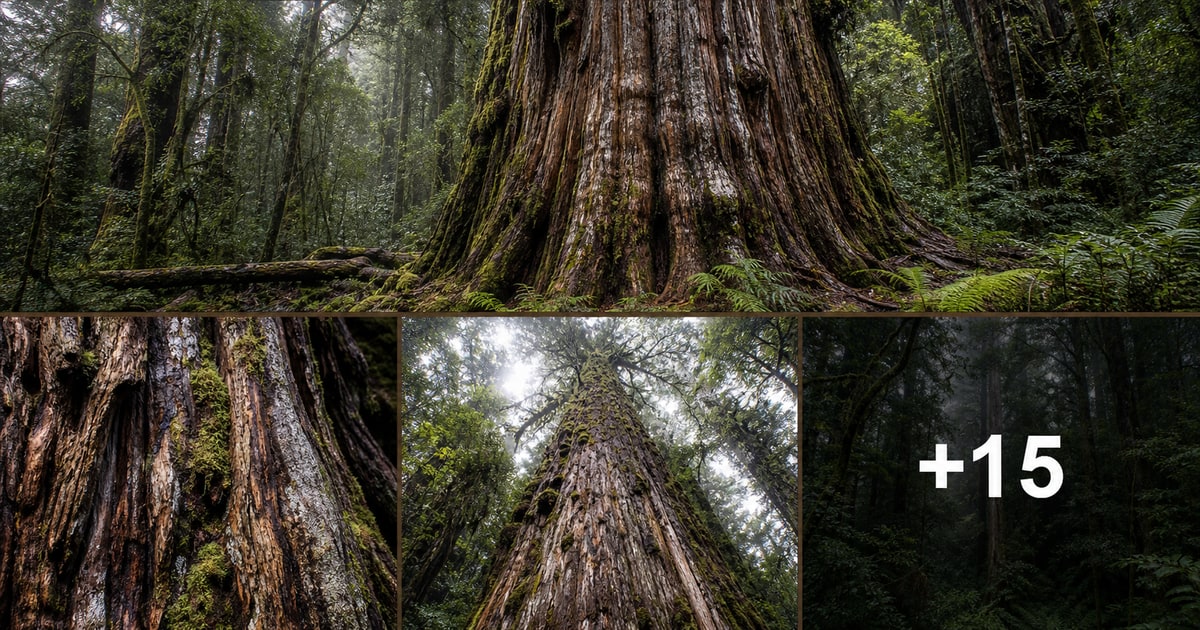
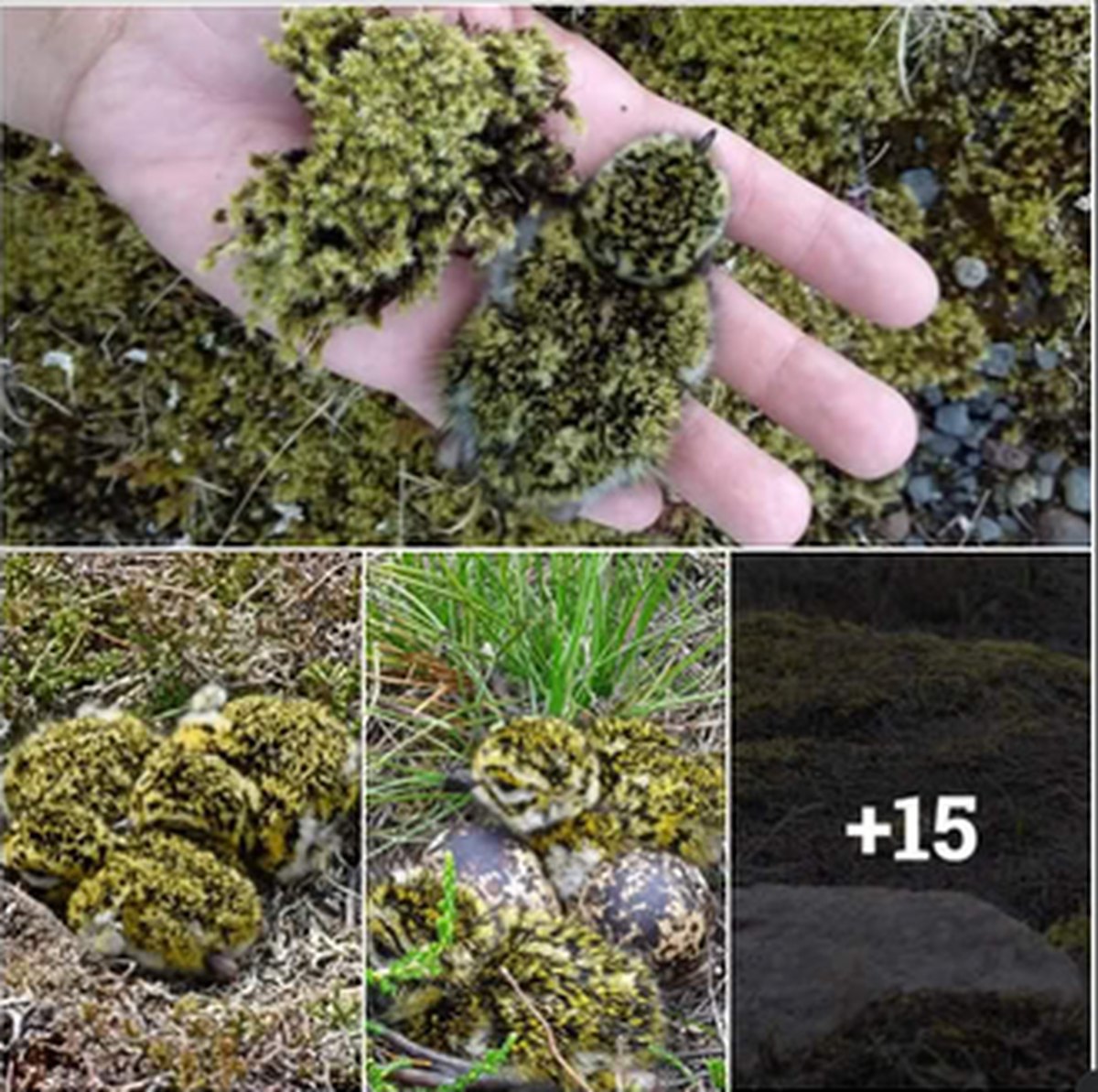
The lead image works because it compresses several impossible-looking scenes into one visual idea: cloud formations, glowing sky color, unusual terrain, ancient plants, and living things that look almost staged.
These images travel because they feel supernatural at first glance, but most have a physical explanation. Lenticular clouds can form when moist air flows over mountains in stable layers.
Auroras appear when charged particles interact with gases high in Earth’s atmosphere.
Colorful landforms can come from mineral-rich rock layers, erosion, and weathering. The exact location matters, but the visual hook is always the same: Earth sometimes looks edited even when it is not.
The striking lead image now has the missing context.
More images to inspect
The real pleasure of a visual nature roundup is moving from one strange-looking subject to the next and asking what made it possible.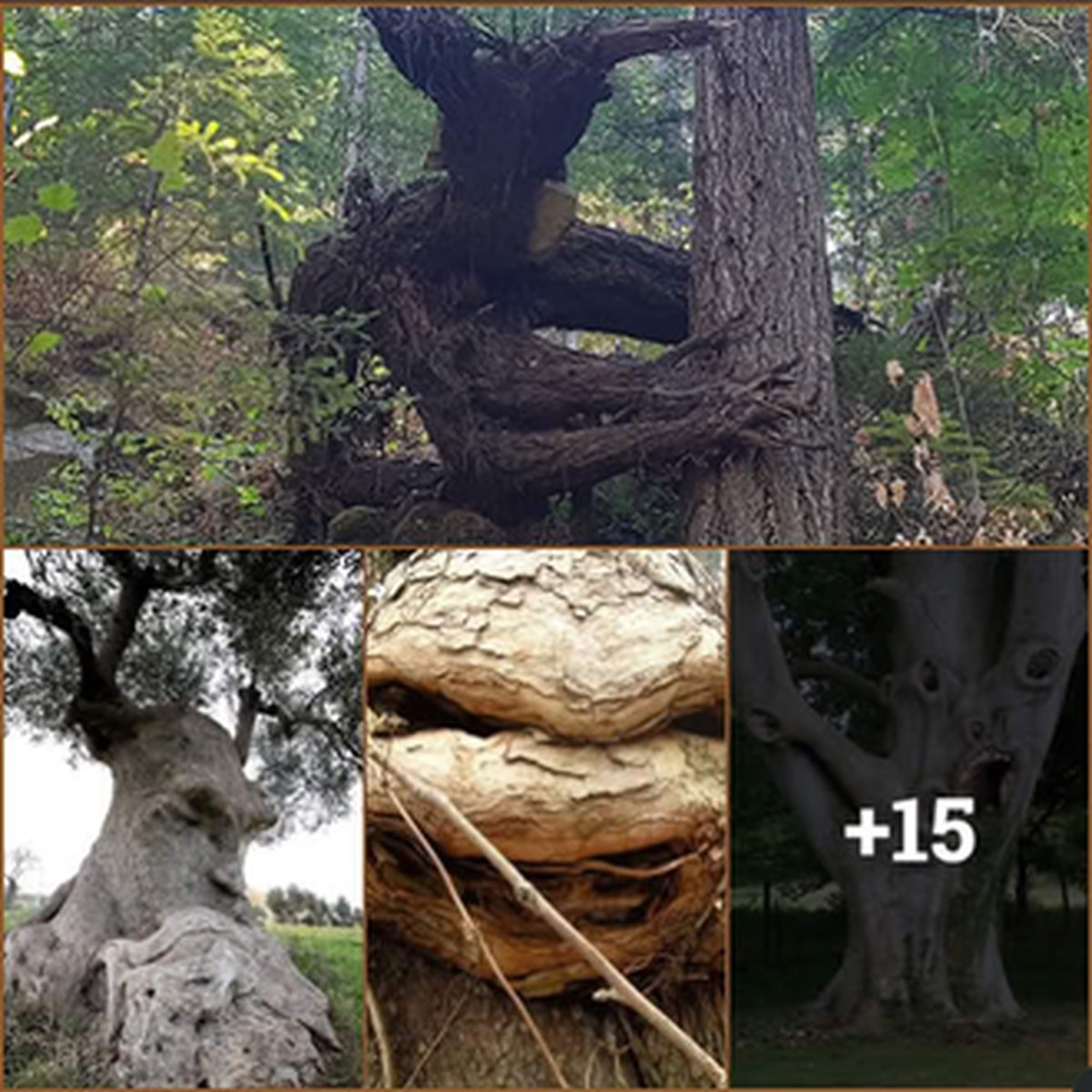
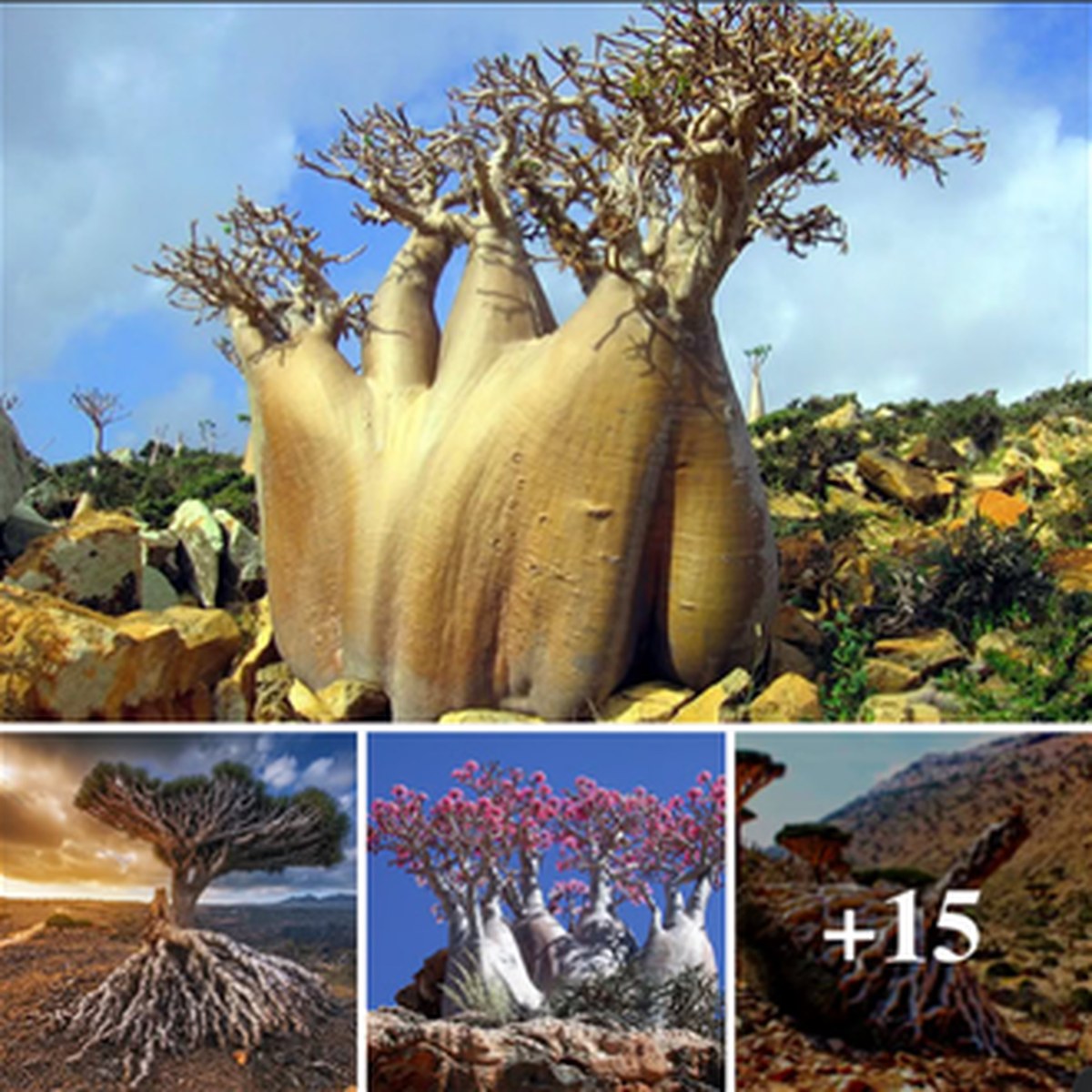

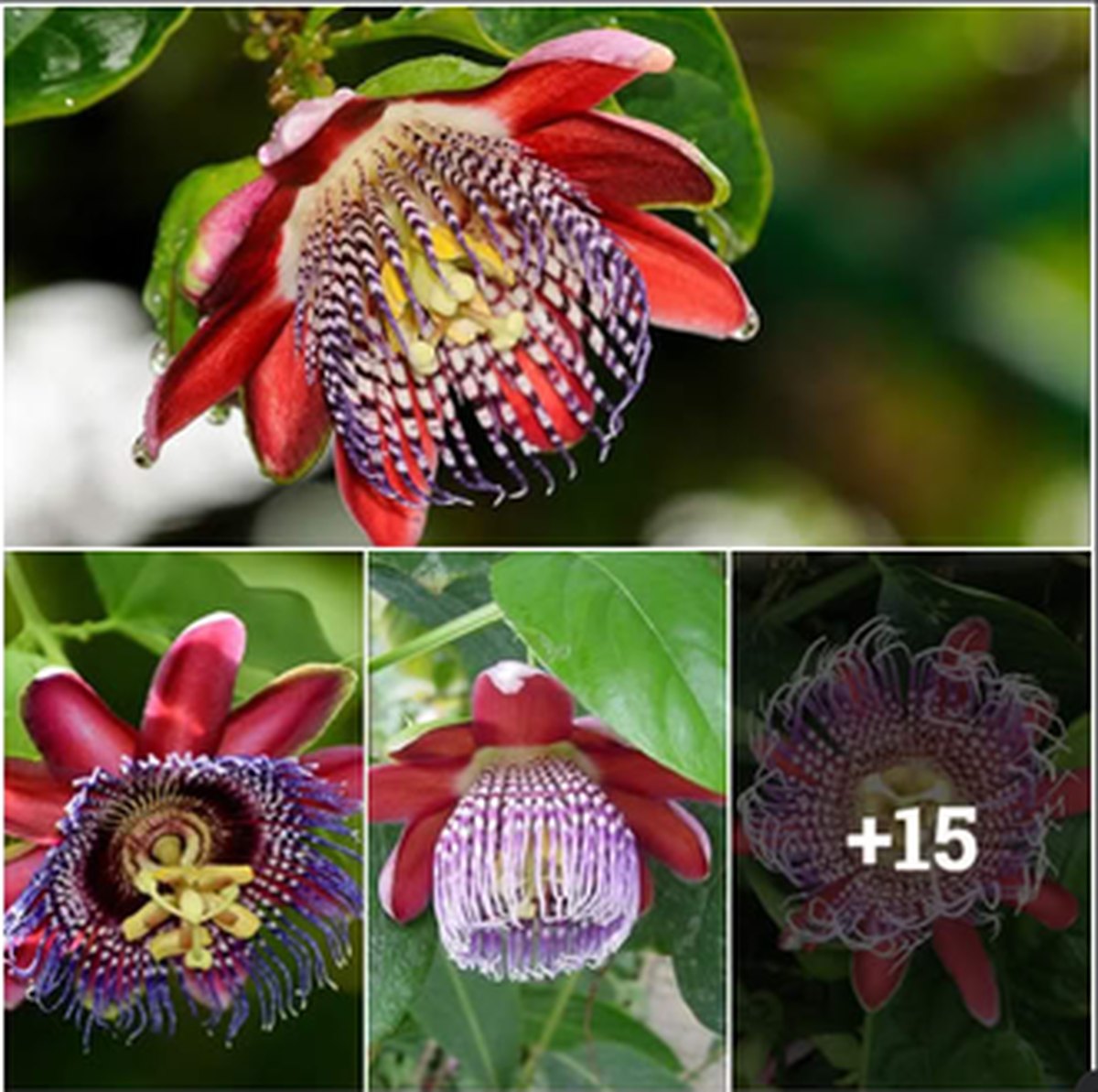
Why this story matters
22 Rare Natural Phenomena That Occur on Earth spread because it is easy to understand at a glance, but the better reason to keep reading is what it reveals about nature, scale, and attention. A striking image can open the door; the useful part is learning what is known, what is uncertain, and why the subject deserves care.
Stories like this work best when wonder and accuracy stay together. The visual surprise should lead toward context, not away from it.
What to know before sharing
Viral nature posts often compress complex science into a single line. The safest way to share them is to keep the striking image, but add the names, places, and caveats that make the story useful rather than just surprising.