Quick answer: A visual nature note about ancient olive trees in Puglia and why Mediterranean trees become living monuments.
The image is strange enough to stop the scroll. The real story is more useful than the quick caption.
Here is what the picture shows, why it travels, and what to check before sharing it.
Why people clicked
People responded because the story is instantly legible: one visual surprise, one simple claim, and enough curiosity to make people open the link.
But the click is only the start. A good nature story should answer the question the image creates without flattening the subject into a one-line claim.
What the story is about
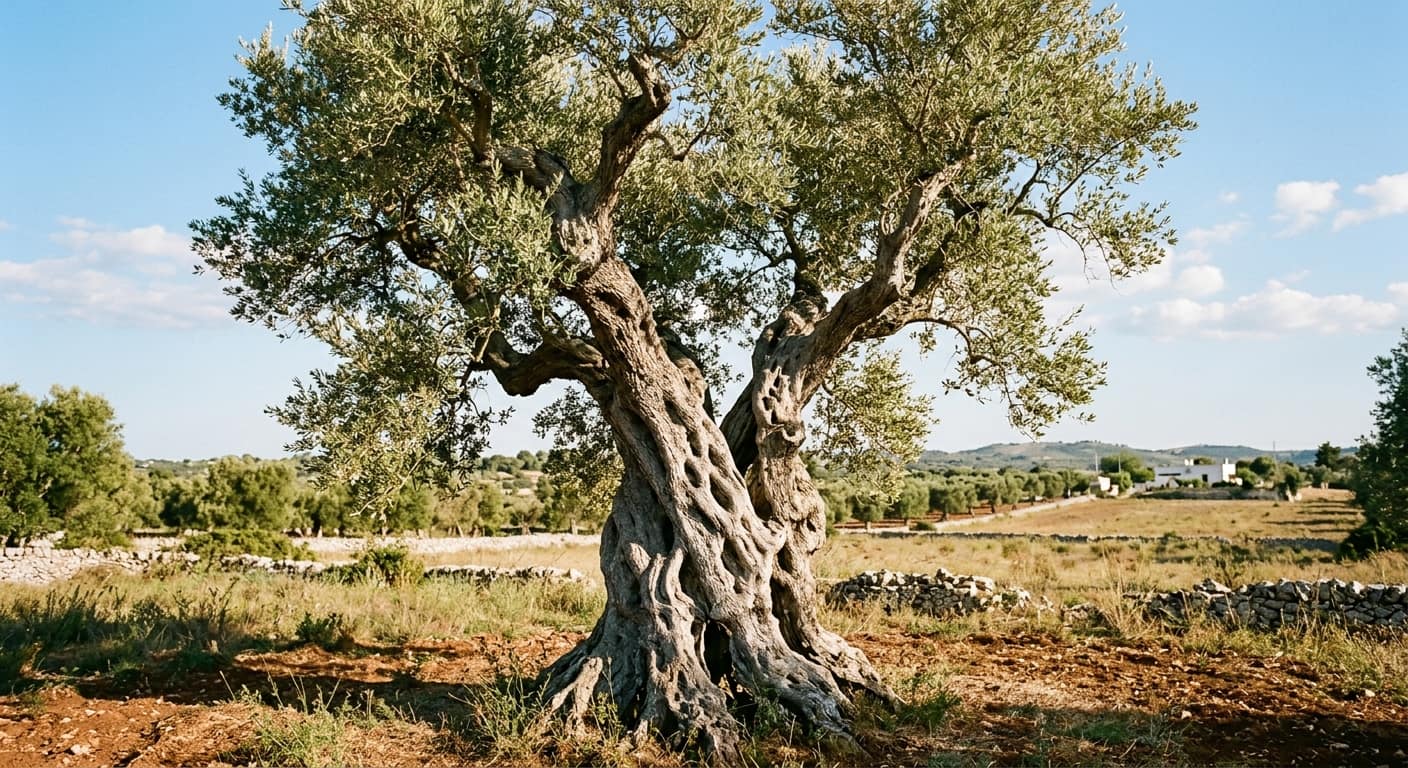
Puglia’s ancient olive trees are not just agricultural plants. They are living architecture: huge, twisted trunks shaped by weather, pruning, drought, and centuries of human care.
The viral social version centered on an olive tree described as more than 1,500 years old. That kind of age claim is powerful because it turns a familiar tree into a visible timeline.
Southern Italy’s old olive groves are famous for this feeling. The trees stand low and muscular, with hollowed trunks and silver leaves, often still producing fruit long after the original heartwood has changed shape.
The reason people shared the earlier page is simple: it makes endurance visible. One tree can carry the feeling of farms, families, climate, and Mediterranean history in a single image.
Why this story matters
An Ancient Olive Tree in Puglia, Italy, Over 1,500 Years Old spread because it is easy to understand at a glance, but the better reason to keep reading is what it reveals about nature, scale, and attention. A striking image can open the door; the useful part is learning what is known, what is uncertain, and why the subject deserves care.
Stories like this work best when wonder and accuracy stay together. The visual surprise should lead toward context, not away from it.
What to know before sharing
Viral nature posts often compress complex science into a single line. The safest way to share them is to keep the striking image, but add the names, places, and caveats that make the story useful rather than just surprising.