Quick answer: A visual nature story about Saturniidae moth caterpillars, their strange colors, and the visual drama of metamorphosis.
The image is strange enough to stop the scroll. The real story is more useful than the quick caption.
Here is what the picture shows, why it travels, and what to check before sharing it.
Why people clicked
People responded because the story is instantly legible: one visual surprise, one simple claim, and enough curiosity to make people open the link.
But the click is only the start. A good nature story should answer the question the image creates without flattening the subject into a one-line claim.
What the story is about
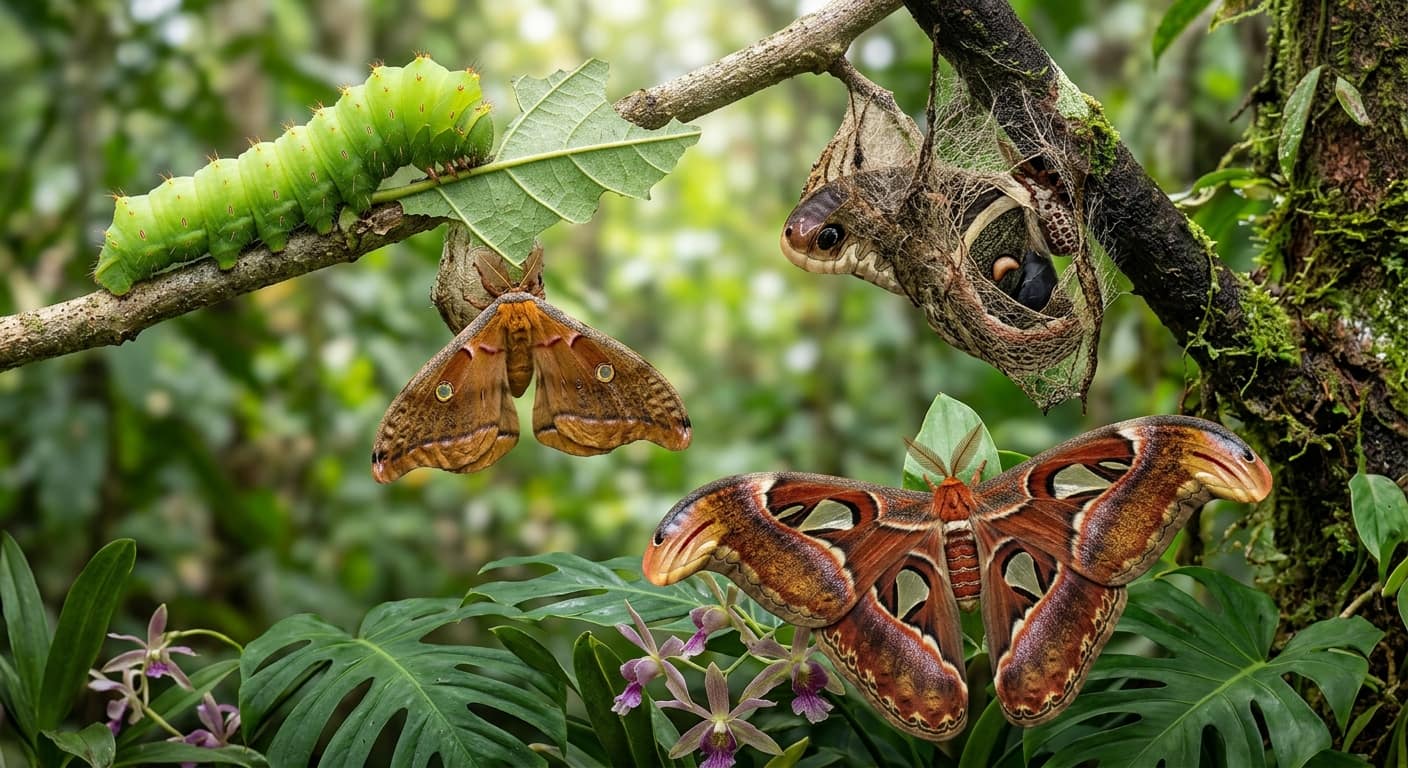
The Saturniidae family includes some of the most visually dramatic moths and caterpillars in the natural world. The lead image was built around the caterpillar stage, where color, spines, hairs, and strange body shapes can look almost unreal.
That visual shock explains why the post traveled. A caterpillar is usually easy to overlook, but saturniid larvae often look like tiny festival costumes, warning signs, or living sculptures.
Many saturniid caterpillars are large and fleshy. Some have bristles or urticating hairs, so the safest rule is simple: admire them, photograph them, but do not handle unfamiliar caterpillars.
The hidden story is metamorphosis. The bright larva eventually becomes a silk moth, often short-lived as an adult, with its energy focused on reproduction rather than feeding.
Why this story matters
Breathtaking Metamorphosis: The Saturniidae Moths spread because it is easy to understand at a glance, but the better reason to keep reading is what it reveals about nature, scale, and attention. A striking image can open the door; the useful part is learning what is known, what is uncertain, and why the subject deserves care.
Stories like this work best when wonder and accuracy stay together. The visual surprise should lead toward context, not away from it.
What to know before sharing
Viral nature posts often compress complex science into a single line. The safest way to share them is to keep the striking image, but add the names, places, and caveats that make the story useful rather than just surprising.