Quick answer: A visual nature note about Passiflora alata, an Amazonian vine known for its dramatic red flower and winged stems.
The image is strange enough to stop the scroll. The real story is more useful than the quick caption.
Here is what the picture shows, why it travels, and what to check before sharing it.
Why people clicked
People responded because the story is instantly legible: one visual surprise, one simple claim, and enough curiosity to make people open the link.
But the click is only the start. A good nature story should answer the question the image creates without flattening the subject into a one-line claim.
What the story is about
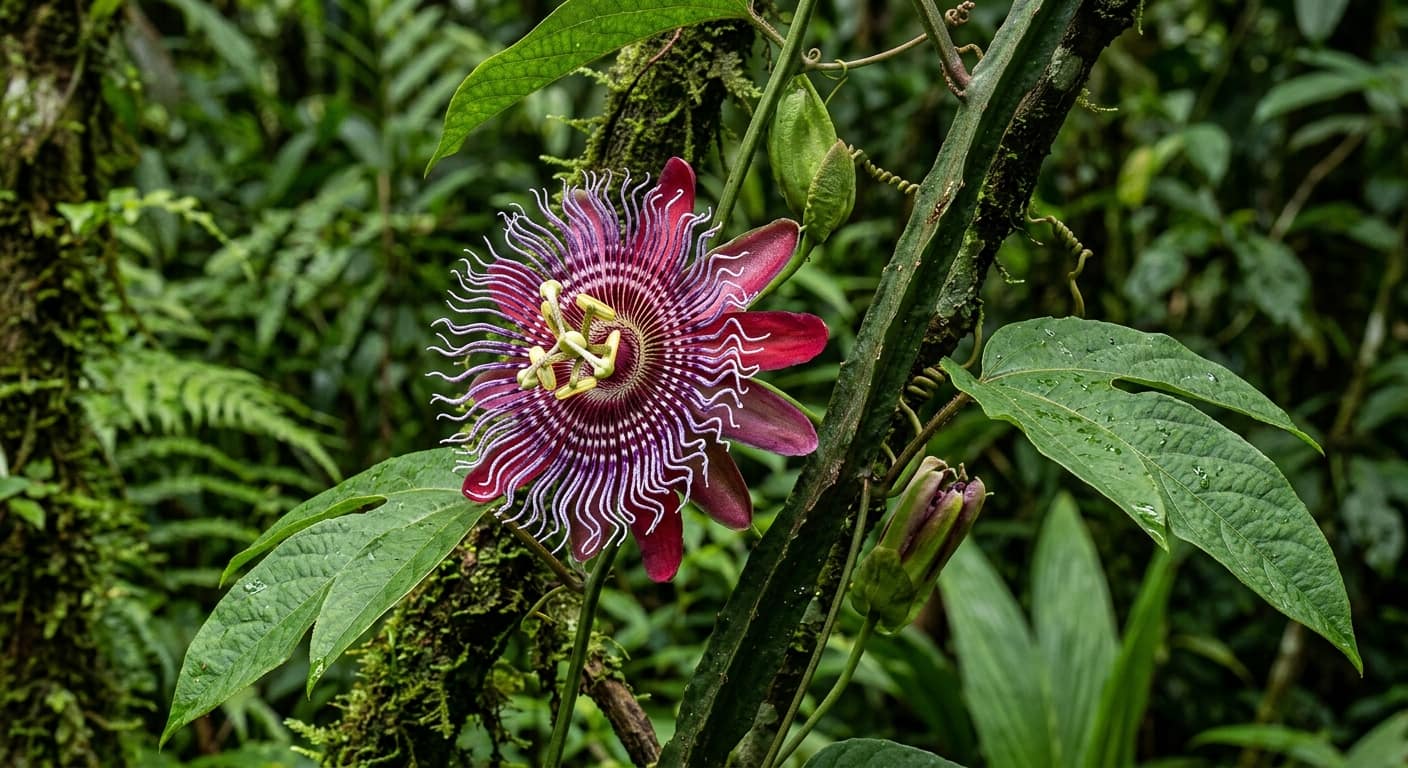
Passiflora alata is one of those flowers that stops people mid-scroll. The bloom looks almost designed for attention: red petals, a striped corona, and a sculptural center that makes the plant feel more like living art than a garden vine.
The species is native to the Amazon region, from Peru to eastern Brazil. It is an evergreen climber that can grow several meters long when conditions are warm, humid, and bright.
The viral hook is easy to understand. Most flowers are pretty; this one looks engineered.
Its common name, winged-stem passion flower, comes from the ridges along the stems, while its dramatic bloom explains why old social shares kept moving long after the original page disappeared.
The topic stays alive with the story behind the image.
Why this story matters
Passiflora alata, the Winged-Stem Passion Flower spread because it is easy to understand at a glance, but the better reason to keep reading is what it reveals about nature, scale, and attention. A striking image can open the door; the useful part is learning what is known, what is uncertain, and why the subject deserves care.
Stories like this work best when wonder and accuracy stay together. The visual surprise should lead toward context, not away from it.
What to know before sharing
Viral nature posts often compress complex science into a single line. The safest way to share them is to keep the striking image, but add the names, places, and caveats that make the story useful rather than just surprising.