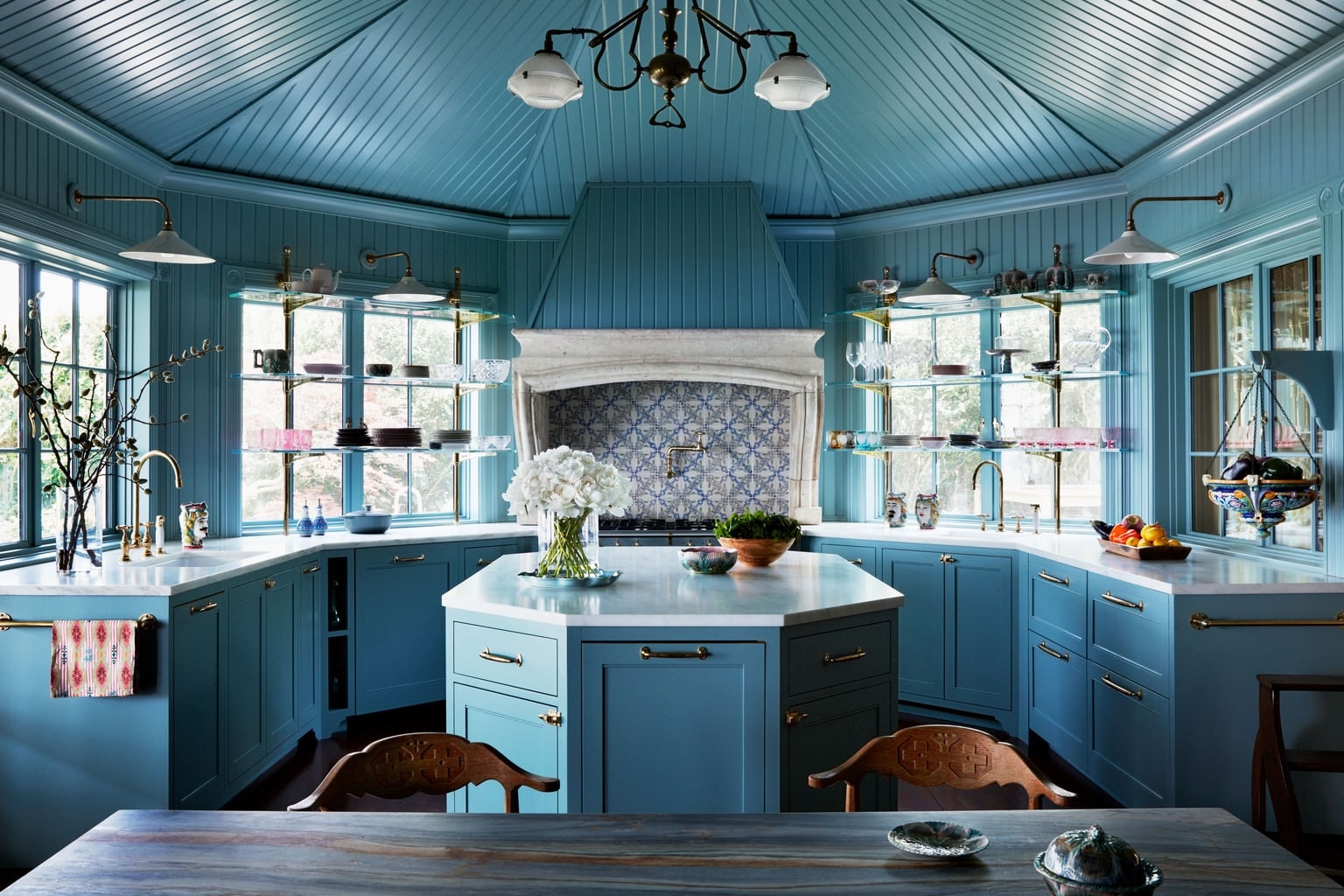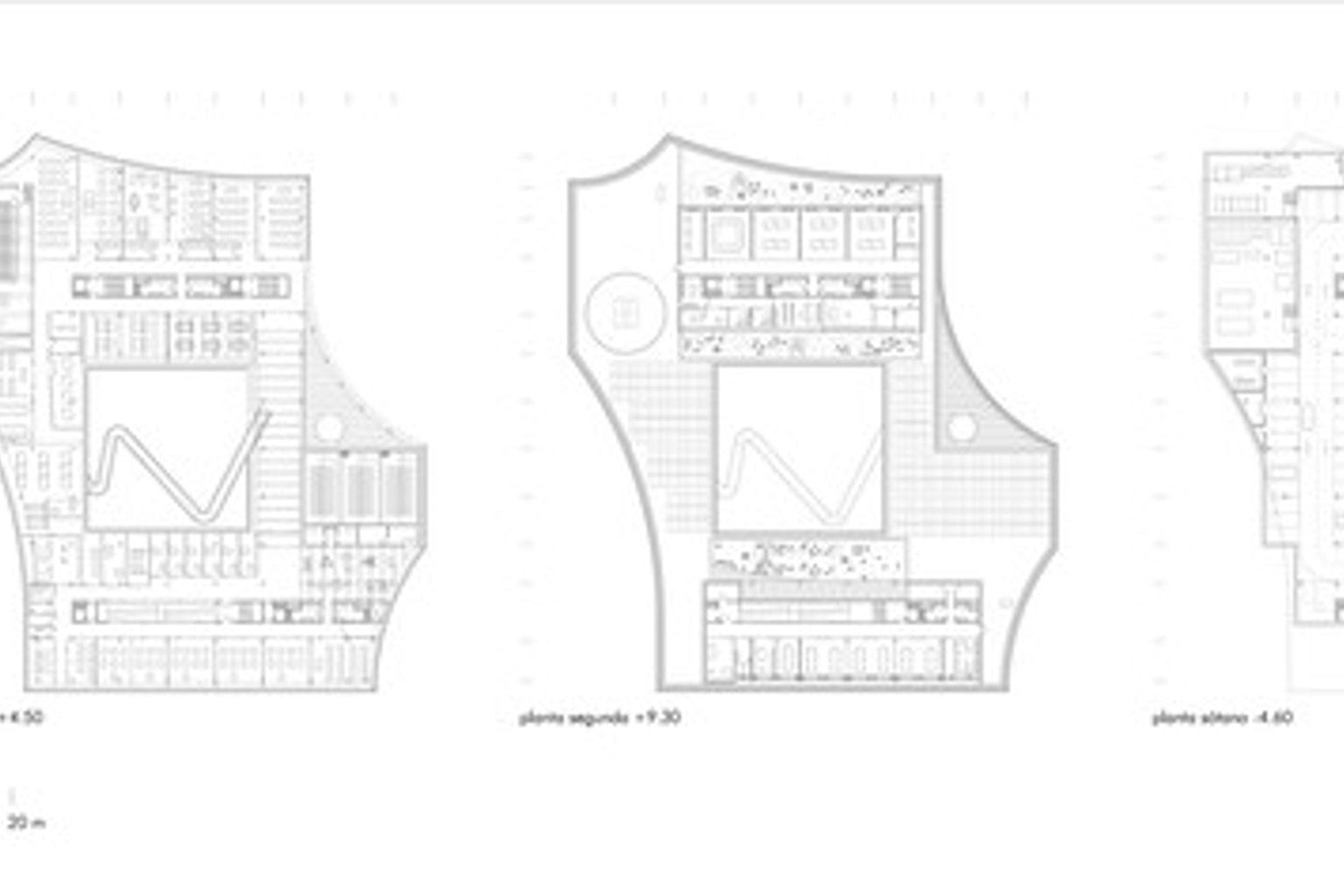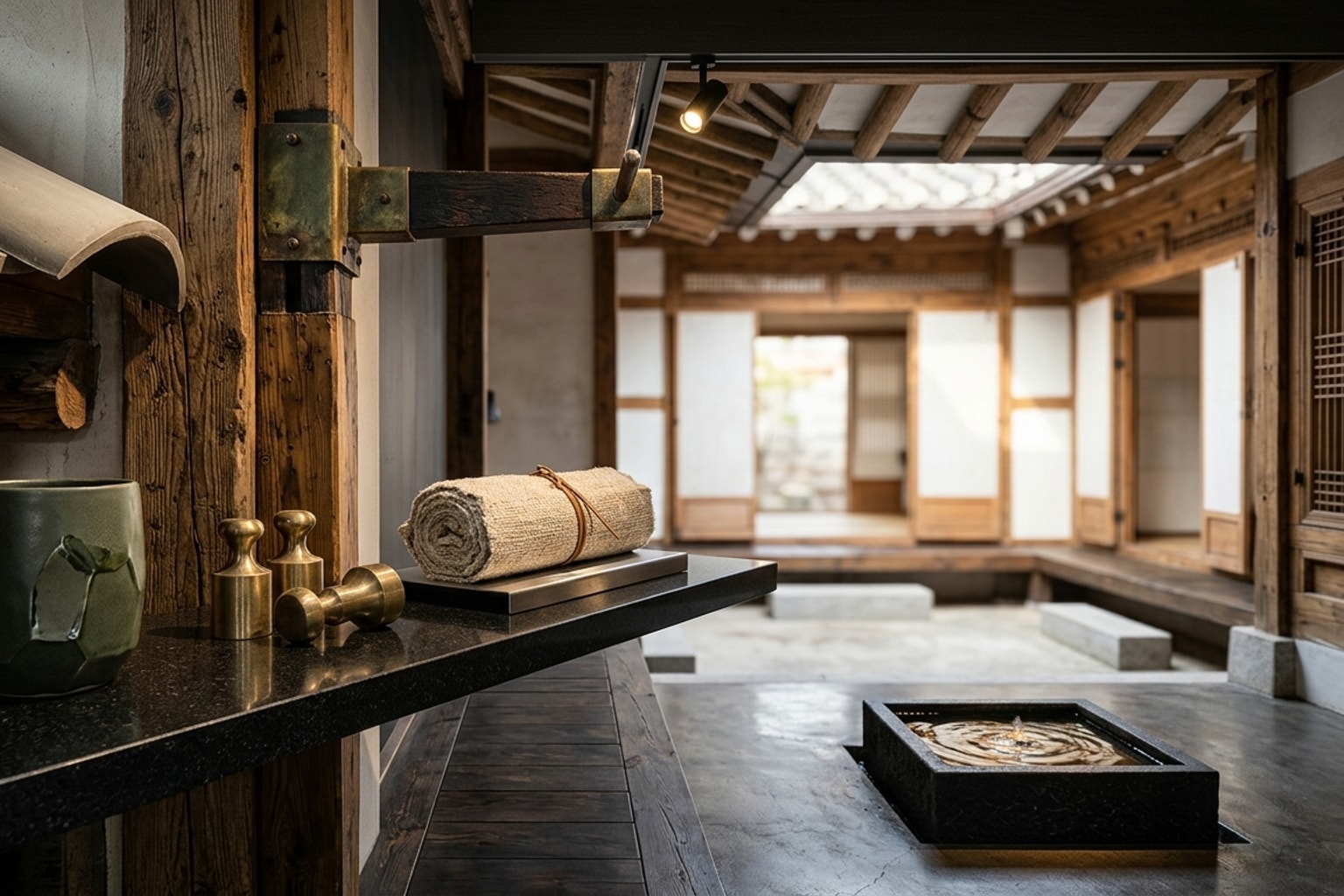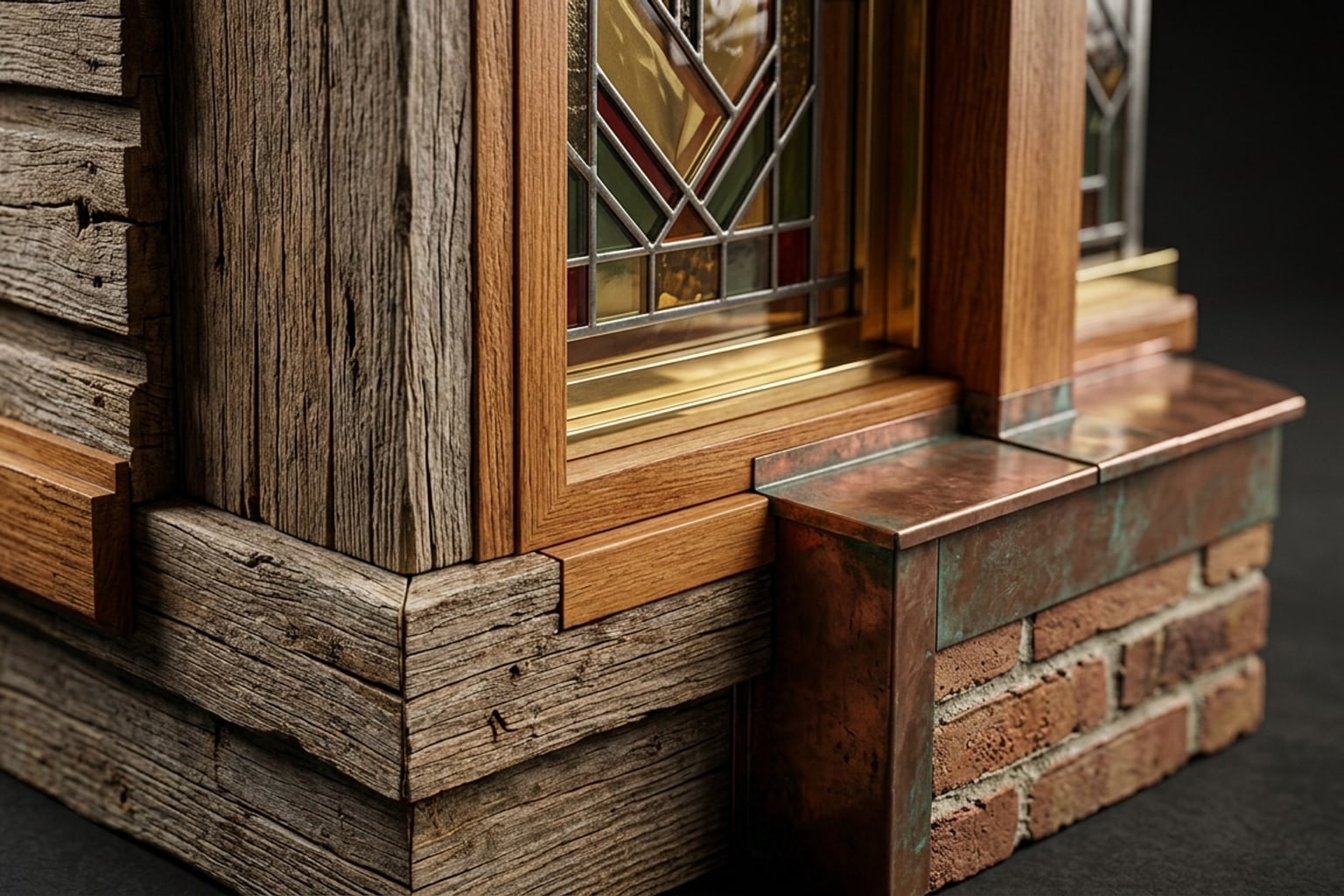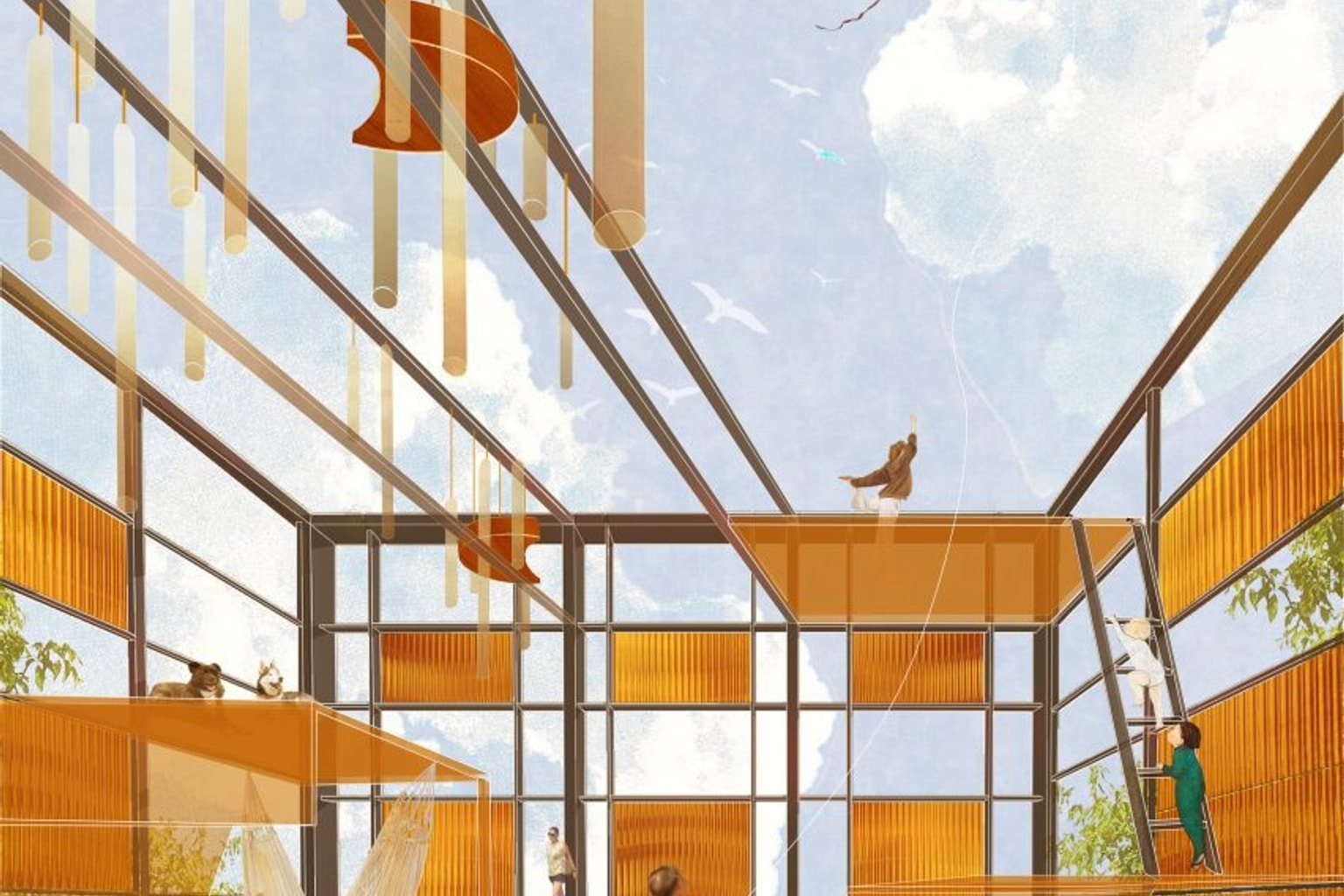
Design students at the Virginia Commonwealth University School of the Arts in Qatar are presenting new architectural concepts. The projects include a shared community space built for both humans and local wildlife.
Why it matters
The design publication Dezeen recently highlighted these concepts. The showcase is part of an ongoing series featuring student work from global universities.
This exhibition puts a spotlight on emerging designers entering the industry. Student portfolios often signal shifting priorities in commercial and public architecture.
This year, the focus leans heavily toward ecological integration. The concepts show a push against sterile, human-only urban planning.
Young architects are increasingly tasked with solving complex environmental problems. Their academic projects reflect a strong desire to merge natural ecosystems with daily urban life.
Climate change is forcing a reevaluation of how cities are built. Student work often acts as a testing ground for radical ideas that established firms consider too risky.
Universities frequently use these public showcases to attract new talent. They also serve as a networking tool, connecting graduating students with established architecture firms.
The catch
The featured projects originate from the Qatar campus of Virginia Commonwealth University. Students developed these ideas to address specific community and environmental gaps.
One standout design proposes a community space that explicitly welcomes local fauna. It attempts to blur the line between urban infrastructure and natural habitats.
Many modern cities struggle with the loss of biodiversity due to rapid expansion. Projects like the nature-informed space attempt to reverse this trend through deliberate design choices.
The goal is to foster coexistence rather than displacing animals for human comfort. This requires careful consideration of local climate and native species.
Another major project is a wellness center. This facility is designed specifically for female collegiate athletes.
It addresses a growing global demand for sports recovery spaces tailored to women. The design factors in privacy, specialized training needs, and community building.
A third concept involves a modernized brewery space. The student updated traditional beverage production layouts for contemporary use.
These designs remain purely conceptual for now. They serve as academic exercises rather than immediate construction plans.
Still, they reflect the core curriculum’s emphasis on modern social issues. The university encourages students to design with empathy and ecological awareness.
Sharing these academic concepts helps track where the design industry might head next as these graduates enter the workforce. The ideas often trickle down into real-world civic planning.
The focus on both wildlife and specialized human demographics shows a departure from one-size-fits-all architecture. Designers are looking for niche solutions to broad global challenges.
What to verify
Check if local software teams in Qatar plan to adopt any of these student concepts. Academic projects sometimes evolve into funded civic pilot programs.
Look for details on the specific wildlife species targeted by the nature-informed community space. The practical application depends entirely on local regional ecology.
Monitor the career paths of the featured students. It will be useful to see if they successfully pitch these structures to future employers.
Review the university’s future showcase events. This will confirm if ecological themes remain a permanent fixture in the curriculum.
Investigate the broader design industry response to specialized female athletic facilities. Funding for such projects is often a hurdle in professional development.
Source trail
VCUarts Qatar students are pitching buildings that serve more than just the general public. Their designs target highly specific needs, from local wildlife to female athletes.
The concepts highlight a broader industry trend toward inclusive, environment-first architecture. While now unbuilt, these portfolios offer a preview of tomorrow’s urban planning priorities.
Details on the student projects originate from a recent showcase published by Dezeen. The feature highlights the Virginia Commonwealth University School of the Arts in Qatar.