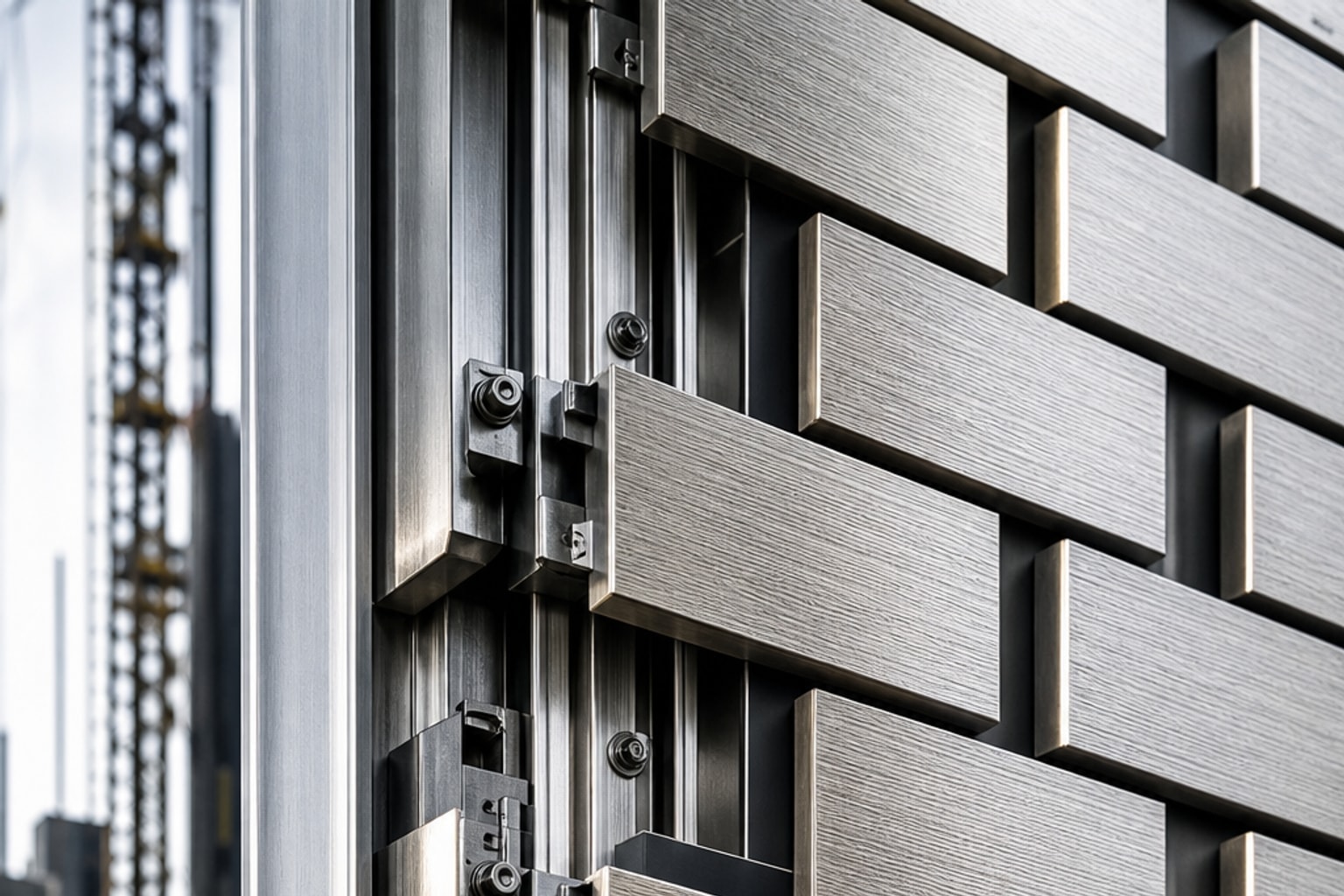
Russian architecture studio Meganom is wrapping a new Manhattan skyscraper in metal. The firm designed a custom facade for 262 Fifth Avenue using more than 200,000 laser-cut aluminum bricks.
The in-progress tower trades traditional glass for a textured metallic skin.
What happened
Construction continues on the 262 Fifth Avenue skyscraper in New York City. The structure features an unusual exterior design developed by Meganom.
The Russian architecture studio created a highly specialized facade system for the tower. Builders are currently installing large panels covered in rows of custom metal pieces.
The project utilizes more than 200,000 individual aluminum elements. Each piece is precisely laser-cut to resemble a traditional building brick.
These aluminum bricks attach to modular backing panels off-site. Construction crews then hoist and mount these completed panels to the exterior framework of the skyscraper.
The metal elements dominate the visual profile of the new building. The design creates a highly textured surface rather than a conventional smooth glass curtain wall.
This approach requires mass manufacturing of precise metal components. The digital laser-cutting process ensures each of the 200,000 pieces fits exactly into the designated panel grid.
Why it matters
Manhattan skyscrapers typically rely on massive glass panels or traditional stone masonry. Meganom chose a distinctly different path for the 262 Fifth Avenue project.
Using aluminum bricks fundamentally changes how the building interacts with natural light. The textured metal surface will reflect the surrounding city differently than a flat glass mirror.
The project highlights a subtle shift in modern high-rise construction techniques. Architects are experimenting with custom metal fabrication to break up uniform urban skylines.
Advanced laser-cutting technology makes this massive scale of customization possible. Producing 200,000 identical metal bricks would have been highly cost-prohibitive in previous decades.
Now, digital fabrication allows design studios to execute complex, repetitive facade systems efficiently. The aluminum pieces function visually like traditional bricks but weigh significantly less.
Lighter exterior materials reduce the overall structural load of the skyscraper. This allows builders to achieve distinct visual textures without the heavy weight of actual stone or clay.
The catch
Metal facades introduce specific engineering and maintenance challenges. Aluminum naturally expands and contracts with daily temperature changes.
A system built with 200,000 individual pieces means 200,000 potential points of thermal movement. The structural backing panels must account for this constant shifting over time.
Urban pollution also heavily affects textured metal surfaces. Dust, exhaust, and grime can easily settle in the narrow gaps between the aluminum rows.
Cleaning a highly textured skyscraper requires completely different maintenance strategies than washing flat glass windows. The long-term visual impact depends heavily on how well the raw aluminum resists urban weathering.
Furthermore, custom laser-cut parts complicate future building repairs. If a section of the facade sustains severe damage, replacement pieces must match the exact digital specifications of the original batch.
What to verify
The exact timeline for the building’s final completion remains unconfirmed in the initial project updates.
Engineers will need to monitor how the textured aluminum panels handle high winds at the upper levels of the tower.
The final weight of the aluminum system compared to a standard glass curtain wall requires official structural documentation.
Observers should track the exterior maintenance schedule once the building officially opens. The cleaning process for the textured metal will reveal the practical limits of the custom design.
The total financial cost of manufacturing and installing the 200,000 custom pieces is not yet public knowledge.
Source trail
The architectural details surfaced in a recent international design report. Architecture and design publication Dezeen outlined the specifics of the new facade system.
The report highlighted Meganom’s extensive use of laser-cut aluminum elements. It also noted the massive scale of the installation at the 262 Fifth Avenue site.
More information about the facade engineering is available through Dezeen’s coverage of the Manhattan skyscraper.
Additional context regarding the historical development of the surrounding corridor is available via records of Fifth Avenue architecture.