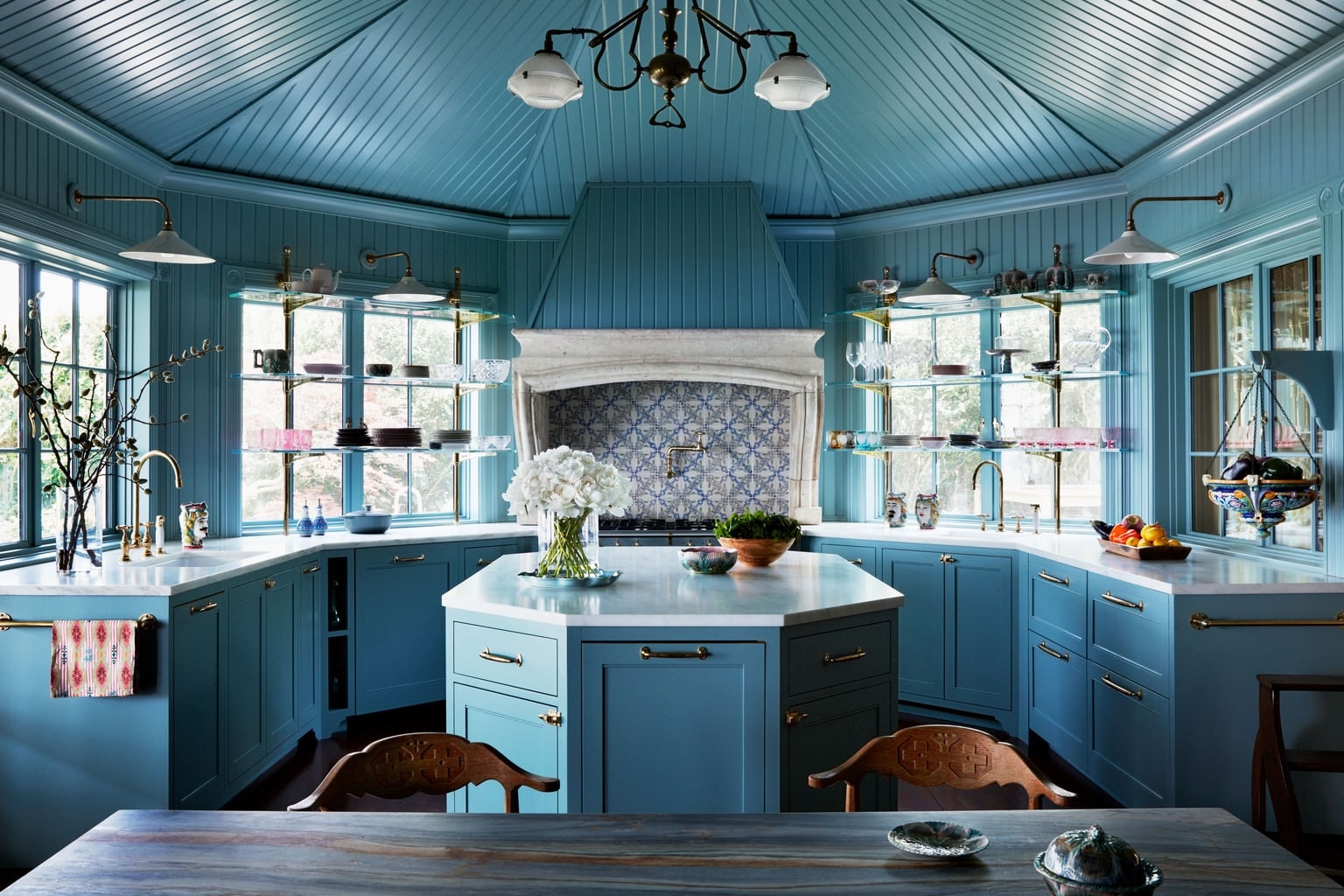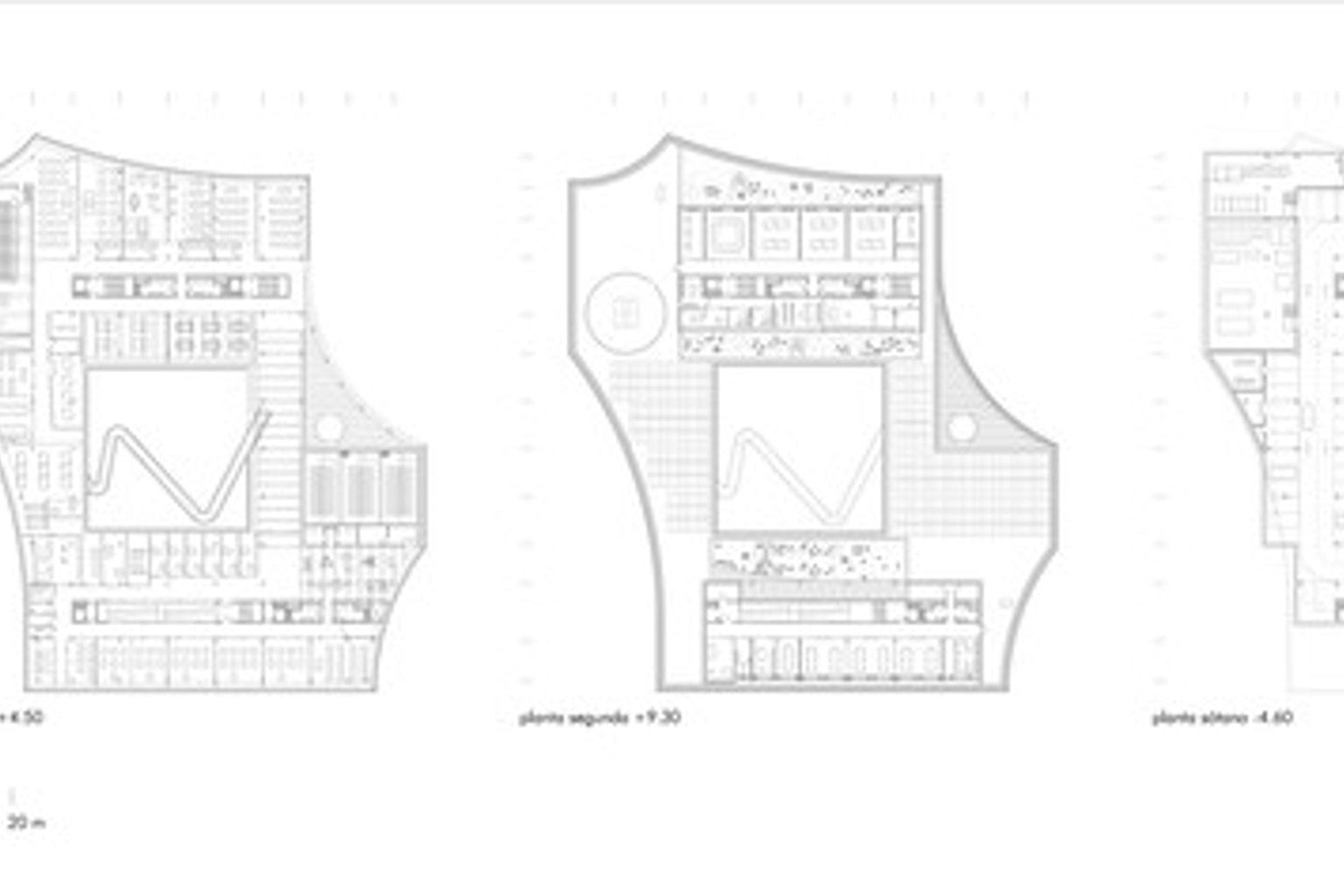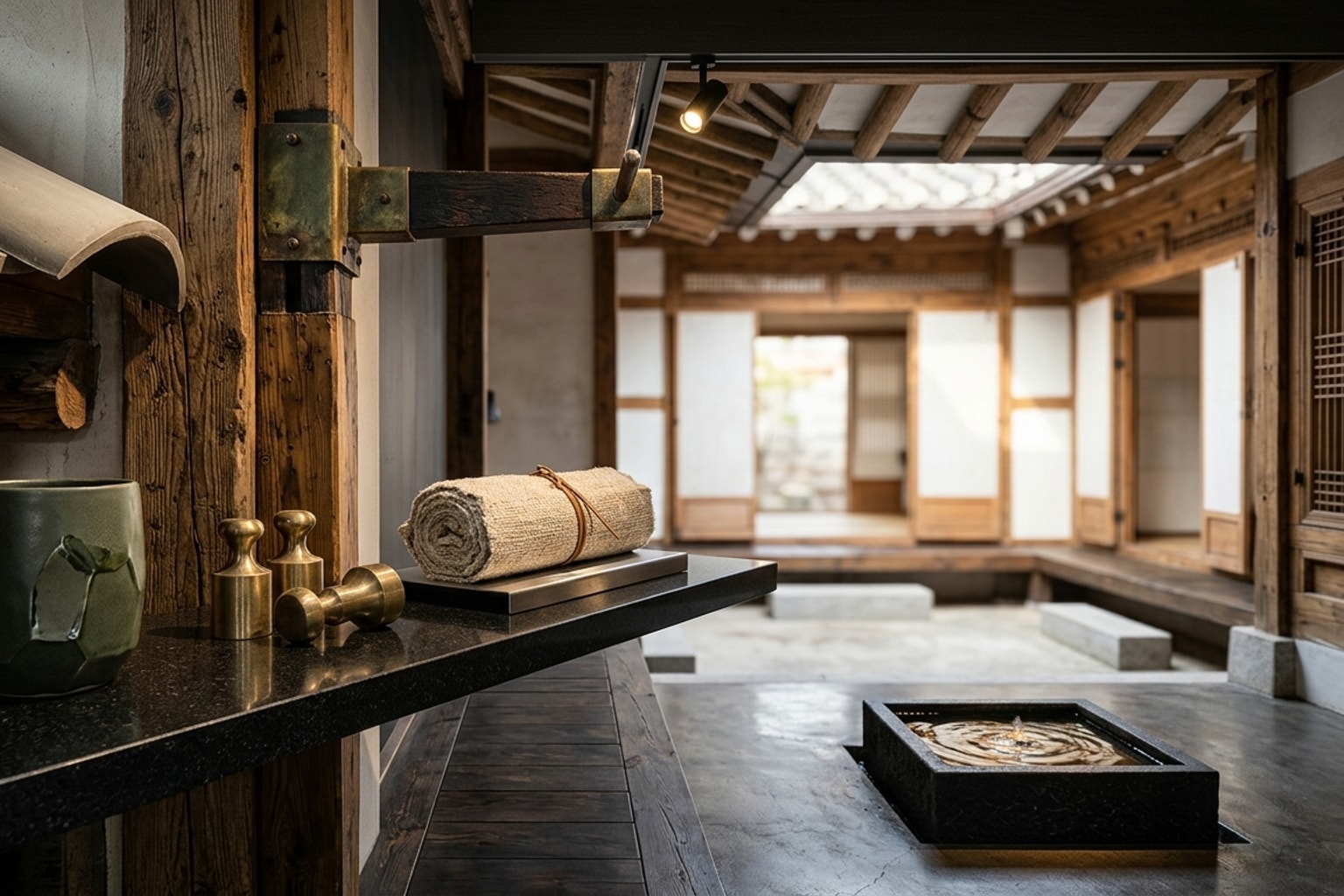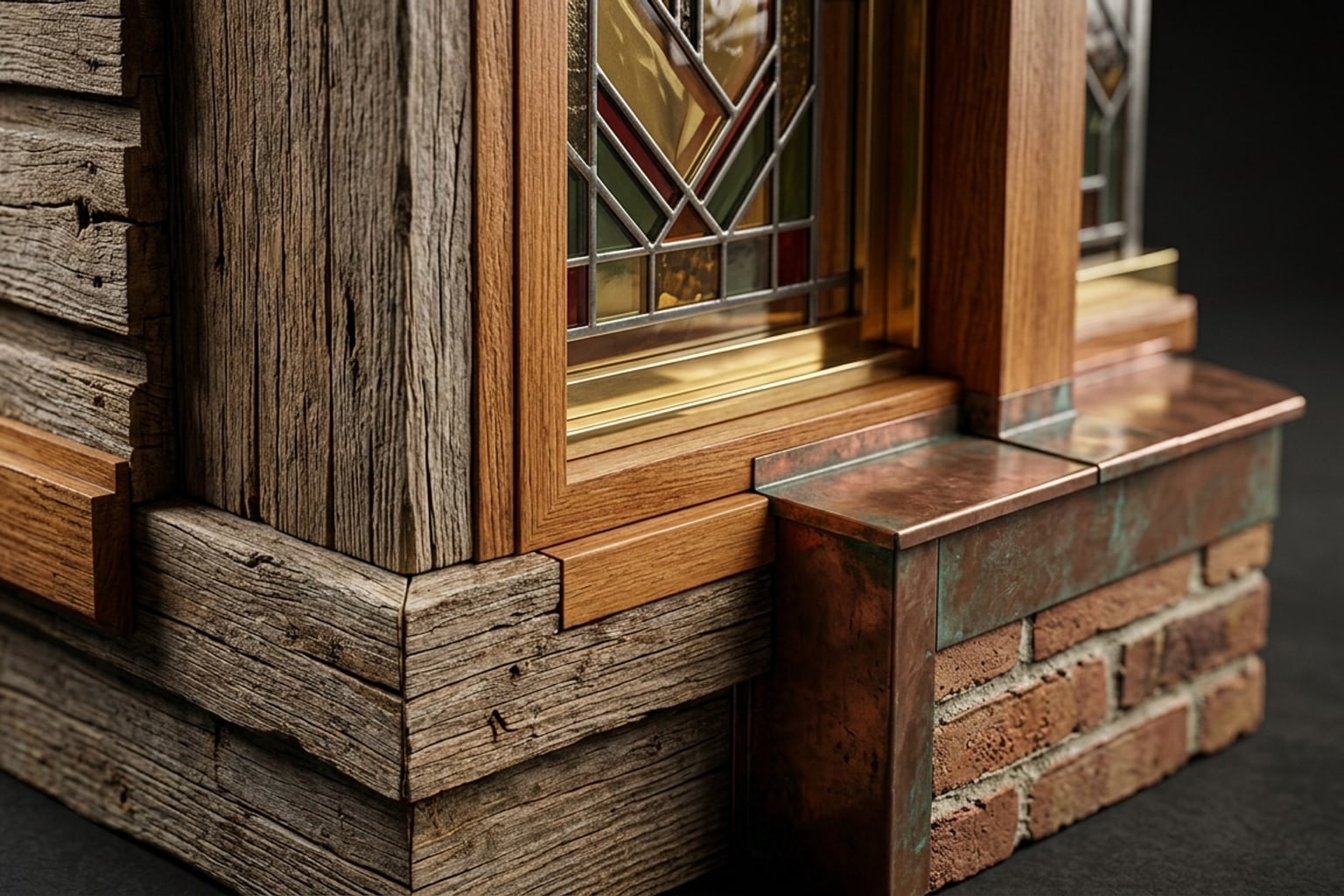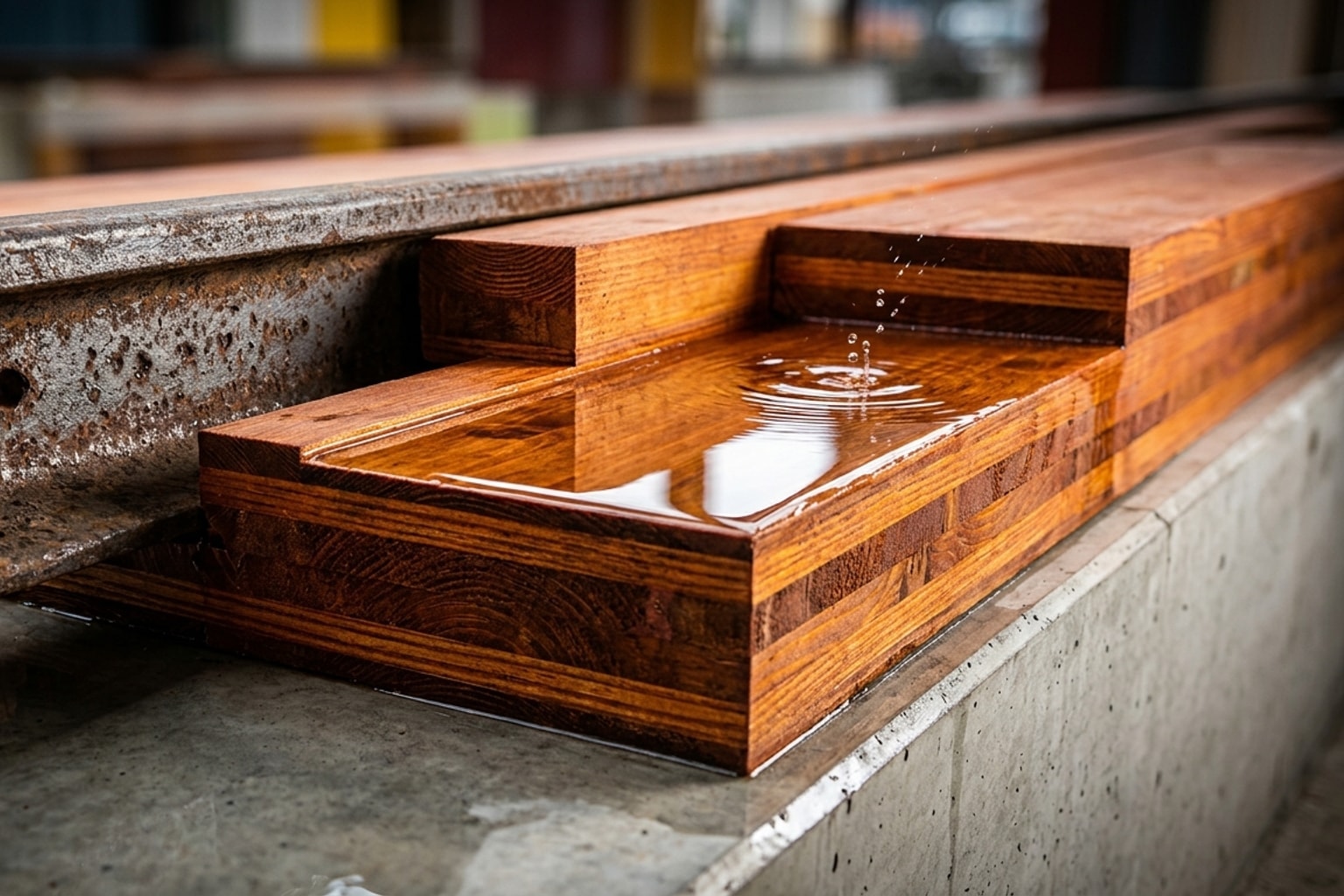
Architecture studio Hello Wood has opened Remise Rosa, a new dining and events complex in Zurich West. The 2,500-square-metre hub transforms a former Swiss railway freight yard into a colourful structure built from cross-laminated timber.
What happened
The project brings new commercial life to an abandoned railway site in Switzerland. Hello Wood designed the complex to operate as an indoor-outdoor cultural hub.
The development covers 2,500 square metres of an old freight yard. It centers around a colorful new structure officially named Remise Rosa.
Builders constructed the main complex using cross-laminated timber. This engineered wood offers high strength and structural stability.
The space will function primarily as a dining and events venue. The architectural design integrates open-air sections with enclosed wooden pavilions.
Hello Wood managed both the architectural design and the physical construction of the site. The firm positioned the project to serve the rapidly changing Zurich West neighborhood.
The design introduces bright colors to a traditionally gray industrial landscape. It relies on the natural warmth of timber to soften the harsh rail yard setting.
Why it matters
Zurich West has spent decades shifting from a heavy industrial zone into a modern cultural district. This project continues that long-term urban transition.
Using an abandoned freight yard prevents a large parcel of land from sitting empty. It brings foot traffic back to a neglected part of the city.
Building over existing hardscape avoids the heavy carbon cost of pouring massive new concrete foundations. It preserves the industrial memory of the site.
Cross-laminated timber is becoming a dominant material in modern European architecture. It allows for rapid, precise assembly on site using prefabricated panels.
Timber also sequesters carbon and weighs significantly less than traditional steel. This makes it ideal for building on older, sensitive industrial plots without requiring deep excavation.
Projects like Remise Rosa show how cities can reuse dead infrastructure. They turn fenced-off rail yards into active, accessible public spaces.
The catch
The initial project details leave several practical questions unanswered. The exact tenant list and the full schedule of upcoming events remain unclear.
An indoor-outdoor design faces distinct operational challenges in Switzerland. Zurich experiences freezing temperatures and heavy snow during the winter months.
Heating an indoor-outdoor timber structure can require high energy usage. Keeping the space comfortable year-round may offset some of the environmental benefits of the wood construction.
Cross-laminated timber requires careful weatherproofing. Colorful exterior wood finishes often fade quickly without strict, continuous maintenance.
The site sits directly on a former railway freight yard. Industrial land often carries hidden soil contamination that complicates long-term development.
What to verify
Investigators should check the specific source of the cross-laminated timber. Local Swiss wood carries a lower transportation carbon footprint than imported materials.
The full capacity of the 2,500-square-metre development needs independent confirmation. The exact mix of dining spaces versus open event halls is not yet public.
Urban planners should verify if the project is a temporary installation or a permanent fixture. Former rail yards often host pop-up structures before high-density residential redevelopment begins.
Reviewers should also check the local zoning permits. These documents will clarify the exact operating hours for the outdoor event spaces.
Source trail
The architectural details and project scope originated from a [report by Dezeen](https://www. dezeen.
com/2026/06/24/remise-rosa-hello-wood). Dezeen covered the completion of the Hello Wood project in late June 2026.
Further details on the specific building techniques can be found through the [Hello Wood studio portfolio](https://hellowood. eu/).
Additional context regarding the site’s industrial history and soil status rests with Zurich municipal planning records.