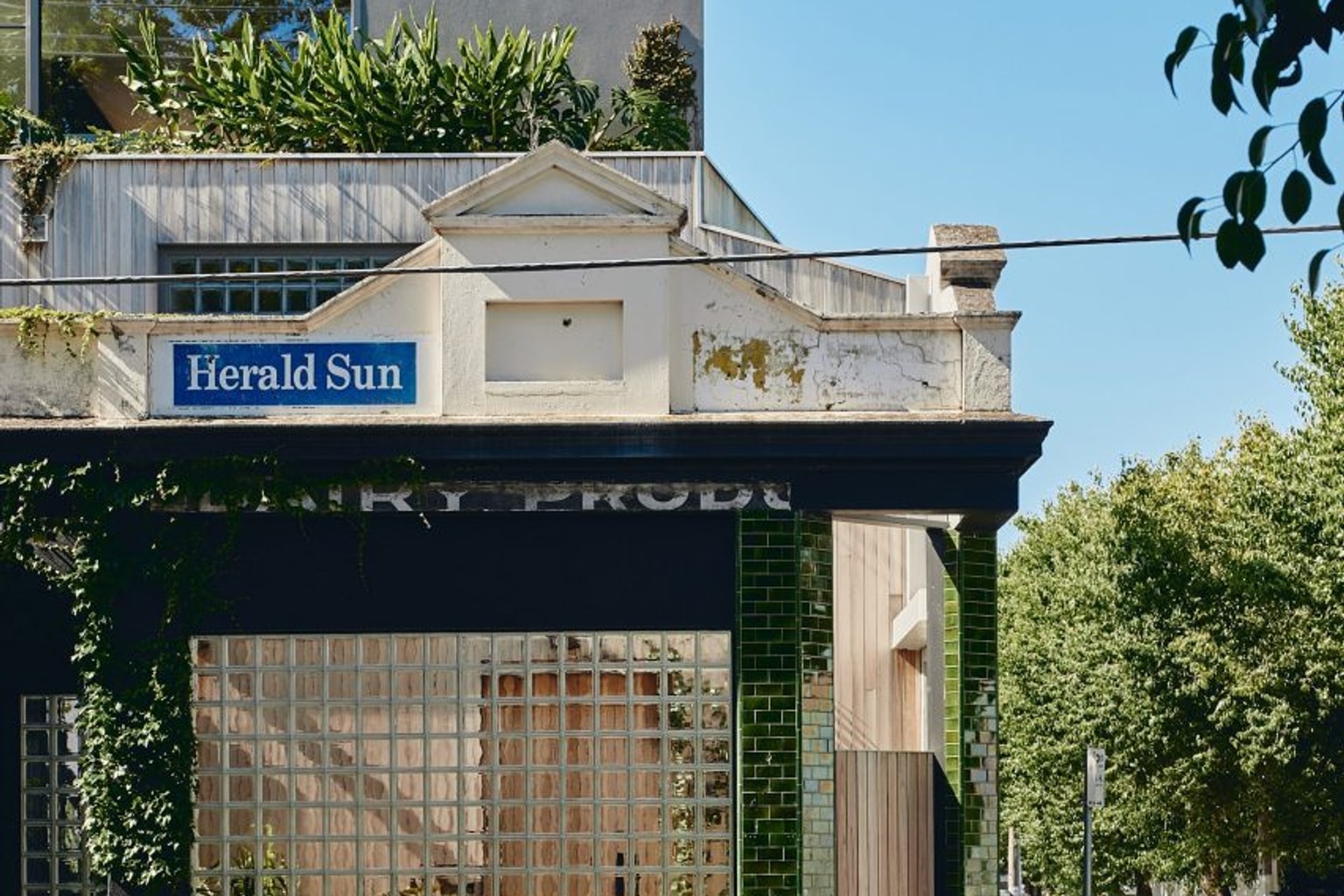
Urban environments constantly force a dialogue between the past and the future, and few architectural projects capture this conversation quite like the adaptive reuse of beloved neighborhood landmarks. Recently highlighted by the design publication Dezeen, a century-old commercial space in Melbourne has been entirely reimagined.
Local studio Kister Architects has successfully transformed a former 1910 corner shop—historically known to locals as a “milk bar”—into a contemporary family home. Aptly named “The Corner Shop,” the project centers around a lush internal courtyard entrance designed to inject much-needed greenery into the dense urban site.
This detail matters with anyone passionate about urban renewal, as it beautifully shows how cities can evolve while still honoring their grassroots architectural heritage.
Why it matters
The architectural community is increasingly focused on sustainable urban regeneration, making adaptive reuse projects highly relevant in current design discourse. Instead of demolishing aging structures to make way for generic new builds, architects are finding innovative ways to preserve the character of historic neighborhoods.
This specific project by Kister Architects is capturing attention because it addresses a common challenge in city living: the lack of private, natural spaces. By carving out a lush internal courtyard entrance, the designers have created a private oasis that directly combats the concrete-heavy nature of the typical urban corner lot.
Also, the transformation of a 1910 milk bar taps into a deep vein of cultural nostalgia. As these traditional community hubs fade from the modern retail landscape, seeing them preserved and repurposed resonates strongly with design enthusiasts and local historians alike.
The catch
At the core of this transformation, the open question is how architects balance the public-facing history of a commercial building with the private, intimate needs of a family residence. A corner shop, by its very definition, is designed to be open and accessible to the street. Converting such a space into a secure, secluded home requires a clever manipulation of boundaries and light. The introduction of the internal courtyard serves as a functional architectural buffer, transitioning inhabitants from the bustling streetscape into a serene domestic environment.
Also, audiences are curious about the cultural shift surrounding the Australian “milk bar”. Once a staple of suburban life, these small local convenience stores have largely been rendered obsolete by larger supermarkets.
Understanding how these distinct architectural footprints can be salvaged and integrated into modern residential zoning is a key point of interest for urban planners and architecture aficionados.
What to verify
Because the initial reports focus primarily on the conceptual transformation and the courtyard entrance, several practical details remain to be explored by interested observers. First, the specific Melbourne suburb where “The Corner Shop” is located has not been explicitly detailed in the brief overview, which would provide crucial context about local heritage overlays and zoning laws.
Second, architectural enthusiasts will want to verify the specific materials and structural interventions Kister Architects utilized to retain the 1910 facade while updating the interior to modern energy efficiency standards. Finally, the exact landscaping design of the courtyard—including the types of flora chosen to thrive in an enclosed urban footprint—warrants further investigation.
Source trail
The foundational details of this architectural transformation were originally reported by Dezeen, a leading online architecture, interiors, and design magazine. Additional context about Kister Architects’ broader portfolio can be explored through their official project releases and local Melbourne design archives.
Kister Architects has breathed new life into a 1910 Melbourne milk bar, converting the historic commercial space into a modern family residence named “The Corner Shop.” The standout feature of the adaptive reuse project is a lush internal courtyard that successfully introduces a private, green sanctuary into a densely built urban environment.