The kitchen is universally recognized as the heart of the home, a bustling environment where meals are prepared, families gather, and daily life unfolds. Consequently, it is also the room that receives the most rigorous and frequent cleaning attention.
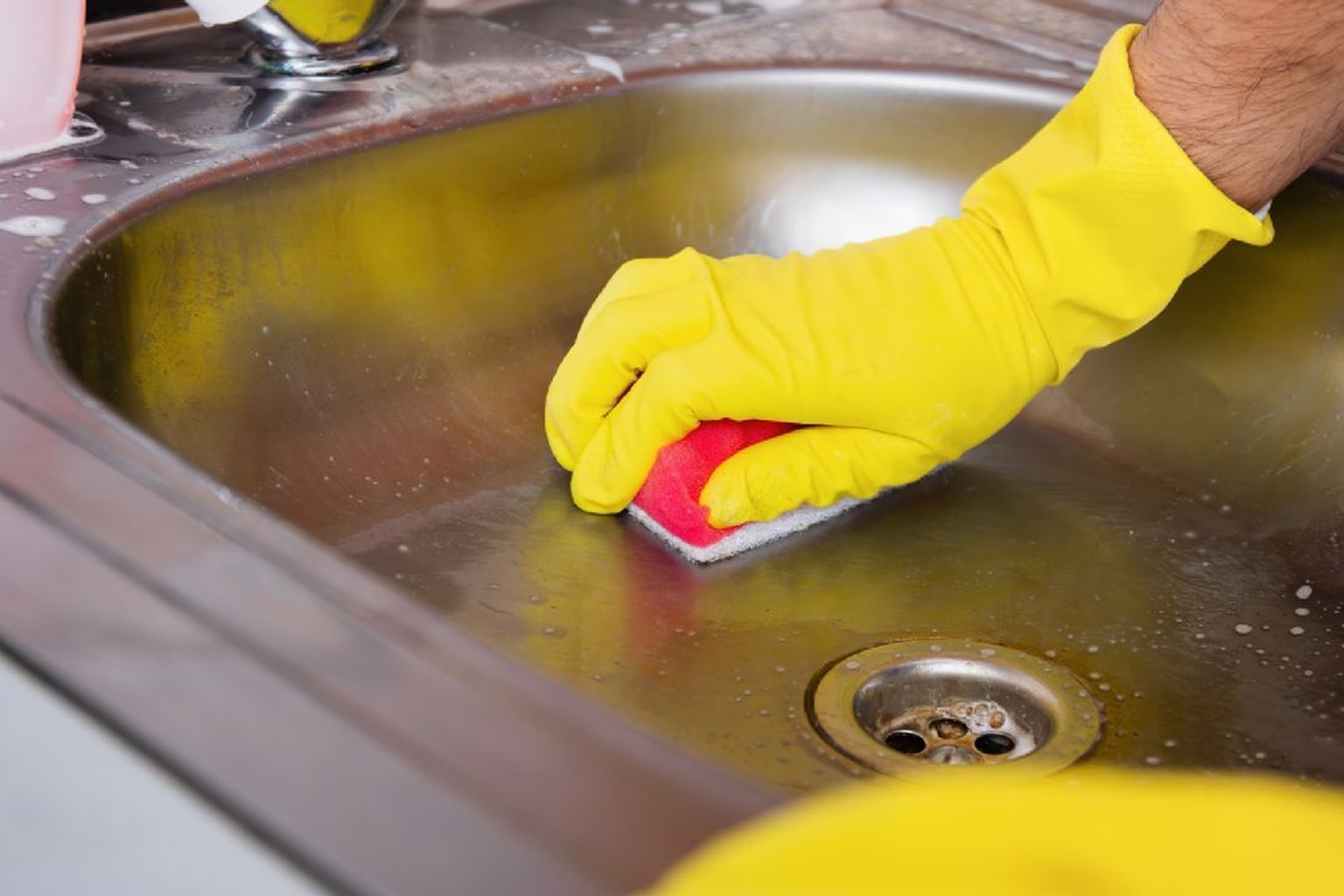
We wipe down granite countertops, scrub glass stovetops, and diligently mop tile floors in a perpetual, exhausting battle against grease and grime. Yet, despite our absolute best efforts with antibacterial sprays, bleach solutions, and microfiber cloths, a significant hygiene blind spot remains in many households.
Recent consumer advice highlights a persistent and unsettling issue: a hidden trap within our kitchens that silently harbors bacteria and mold, completely evading our standard daily chores.
Why it matters
The conversation around domestic hygiene and hidden household dangers is now gaining significant traction following a recent advisory report published by Tom’s Guide. Known primarily for consumer technology and home appliance insights, the publication has recently shifted its focus toward the critical intersection of home maintenance and personal health.
Their latest guidance provides expert tips aimed at eliminating harmful bacteria and persistent mold from a heavily overlooked area in the kitchen.
This topic is resonating widely across digital platforms because it challenges the comforting assumption that a visually clean kitchen is a sanitary one. As homeowners invest in increasingly complex kitchen gadgets and smart appliances, the number of intricate crevices, internal filters, and rubber seals where moisture can secretly accumulate has multiplied exponentially.
The sudden surge in interest reflects a growing consumer desire to move beyond superficial tidiness and address the root causes of household odors and potential health hazards. This detail matters with family and friends to ensure everyone’s culinary spaces remain truly safe and sanitary, rather than just looking the part.
The catch
At the core of this rising interest is a fundamental anxiety about invisible biological threats lurking in food preparation areas. People are actively trying to identify exactly which hidden part of the kitchen the experts are warning them about. While the initial summary points to a singular “hidden hygiene trap,” the modern kitchen is full of potential culprits. Audiences are left wondering: Is it the dark, damp environment of a dishwasher filter? The thick rubber gasket sealing the refrigerator door? Or perhaps the often-ignored garbage disposal unit and the shadowy recesses of the sink overflow drain?
Also, the demand is for actionable, permanent solutions rather than temporary, superficial fixes. The promise of learning how to clean this bacterial haven “for good” is highly appealing to frustrated homeowners.
People want to understand the specific biological mechanisms at play—why mold and bacteria thrive in these specific micro-environments—and what household or specialized cleaning agents are actually effective at eradicating them without damaging expensive kitchen hardware.
What to verify
Because the initial signal points to a generalized “hidden part” of the kitchen, several specific details require further investigation and verification.
- Identify the exact appliance or structural area highlighted by the experts as the primary bacterial trap in this specific report.
- Determine which specific strains of bacteria or types of mold are most commonly found in these neglected kitchen zones, and assess their actual health risks.
- Review the recommended cleaning protocols to see if they require specialized commercial products or if standard household items like white vinegar and baking soda are sufficient.
- Check for any manufacturer warnings regarding the deep cleaning of specific appliance parts to avoid accidentally voiding warranties.
Source trail
Even the most meticulously scrubbed kitchens harbor hidden zones where bacteria and mold can flourish entirely unnoticed. Recent expert guidance emphasizes the critical need to identify and deep-clean these specific hygiene traps, ensuring that our food preparation areas are as sanitary on a microscopic level as they appear on the surface.
This report draws on consumer and home maintenance reporting from Tom’s Guide, specifically their June 2026 advisory on kitchen hygiene and appliance maintenance. For the complete breakdown of the hidden bacterial traps and step-by-step cleaning instructions, can read the original report here.