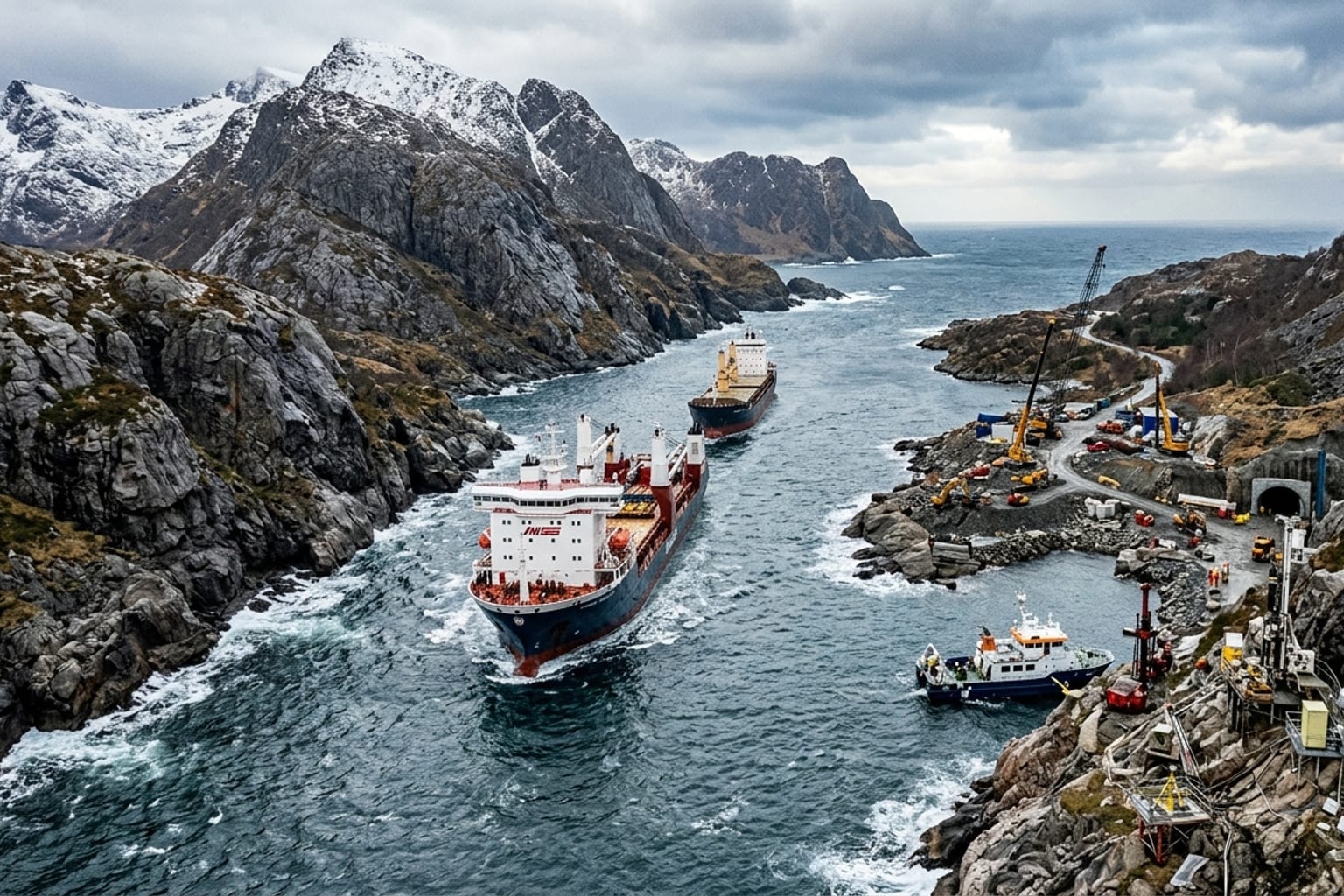
In a monumental leap for maritime infrastructure, Norway is officially preparing to move forward with the construction of the world’s first large-scale ship tunnel. Following the recent clearance of crucial project funding, engineers and maritime authorities are gearing up to carve a navigable waterway straight through the coastal terrain.
This ambitious endeavor is designed to allow vessels to safely bypass a notoriously dangerous sea route that has plagued sailors for decades. The story matters because it highlights a rare, massive leap in maritime infrastructure that reimagines how humanity navigates treacherous natural obstacles.
Why it matters
The concept of a tunnel designed specifically for ships is not entirely new to maritime discussions, but it has historically been stalled by the sheer financial and logistical weight of the proposal. According to recent reports from Interesting Engineering, the project has now crossed its most significant administrative hurdle: Norway has officially cleared the funding necessary to break ground on the ambitious project.
By securing the financial backing, the initiative transitions from a highly debated conceptual rendering into an active construction pipeline. Infrastructure megaprojects of this magnitude require immense capital upfront, and the approval signals a strong governmental commitment to maritime safety and economic efficiency.
The maritime industry has been watching this development closely. With the fiscal pathway now illuminated, procurement, final engineering blueprints, and heavy machinery deployment can finally proceed, marking the beginning of an unprecedented chapter in global civil engineering.
The catch
When people hear about a ship tunnel, the immediate question is usually one of necessity: why bore a massive hole through solid rock instead of simply sailing around the landmass? The answer lies in the extreme volatility of the local marine environment. The sea route this tunnel will bypass is widely recognized as one of the most hazardous and unpredictable stretches of water navigated by commercial and passenger vessels. Severe weather patterns, complex underwater topography, and aggressive ocean currents frequently combine to create perilous conditions that disrupt supply chains and endanger lives, leading to significant delays and increased operational costs for shipping companies.
By cutting a direct path through the terrain, the tunnel will offer a sheltered, predictable, and safe passage regardless of the turbulent weather systems raging out in the open ocean. Also, people are captivated by the sheer scale of the engineering required.
Unlike a standard roadway tunnel, a ship tunnel must boast enormous vertical clearance to accommodate masts and superstructures, alongside a deep, excavated basin to handle the draft of large vessels. It requires precision blasting and the removal of millions of tons of solid rock, making it a marvel of modern construction.
What to verify
While the funding clearance is a definitive green light, several critical details remain to be monitored as the project unfolds. First, journalists and industry analysts must verify the finalized timeline, including the official date for breaking ground and the projected timeline for completion.
Also, the exact dimensions of the tunnel—specifically the maximum tonnage and draft of the vessels permitted to pass through—need to be confirmed once final operational guidelines are published. Observers should also track how the Norwegian government plans to mitigate the environmental impact of the construction, particularly about the handling and repurposing of the massive volume of excavated rock.
Finally, the exact financial figures of the cleared budget will be an important metric to watch against future potential cost overruns, which are notoriously common in pioneering megaprojects of this unprecedented scale.
Source trail
Norway has officially secured the funding to build the world’s largest and first-of-its-kind ship tunnel. By carving a massive navigable waterway through solid rock, the unprecedented infrastructure project will allow maritime vessels to safely bypass a highly dangerous and unpredictable coastal sea route.
The primary developments about this infrastructure milestone were reported by Interesting Engineering in their coverage of global transportation initiatives.
For broader context on how extreme weather impacts global shipping, maritime industry resources frequently document the historical hazards of the Norwegian coastline.