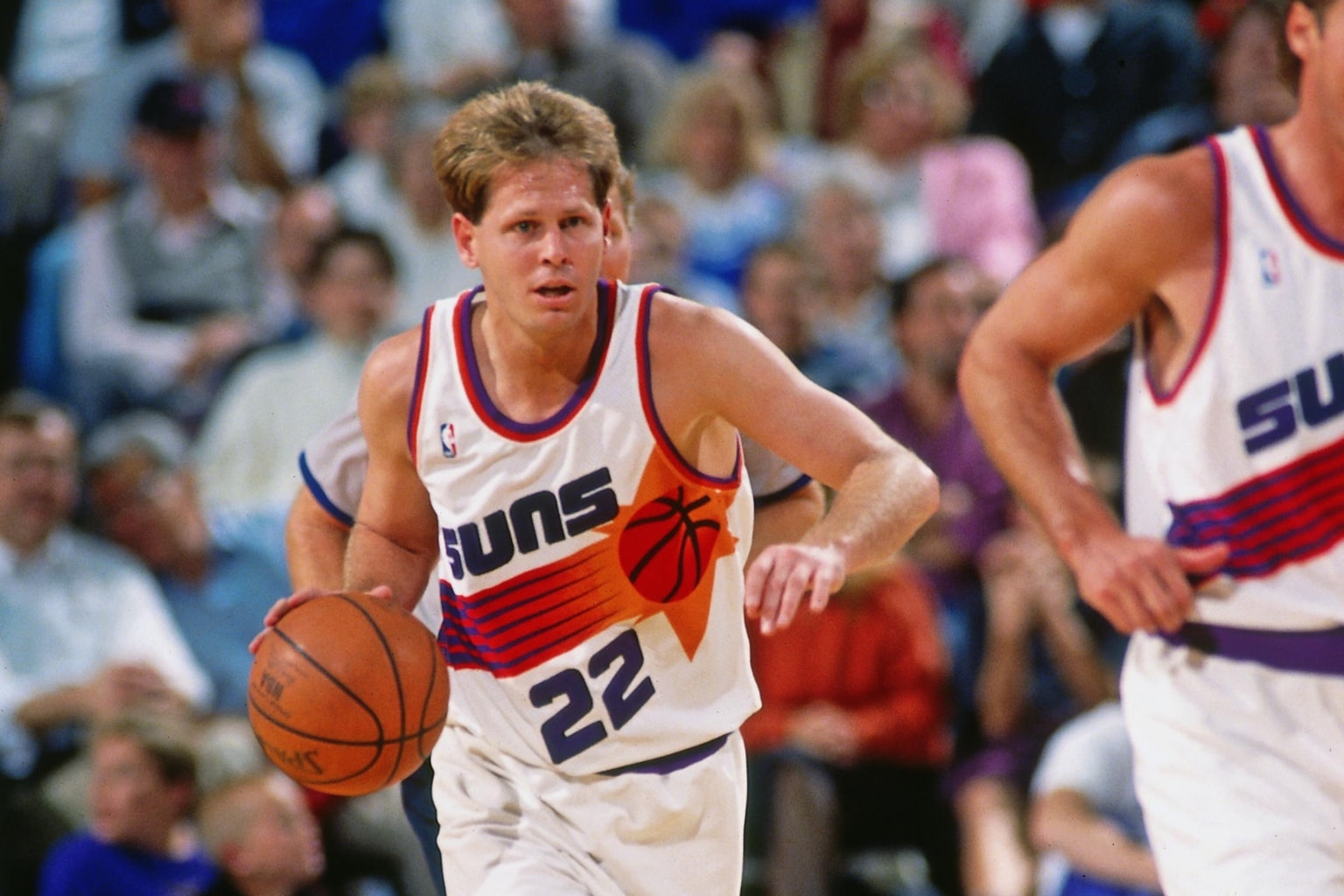
The annual professional basketball draft is most frequently defined by the glitz and glamour of the lottery. Fans obsess over the top ten selections, scrutinizing every collegiate highlight reel, international scouting report, and wingspan measurement.
Still, a recent historical retrospective has shifted the spotlight to a less celebrated but equally crucial segment of the draft board: the early second round. Specifically, picks 31 through 40 have been identified as a highly fertile ground for acquiring elite, franchise-altering talent.
This historical deep dive is useful for fellow basketball fans because it proves that franchise-altering talent can be found long after the heavily televised lottery picks leave the board.
According to recent coverage from Yahoo Sports NBA, the front end of the second round has consistently produced stars, champions, and even Hall of Famers, challenging the conventional wisdom that the draft drops off precipitously after the first thirty names are called by the commissioner.
Why it matters
The conversation around draft slot history is gaining immediate traction because the basketball calendar has reached its peak talent-acquisition phase. Published in mid-June, this analysis coincides perfectly with front offices finalizing their draft boards, conducting final prospect interviews, and evaluating complex trade scenarios.
During this period, fanbases are highly engaged, looking for any indication that their team might uncover a hidden gem in the later stages of the event.
The focus on picks 31 through 40 is particularly relevant right now because these selections often become highly fluid trade chips. Teams looking to shed guaranteed salary obligations frequently target the early second round, knowing that historical data supports the possibility of drafting impactful rotation players without the immediate financial constraints attached to first-round picks.
As a result, analysts and supporters alike are studying the track record of these specific draft slots to better understand the potential return on investment.
The catch
At the core of this trend, the open question is the scouting inefficiencies that allow star players to slip into the second round. People want to understand how dozens of professional talent evaluators can collectively overlook a future champion. The conversation touches upon the inexact science of scouting, where factors like advanced age, playing in a non-traditional collegiate system, international obscurity, or minor injury histories can artificially depress a prospect’s draft stock.
Also, fans are attempting to grasp the strategic value of the early second round under modern salary cap rules. Unlike first-round picks, who receive guaranteed contracts based on a strict rookie scale, second-round selections offer teams far more flexibility in contract structuring.
People are connecting the dots between this financial flexibility and the historical success rate of picks 31 through 40, realizing that this range represents arguably the best value proposition in the entire draft process. It is a space where calculated risks can yield monumental rewards for a franchise’s long-term championship aspirations.
What to verify
While the historical success of picks 31 through 40 is well-documented by the recent signal, several contemporary factors require further observation. Analysts should verify how recent changes to the league’s Collective Bargaining Agreement might alter the way teams value early second-round picks going forward.
Specifically, the introduction of new, highly restrictive salary cap aprons could make cheap, productive talent in this draft range even more coveted by contending teams.
Also, it is worth tracking which specific franchises now possess picks in the 31-40 range this year and whether those front offices have a historical track record of successfully developing second-round talent. Observers should also look into the active trade market to see if teams are aggressively trying to acquire selections in this newly highlighted sweet spot of the draft.
Source trail
The primary signal for this discussion originates from a retrospective analysis published by Yahoo Sports NBA, which cataloged the best players ever selected at picks 40 through 31.
For broader context on how these selections fit into the larger landscape of professional basketball talent acquisition, further context appears in the official NBA Draft History database, which provides a comprehensive, year-by-year look at every player selected in the second round over the past several decades.
The front end of the second round is far more than an afterthought in the professional basketball draft. Historical data confirms that picks 31 through 40 have yielded an impressive array of stars, champions, and Hall of Famers.
As teams navigate increasingly complex salary cap regulations, the ability to identify and develop elite talent in this specific draft range remains a critical component of building a sustainable championship contender.