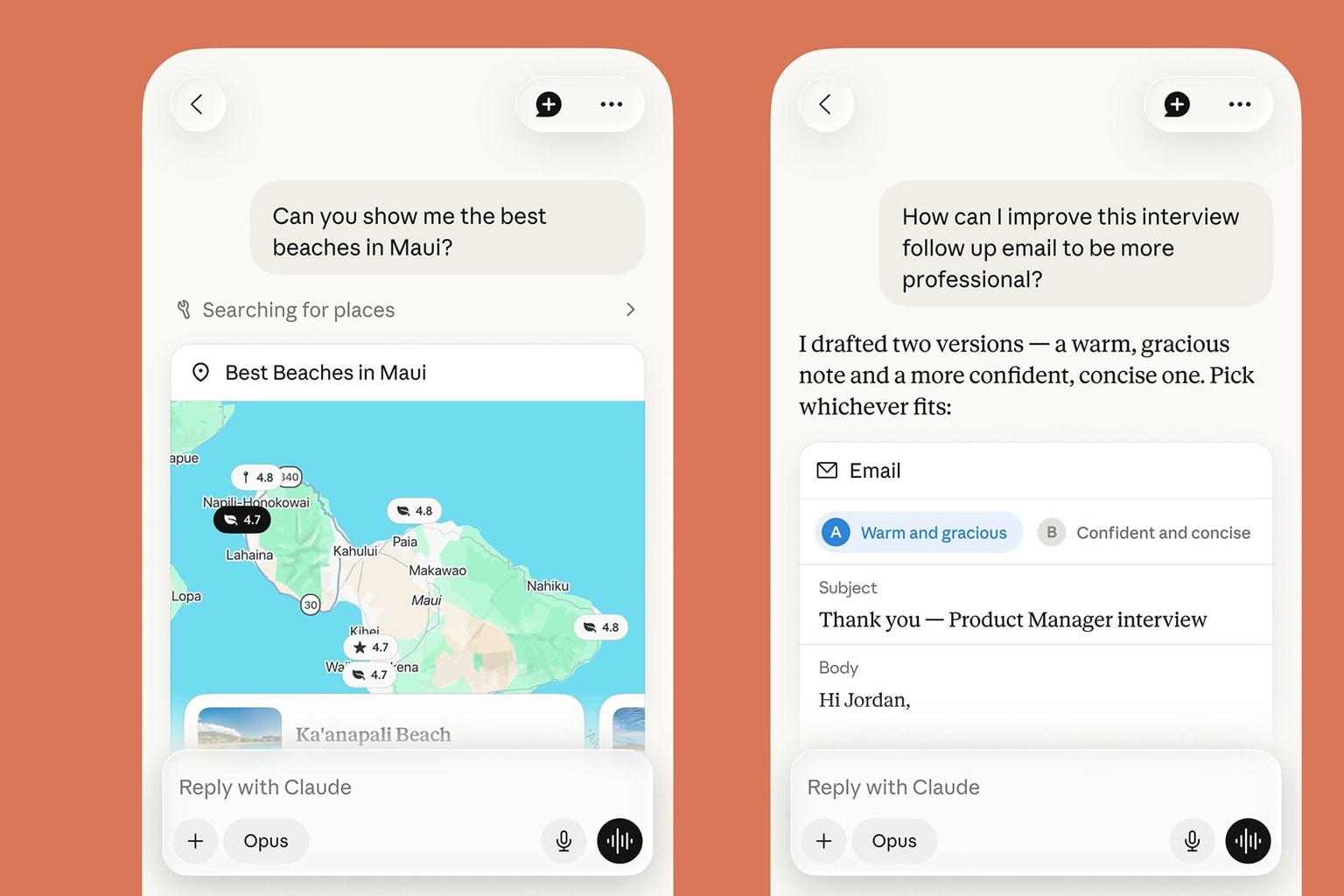
The landscape of artificial intelligence is rapidly shifting from a phase of initial awe to a period of practical, everyday utility. As users become accustomed to having powerful language models at their fingertips, the novelty of simple question-and-answer interactions is wearing off.
Instead, a growing segment of the digital public is actively seeking ways to integrate these systems more deeply into their professional and personal lives. This evolution in user behavior makes this a compelling story to share with colleagues and friends who might still be using next-generation tools like digital typewriters rather than the dynamic assistants they were built to be.
Why it matters
The current surge in interest around optimizing artificial intelligence interactions has been highlighted by a recent publication from Popular Science, which teased “9 Claude tips and tricks to get more out of the AI chatbot.” The core message of the coverage is a simple directive for modern internet users: do not limit yourself to just the basics.
Interest in Anthropic’s Claude has grown steadily as the platform positions itself as a robust alternative in the competitive chatbot market. Still, many users quickly hit a plateau.
They learn how to ask basic questions or generate simple emails, but they fail to unlock the deeper capabilities of the system. The sudden movement around optimization guides suggests that the broader public is finally ready to move past introductory tutorials and embrace more complex prompting strategies.
People are realizing that the output they receive from a conversational model is only as good as the instructions they provide, prompting a widespread desire to refine their approach.
The catch
At the heart of this trend is a fundamental desire to understand the mechanics of effective human-computer collaboration. The question is how to figure out how to bridge the gap between their conceptual goals and the machine’s literal interpretation of their text.
When technology outlets publish optimization guides for platforms like Claude, the public is typically looking for actionable workflows rather than abstract computer science concepts. They want to know how to structure a prompt to maintain a specific tone over a long conversation, how to feed the model large documents for accurate summarization, and how to avoid the common pitfalls of artificial hallucination.
Also, the practical question is the distinct personality and operational boundaries of Claude compared to its market rivals. Because different models process context and nuance differently, a prompt that works flawlessly on one platform might yield subpar results on another.
People are hungry for platform-specific nuances that can save them time and enhance their productivity.
What to verify
Because the original summary serves only as a starting point, several elements require further investigation by users eager to upgrade their skills. First, individuals should verify which specific versions of the chatbot these tips apply to, as capabilities can vary wildly between free tiers and premium subscription models.
Next, it is important to test the suggested tricks against real-world tasks to measure actual efficiency gains. Some highly touted prompt engineering methods look great on paper but add unnecessary complexity to straightforward tasks.
Users must verify whether these nine specific strategies genuinely improve their output quality or if they simply overcomplicate the interaction. Finally, it remains to be seen how future updates to the underlying language model might render current tips obsolete, making continuous learning a necessity.
Source trail
The primary signal for this trend in artificial intelligence optimization originates from coverage by Popular Science, which focuses on pushing past basic chatbot interactions. For broader context on how the public is adopting these tools, observers frequently monitor discussions within the wider artificial intelligence community to track the evolution of prompt engineering.
As conversational models mature, the focus is shifting from what the technology can do to how users can best command it. The demand for advanced tips and tricks for platforms like Claude underscores a critical transition: everyday users are no longer just experimenting with artificial intelligence; they are actively working to master it.
What to watch next
The useful follow-up is not only that 9 Claude tips and tricks to get more out of the AI chatbot is circulating, but whether the next reports add verifiable detail: dates, locations, measurements, documents, expert review, or a primary record that the public can inspect. The source trail includes more Popular Science coverage while watching for primary-source updates. Until those details are public, the careful version is to treat the story as interesting evidence in motion rather than a finished conclusion.
That is also why the story is worth treating carefully. It gives the update a concrete object or event to follow, but it should travel with the limits still attached: what is known now, what remains provisional, and what would make the claim stronger when the next update arrives.