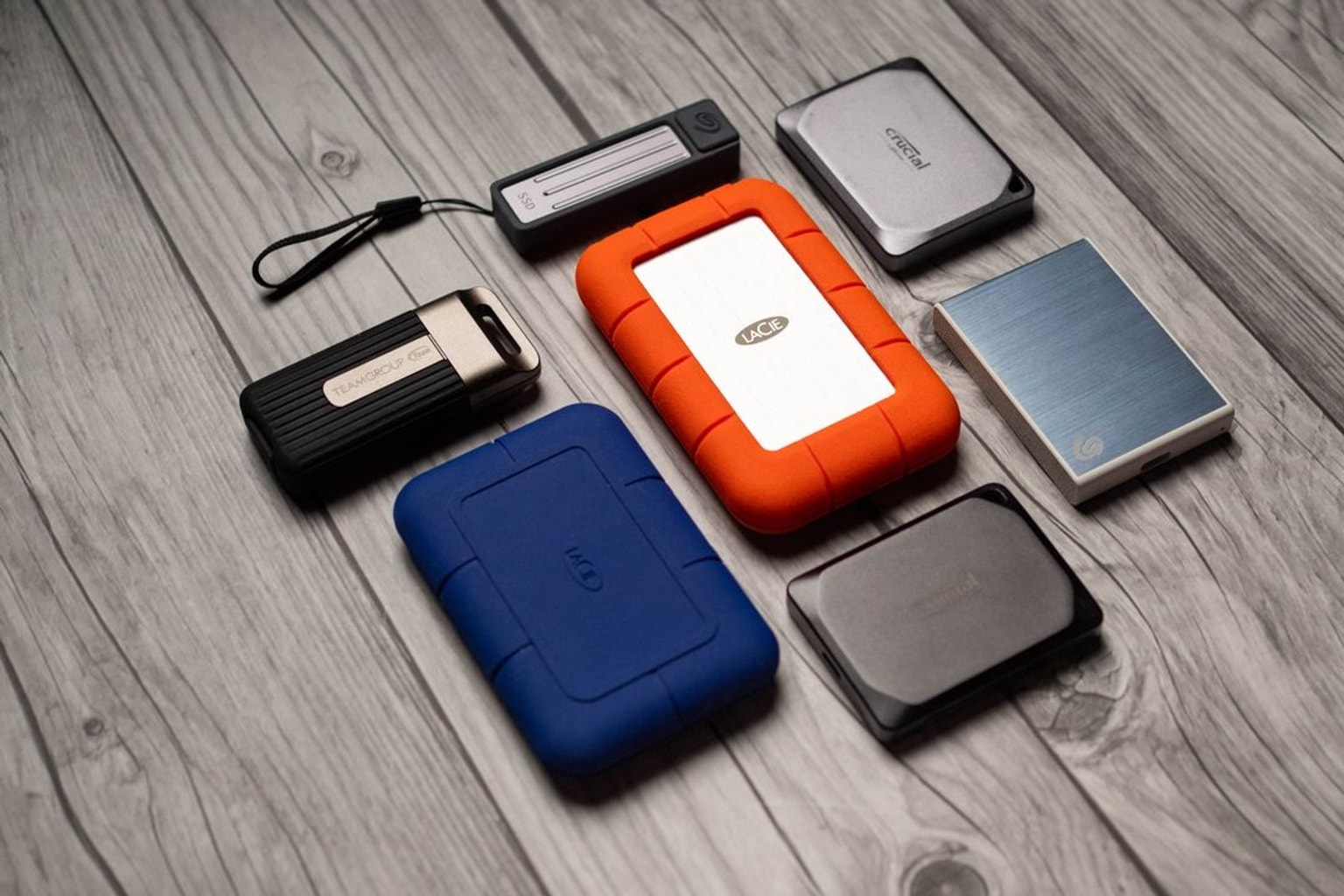
As digital libraries grow heavier with high-resolution media, massive game installs, and endless software updates, the modern computer user faces a persistent challenge: running out of storage space. Fortunately, the annual retail holiday known as Prime Day has arrived, bringing with it a highly anticipated wave of hardware discounts.
According to recent coverage from CNET Deals, consumers now have a prime opportunity to expand their digital real estate.
For anyone tired of constantly deleting files to make room for new games or creative projects, this wave of storage discounts is highly useful for fellow digital hoarders looking for a cost-effective hardware upgrade. Rather than paying a premium for factory-installed storage on a new device, tech-savvy buyers are increasingly turning to aftermarket solid-state drives (SSDs) to breathe new life into their existing machines.
Why it matters
The surge in interest around these specific promotions stems from the intersection of rising storage demands and the timing of major retail events. CNET reports that while storage solutions do not usually come cheap, the current Prime Day SSD deals are making it significantly easier on the wallet to pick up a high-capacity drive.
In 2026, the baseline storage requirements for everyday computing, let alone specialized tasks like 4K video editing or modern gaming, have skyrocketed. Consumers are acutely aware that traditional mechanical hard drives, while cheaper, act as a severe bottleneck for system performance.
Consequently, the demand for fast, reliable solid-state memory is at an all-time high. When a major sales event aligns with this universal tech necessity, the resulting consumer traffic and search volume naturally spike.
Shoppers who have been holding off on upgrading their laptops, desktop PCs, or gaming consoles are seizing the moment to purchase components that would otherwise stretch their budgets.
The catch
Beyond the initial excitement of a sale, consumers are trying to navigate a highly technical product category to ensure they are getting a genuine bargain. The core question for many shoppers is whether these Prime Day discounts represent true historical low prices or merely modest price drops framed as massive savings.
Also, people are attempting to decode the complex specifications associated with modern SSDs. The market is now dominated by NVMe M.
2 drives, which offer blistering read and write speeds compared to older SATA SSDs. Still, navigating the different generations of PCIe technology, understanding the importance of DRAM cache, and determining thermal requirements can be daunting.
Shoppers want to know which specific models offer the best balance of speed, reliability, and cost-effectiveness for their unique use cases. They are also looking for reassurance about compatibility—specifically whether a deeply discounted drive will fit seamlessly into their ultra-thin laptop or meet the stringent performance requirements of a modern gaming console.
What to verify
While the overarching narrative of affordable storage is clear, several specifics require independent verification before consumers finalize their purchases:
- Historical Pricing: Shoppers should use price-tracking tools to verify if the advertised Prime Day SSD deals are actually the lowest prices of the year, or if similar discounts were available during previous holiday sales.
- Model Specifics: Based on the media assets accompanying the CNET report, models like the Samsung 990 Pro, WD Black SN7100, and Kingston Fury Renegade appear to be focal points. Consumers must verify the exact capacities (e.g., 1TB, 2TB, or 4TB) that are receiving the heaviest discounts.
- Hardware Compatibility: Buyers need to cross-reference the form factor and interface of the discounted SSDs with their device’s motherboard specifications to ensure physical and technological compatibility.
- Heatsink Requirements: For high-performance drives, especially those intended for console gaming, it is vital to check if the discounted model includes a pre-installed heatsink or if one must be purchased separately.
Source trail
The primary report on these storage discounts originates from CNET Deals, which highlighted the cost-saving opportunities in their article, Running Out of Storage? These Prime Day SSD Deals Let Upgrade Without Overspending.
For broader context on navigating retail holidays, consumers often consult Amazon’s official Prime Day landing pages to track rotating lightning deals and hardware promotions.
As digital storage demands continue to outpace the base capacities of most modern devices, Prime Day is offering a critical window for consumers to upgrade their systems affordably. By taking advantage of current SSD discounts highlighted by tech outlets like CNET, shoppers can significantly boost their device’s performance and capacity without overspending, provided they verify compatibility and historical pricing before checking out.