Technology giant Meta has launched its first line of in-house artificial intelligence smart glasses. The new eyewear collection features three distinct styles and includes a high-profile design collaboration with Kylie Jenner.
What happened
Meta introduced three new models of smart eyewear to the market. The lineup includes the Meta Adventurer, the Meta Fury, and the standard Meta Glasses.
The standard Meta Glasses model anchors the collection. Meanwhile, the Adventurer and Fury models aim at different aesthetic tastes.
This release marks a milestone for the technology company. It is the first time Meta has designed its artificial intelligence glasses entirely in-house.
Previously, the company collaborated with established eyewear makers to build its frames. Handling the physical design internally represents a major shift in strategy.
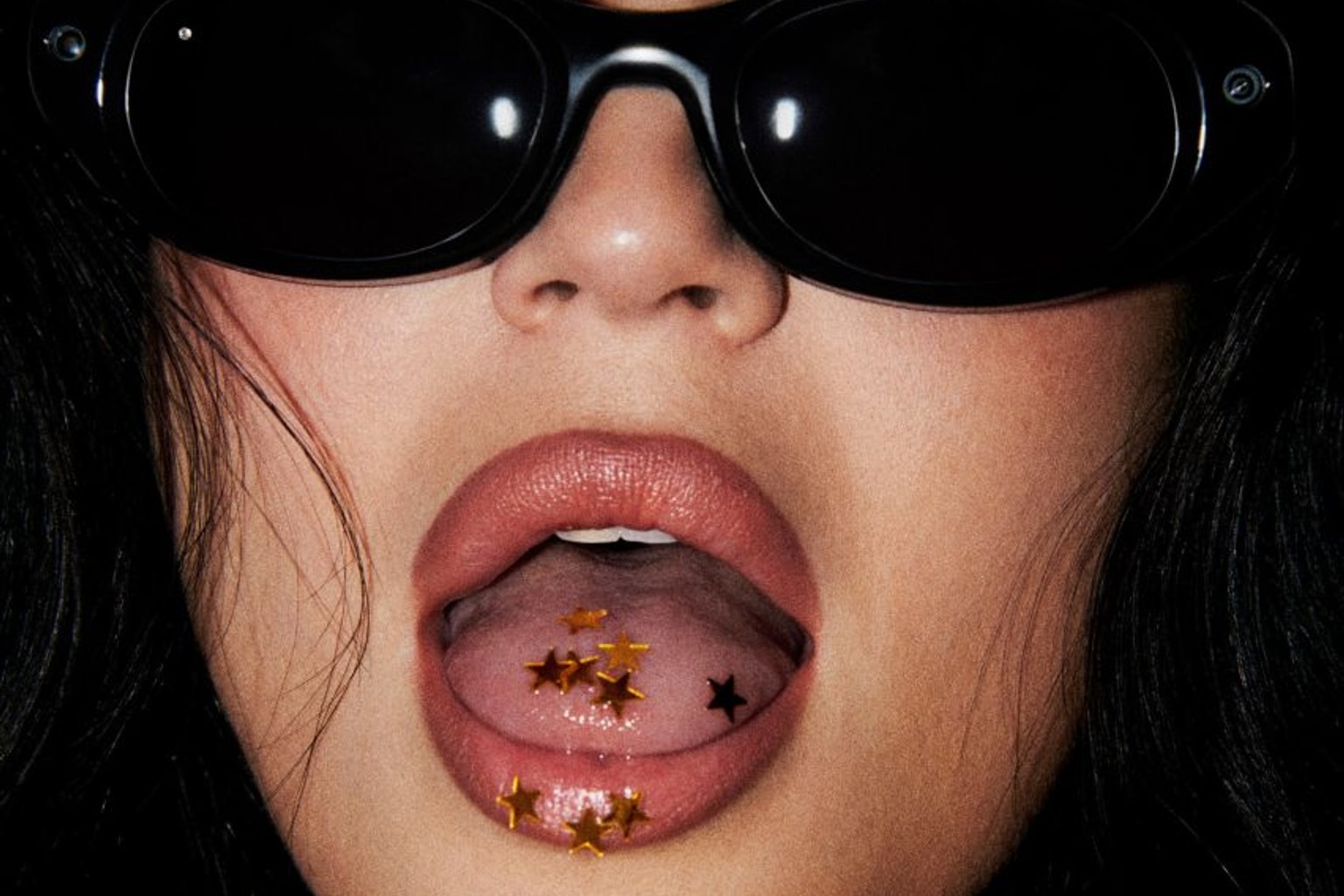
The launch leans heavily on celebrity influence. One of the standout designs features a direct collaboration with Kylie Jenner.
Company executives have made specific promises about the new hardware. They tout the updated frames as significantly more ergonomic than previous versions.
Meta also claims the new lineup will be more affordable. The goal is to push smart glasses past early adopters and into everyday use.
Why it matters
Taking design operations in-house gives Meta total control over its hardware. The company no longer needs to rely entirely on external fashion brands to shape its products.
By controlling the entire manufacturing process, Meta can integrate its software more tightly with the physical hardware. This could lead to better performance.
The three distinct styles show a clear segmentation strategy. The Meta Adventurer and Meta Fury names suggest specialized use cases or distinct aesthetic choices.
Partnering with Kylie Jenner highlights a shift in how wearable technology is sold. The focus is moving away from raw technical specifications.
Tech companies have historically struggled to make face-mounted computers look stylish. The Kylie Jenner partnership is a deliberate attempt to capture a younger, trend-focused demographic.
Companies want these devices to be seen as fashion accessories. Celebrity endorsements help normalize the idea of wearing cameras and microphones on the face.
Affordability is a critical factor for the wearable market. If Meta can lower the price floor, it could force competitors to adjust their own hardware costs.
The catch
Corporate claims about comfort and cost require independent testing. A device touted as more affordable does not always mean it is cheap.
The exact pricing structure remains a crucial missing detail. It is unclear how much of a premium the Kylie Jenner collaboration will command.
Ergonomics are highly subjective. What feels comfortable during a brief demonstration might cause fatigue after a full day of wear.
Heavy lenses and battery arms often cause discomfort behind the ears. Ergonomic remains a marketing term until proven otherwise by daily use.
The underlying artificial intelligence features are still housed in a small, battery-constrained device. Managing heat and power consumption in lightweight frames remains a difficult physics problem.
Smart glasses inherently raise privacy questions for bystanders. Putting cameras into high-fashion frames designed by celebrities might amplify those concerns.
What to verify
Check the official retail prices for the Meta Adventurer, Meta Fury, and standard models.
Look for independent reviews testing the battery life of the new in-house designs.
Confirm the exact artificial intelligence capabilities integrated into the Kylie Jenner edition.
Compare the weight of these new frames against Meta’s previous smart glasses.
Investigate whether the in-house design process changed the repairability of the devices.
Watch for consumer privacy reactions once the celebrity-endorsed models hit the streets.
Source trail
The initial details regarding the new hardware lineup were reported by Dezeen.
Further hardware specifications and release timelines will likely appear on Meta’s official product pages.