A dying smartphone battery is stressful enough, but discovering that the device refuses to charge when plugged in can trigger genuine panic. For many consumers, a malfunctioning USB port immediately signals a costly trip to a professional repair shop or, worse, the premature purchase of a brand-new handset.
Still, recent insights suggest that resolving this common hardware failure might not require professional intervention after all. This development is incredibly useful to share with friends and family members who might be on the verge of throwing away a perfectly good device over a simple lint blockage or minor hardware misalignment.
Why it matters
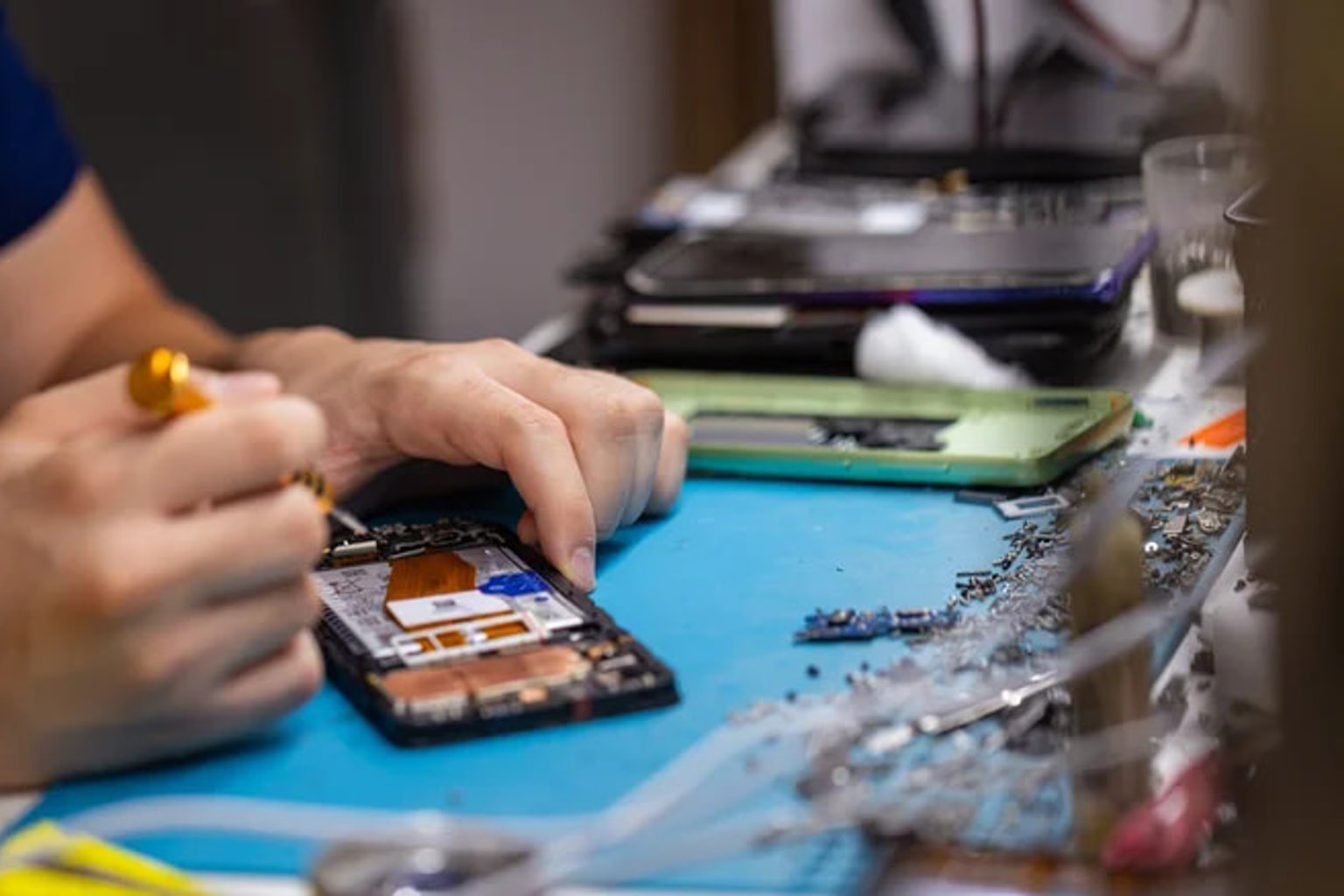
The conversation around do-it-yourself electronics maintenance is gaining substantial traction, driven by both economic pressures and a growing cultural emphasis on sustainability. According to a recent report by BGR, fixing a USB charging port can actually be a straightforward process provided the user has the correct tools and a bit of foundational know-how.
This surge in interest aligns with the broader “right to repair” movement, which advocates for consumer access to the parts, tools, and manuals necessary to fix their own devices. As flagship smartphones become increasingly expensive, holding onto older models for longer periods has become a financial necessity for many.
Consequently, when a critical component like the charging port begins to fail—often due to the accumulation of pocket lint, dust, or minor physical wear—consumers are actively seeking out tutorials rather than immediately defaulting to expensive manufacturer repair services.
The catch
When confronted with a malfunctioning charging port, people are primarily trying to gauge the risk-to-reward ratio of attempting a home repair. The core question is whether “easy” translates to “safe for the device.” the practical question is exactly what constitutes the “handful of tools” mentioned in repair guides. Are these specialized instruments that cost as much as a professional repair, or are they common household items like wooden toothpicks, anti-static brushes, and compressed air?
Also, the open question is the root cause of their charging issues. A port that feels loose and fails to grip the cable might require a different intervention than a port that is simply packed with debris.
People need to distinguish between a cleaning procedure—which carries minimal risk—and a physical hardware replacement, which involves opening the device chassis, navigating delicate ribbon cables, and potentially voiding active warranties. Understanding these boundaries is critical before inserting any foreign object into a sensitive electrical component.
What to verify
Before attempting any DIY repair on a personal device, several crucial details must be verified. First, consumers should check the exact nature of the required tools outlined in the BGR guide to ensure they are using non-conductive materials that will not short-circuit the phone’s motherboard.
Also, users must verify their current warranty status. Opening a device or attempting hardware modifications can permanently void manufacturer protections, such as AppleCare or Samsung Care+.
It is also important to check if the issue lies with the port itself or simply a degraded charging cable or faulty power adapter, which are frequently the true culprits behind charging failures. Finally, repair steps often vary significantly between different connection standards—such as USB-C, Apple’s proprietary Lightning connector, and older Micro-USB ports—so confirming device-specific instructions is essential.
Source trail
The primary signal for this trend comes from a June 2026 tech-culture article published by BGR, titled “Fixing A USB Charging Port Can Be Easy, With The Right Tools.” The piece highlights the accessibility of at-home smartphone maintenance.
For broader context on the consumer repair landscape, people can also look to advocacy groups and repair databases like iFixit, which regularly publish teardowns and repairability scores for modern consumer electronics.
A failing smartphone charging port does not necessarily mean the end of the device’s lifespan or an inevitable, expensive trip to the repair shop. With a basic understanding of the hardware and a few specific tools, many consumers can safely troubleshoot and resolve USB connection issues at home, saving both money and electronic waste in the process.
What to watch next
The useful follow-up is not only that Fixing A USB Charging Port Can Be Easy, With The Right Tools is circulating, but whether the next reports add verifiable detail: dates, locations, measurements, documents, expert review, or a primary record that the public can inspect. The source trail includes more BGR coverage while watching for primary-source updates. Until those details are public, the careful version is to treat the story as interesting evidence in motion rather than a finished conclusion.
That is also why the story is worth treating carefully. It gives the update a concrete object or event to follow, but it should travel with the limits still attached: what is known now, what remains provisional, and what would make the claim stronger when the next update arrives.