British studio 51 Architecture has transformed a former Victorian stable into the first dedicated headquarters for eyewear brand Cubitts. The renovated mews complex in King’s Cross now houses central London’s only active spectacle-making workshop.
What happened
British firm 51 Architecture has completed a major renovation for local eyewear brand Cubitts. The project converts the former stables of a historic vinegar brewery into a modern workspace.
The site sits just off Caledonian Road in the King’s Cross neighborhood. The buildings form a traditional Victorian mews complex.
This development serves as the first dedicated headquarters for Cubitts. The brand previously managed its operations without a centralized corporate home.
The most significant addition to the site is the manufacturing space. The complex now hosts the only spectacle-making workshop located in central London.
Workers at the site will assemble and finish optical frames. The layout places the company’s administrative staff in the same facility as its production team.
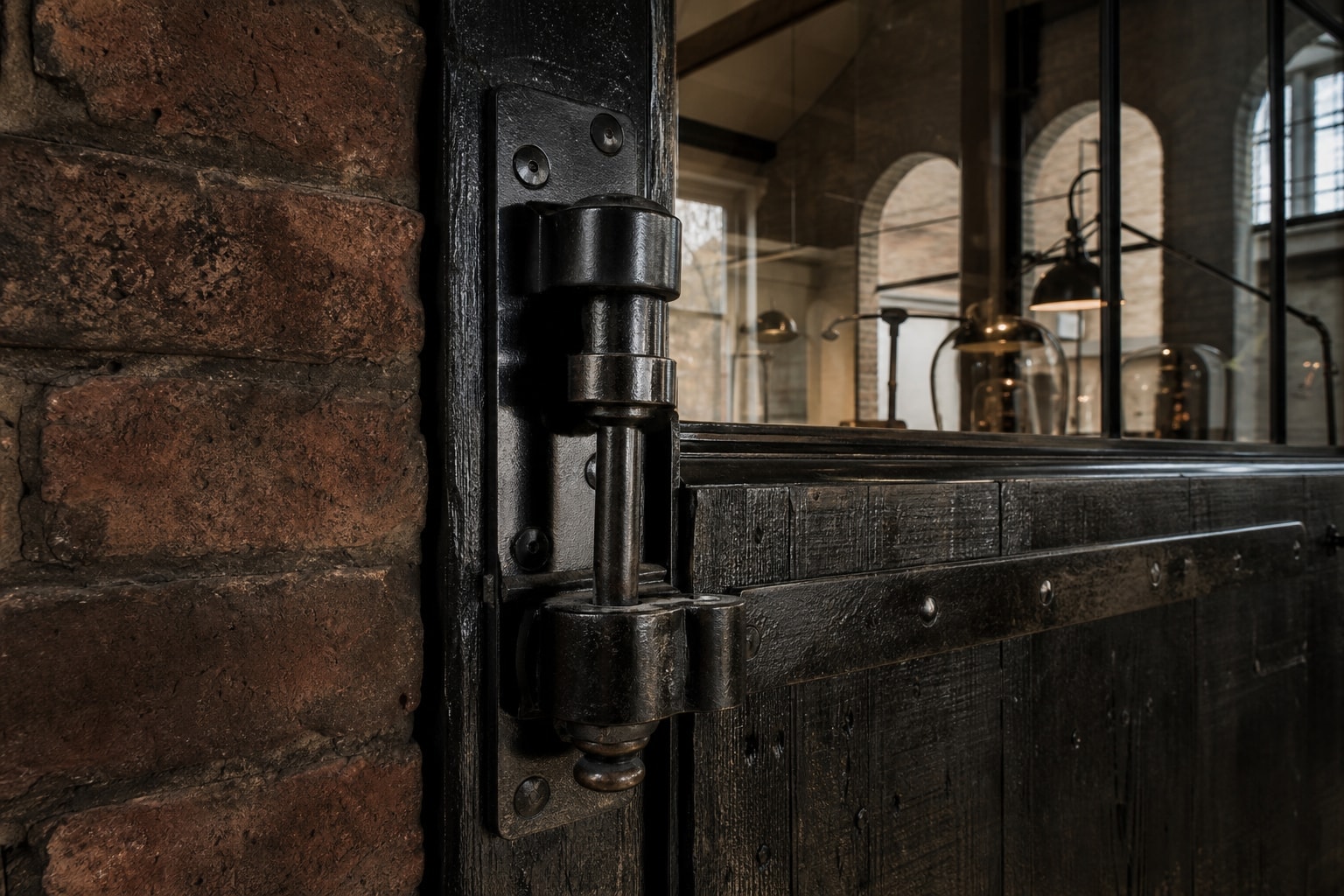
The architects focused on adapting the 19th-century brick structures. They maintained the original footprint of the brewery stables while upgrading the interiors for modern retail and design work.
Why it matters
The project demonstrates a practical reuse of London’s industrial heritage. It saves a specialized Victorian structure from being turned into luxury apartments.
Combining a head office with a factory floor is rare in the modern capital. Most consumer brands separate their design teams from their manufacturing centers.
Placing the workshop in King’s Cross brings light industry back to a highly developed commercial zone. The area has largely lost its historic manufacturing base over the last fifty years.
The central location allows Cubitts to showcase its production methods directly. It turns the act of making glasses into a visible part of the company identity.
The design by 51 Architecture proves that historic mews buildings can support complex commercial needs. The stables once housed draft horses; they now support precision optical equipment.
The catch
Operating a manufacturing workshop in a Victorian mews comes with severe spatial limits. The historic walls cannot be easily moved to accommodate larger machinery.
The narrow streets around Caledonian Road complicate daily logistics. Delivering raw materials and shipping finished glasses requires careful planning in a dense neighborhood.
The claim of being the only spectacle-making workshop in central London depends on strict geographic definitions. Other boutique makers may operate just outside the central zone.
Maintaining a factory in King’s Cross carries massive real estate costs. The brand must rely on premium pricing to justify the expensive location.
What to verify
Review the planning permissions to see how the local council protected the vinegar brewery’s heritage features.
Check the exact number of staff and craftspeople working inside the new headquarters.
Confirm the specific manufacturing processes taking place in the workshop versus those outsourced to other facilities.
Investigate the long-term lease or ownership details to understand the financial scope of the renovation.
Source trail
The architectural details and project summary were originally published by Dezeen. The design was led by the British studio 51 Architecture.