The smartphone accessory market is often the most reliable bellwether for unreleased or newly announced consumer technology. Right now, the focus is squarely on Apple’s next generation of handsets.
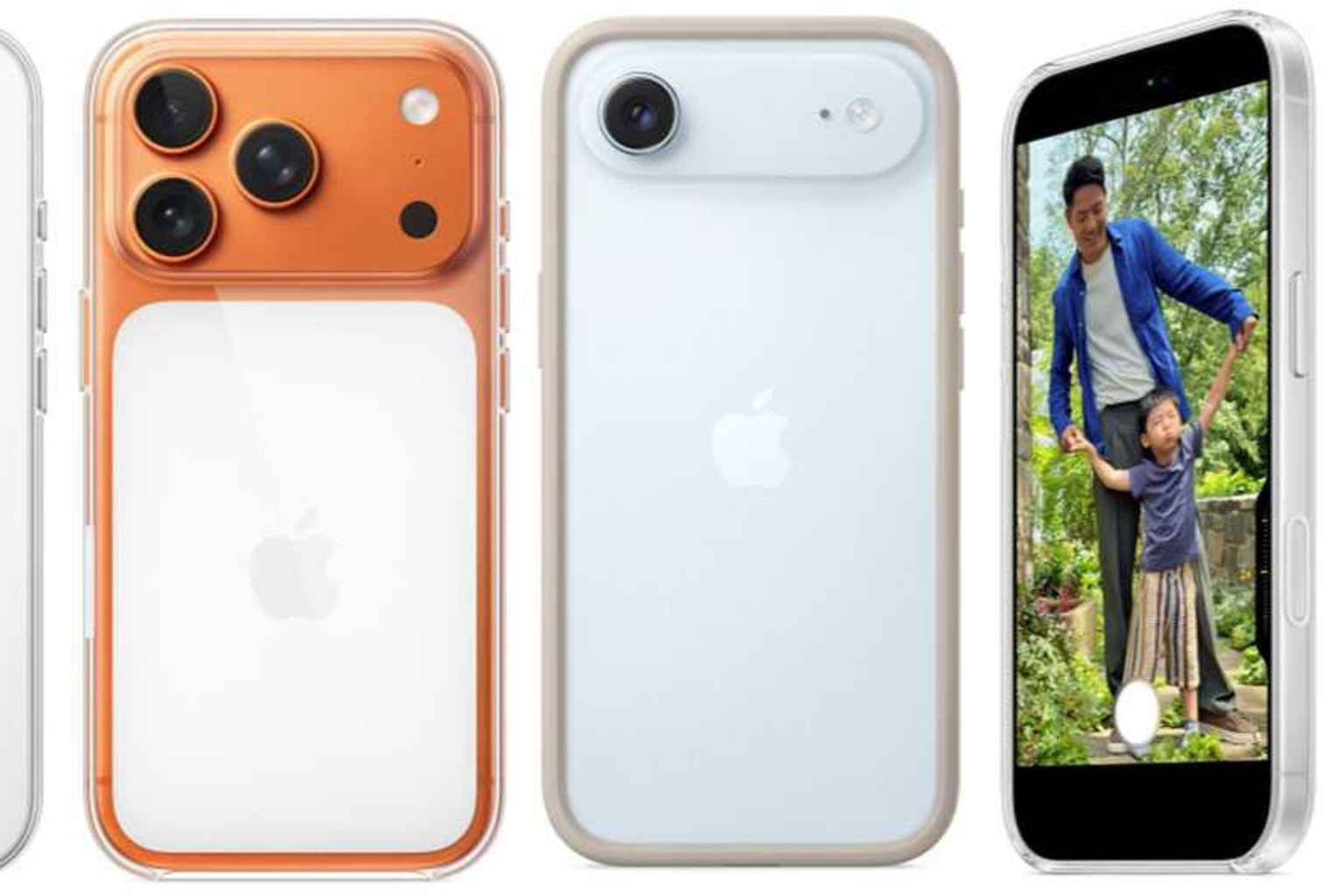
A recent roundup of protective accessories has shed light on the highly anticipated iPhone 17 family, revealing a surprisingly broad array of devices. For consumers planning their next major technology upgrade, this early glimpse into the accessory ecosystem is incredibly valuable to share with friends and family who might be holding out for Apple’s latest hardware.
Why it matters
The conversation is accelerating because major technology publications, including Macworld, have begun publishing comprehensive guides to the best cases for the upcoming iPhone 17 series.
What makes this particular wave of accessory coverage notable is the specific naming convention used for the expected devices.
Rather than a standard four-device lineup, the accessory market is preparing for a five-tier release strategy. The models explicitly named in recent accessory roundups include the standard iPhone 17, the premium iPhone 17 Pro, and the larger iPhone 17 Pro Max.
More intriguingly, the coverage also includes cases for the iPhone 17e and the much-rumored iPhone Air. Also, the early accessory documentation references an upgraded “Ceramic Shield 2” shell, suggesting Apple is heavily marketing the baseline durability of this new generation.
Still, accessory makers are quick to point out that even advanced glass technologies require additional protection against drops and daily wear.
The catch
Beyond simply finding a colorful shell for a new device, the question is how to parse what this expanded lineup means for their purchasing decisions. The inclusion of an “iPhone 17e” and an “iPhone Air” suggests a significant fragmentation or diversification of Apple’s mobile strategy. Consumers are attempting to figure out where these new devices sit in the pricing and feature hierarchy. Is the “Air” an ultra-thin premium model, or a lightweight entry-level device? Does the “17e” represent a new budget tier replacing the older SE line?
Also, buyers are trying to gauge the actual necessity of heavy-duty cases. With the mention of the Ceramic Shield 2, Apple is clearly pushing the boundaries of smartphone durability.
Yet, the robust market for protective gear indicates that consumers remain skeptical about using a premium glass-and-metal device without a safety net. The central question is whether they can get away with a minimalist clear case or if they still need military-grade drop protection for these specific new form factors.
What to verify
Because accessory makers often base their initial designs on leaked schematics and supply chain rumors, several key details remain to be verified before consumers make final purchasing decisions.
First, the exact physical dimensions and camera bump configurations of the iPhone Air and iPhone 17e must be confirmed by Apple. Early cases might suffer from slight fitment issues if the final manufacturing tolerances differ from the leaked computer-aided design files used by case designers.
Second, analysts need to verify the performance metrics of the Ceramic Shield 2. If the new material is significantly more shatter-resistant than its predecessor, the demand for ultra-rugged cases might shift toward slimmer, more aesthetic options.
Finally, the compatibility of existing MagSafe accessories with the new, potentially thinner “Air” model remains an open question that reviewers will need to test extensively.
Source trail
The accessory ecosystem is already fully mobilized for the iPhone 17 generation, bringing with it confirmation of a highly diversified lineup that includes the standard, Pro, Pro Max, 17e, and Air models. While Apple is introducing a stronger Ceramic Shield 2 exterior, the consensus among tech publications is that protective cases remain a mandatory investment for the new devices.
This analysis is based on early accessory market coverage and buying guides. The primary signal for this trend is the recent case roundup published by Macworld, which details the protective options for the expanded Apple smartphone family. Additional context about smartphone durability trends and accessory manufacturing timelines informs the broader market perspective.
What to watch next
The useful follow-up is not only that Best iPhone 17 cases for iPhone 17, 17 Pro & 17 Pro Max, 17e and Air is circulating, but whether the next reports add verifiable detail: dates, locations, measurements, documents, expert review, or a primary record that the public can inspect. The source trail includes more Macworld coverage while watching for primary-source updates. Until those details are public, the careful version is to treat the story as interesting evidence in motion rather than a finished conclusion.
That is also why the story is worth treating carefully. It gives the update a concrete object or event to follow, but it should travel with the limits still attached: what is known now, what remains provisional, and what would make the claim stronger when the next update arrives.