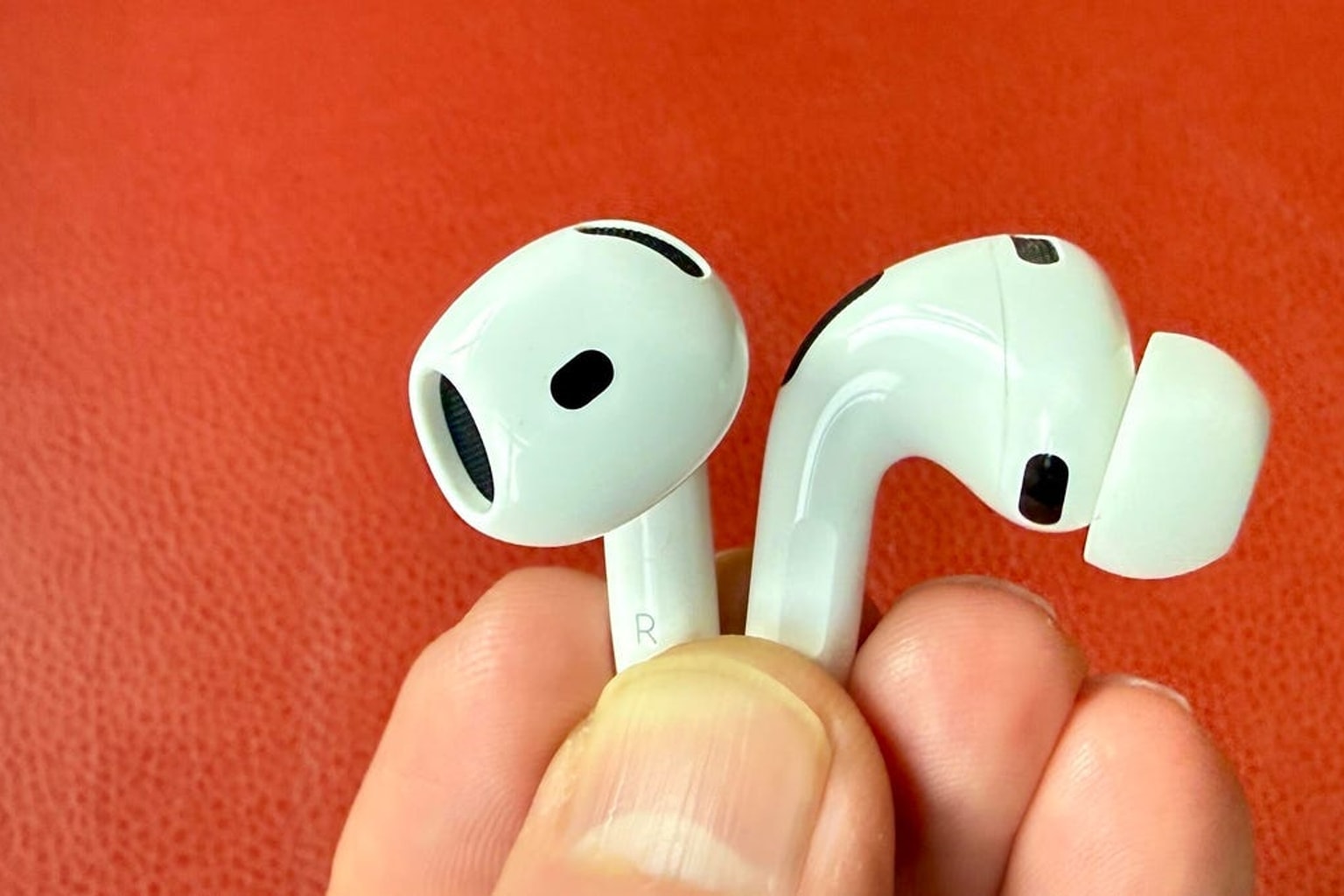
For millions of fitness enthusiasts, wireless earbuds are as essential to a workout routine as a reliable pair of running shoes. But as wearable technology continues to evolve, these ubiquitous audio devices are taking on a completely new role: biometric tracking.
Recent evaluations are putting this functionality to the test, asking whether the tiny sensors inside the ears can reliably monitor the cardiovascular output. The detail matters for anyone who regularly exercises with earbuds and wonders if they can finally leave their bulky smartwatch or chest strap at home.
The latest spotlight comes from CNET, which recently pitted Apple’s AirPods against dedicated fitness trackers to gauge their real-world accuracy.
Why it matters
The conversation around hearables—earbuds equipped with advanced health sensors—is gaining significant traction as tech giants integrate more fitness features into everyday audio gear. Recently, CNET published an in-depth comparison testing the heart rate measurement capabilities of AirPods against established industry benchmarks: the Apple Watch and the Polar chest strap.
This comparison is moving the needle because it addresses a fundamental consumer desire for device consolidation. If the earbuds can accurately track the heart rate while playing favorite running playlist, the need for a secondary wearable diminishes.
Still, optical sensors face unique challenges depending on where they are placed on the body. Wrist-based monitors have historically struggled with certain flexions, while chest straps remain the gold standard.
Moving the sensor to the ear canal introduces new variables about blood flow reading and motion artifacts, prompting tech journalists to rigorously verify Apple’s integration of this biometric technology.
The catch
At the core of this discussion, consumers are trying to figure out if ear-based heart rate tracking is a reliable metric or just a clever marketing addition. The practical question is exactly how the AirPods hold up during different types of physical exertion. Does the accuracy plummet during high-intensity interval training when head movement is erratic, or does the in-ear fit maintain a steady, unbroken connection?
Also, users are curious about the latency of the data. A dedicated chest strap provides near-instantaneous feedback, which is absolutely crucial for athletes training in specific, rigid heart rate zones.
If the AirPods suffer from a significant delay in reporting sudden heart rate spikes or drops, they might only be suitable for casual steady-state cardio rather than rigorous athletic conditioning. Ultimately, the central question is whether the sheer convenience of an all-in-one audio and fitness device outweighs the potential compromises in biometric precision compared to a dedicated sports wearable.
What to verify
While initial comparisons provide a helpful baseline, several practical factors require further verification. First, it is necessary to determine which specific generations and models of AirPods feature the most accurate iteration of these optical sensors, as hardware capabilities vary across Apple’s lineup.
Second, independent testers need to evaluate how continuous heart rate monitoring impacts the overall battery life of the earbuds during extended marathon training sessions. Finally, more data is needed on how different ear shapes, varying sweat levels, and the security of the physical fit affect the consistency of the sensors over time.
Source trail
The primary investigation into this wearable tech convergence originates from CNET’s recent hardware review. can read their full methodology and findings in their article: [AirPods Can Measure the Heart Rate, but Are They Accurate?]
(https://www. cnet.
com/tech/mobile/airpods-vs-apple-watch-heart-rate-accuracy/). For broader context on how these biometric sensors function across different devices, resources on optical heart rate monitoring provide valuable background into the underlying technology.
As earbuds evolve into sophisticated health monitors, early tests comparing AirPods to trusted devices like the Apple Watch and Polar chest straps are crucial for consumers. While the convenience of ear-based tracking is undeniably appealing, users must carefully weigh potential accuracy and latency trade-offs before deciding to ditch their dedicated fitness wearables entirely.