The promise of a fully automated, pristine swimming pool has long driven the premium smart home market. Still, early assessments of the latest high-end contender suggest that buyers might want to wait before taking the plunge.
A recent review of the Aiper Scuba V3 Ultra pool cleaning robot highlights a stark divide between its ambitious artificial intelligence capabilities and its frustrating day-to-day usability. Priced at a steep $2,000, the device is now drawing attention for both its advanced features and its significant operational flaws.
For homeowners looking to automate their summer maintenance, this cautionary tale of bleeding-edge tech is definitely useful for fellow pool owners before they make a costly investment.
Why it matters
The Aiper Scuba V3 Ultra is now making waves in technology circles following a mixed critical reception. A comprehensive evaluation published by PCWorld notes that while the device boasts impressive specifications, it ultimately “needs more time to cook.”
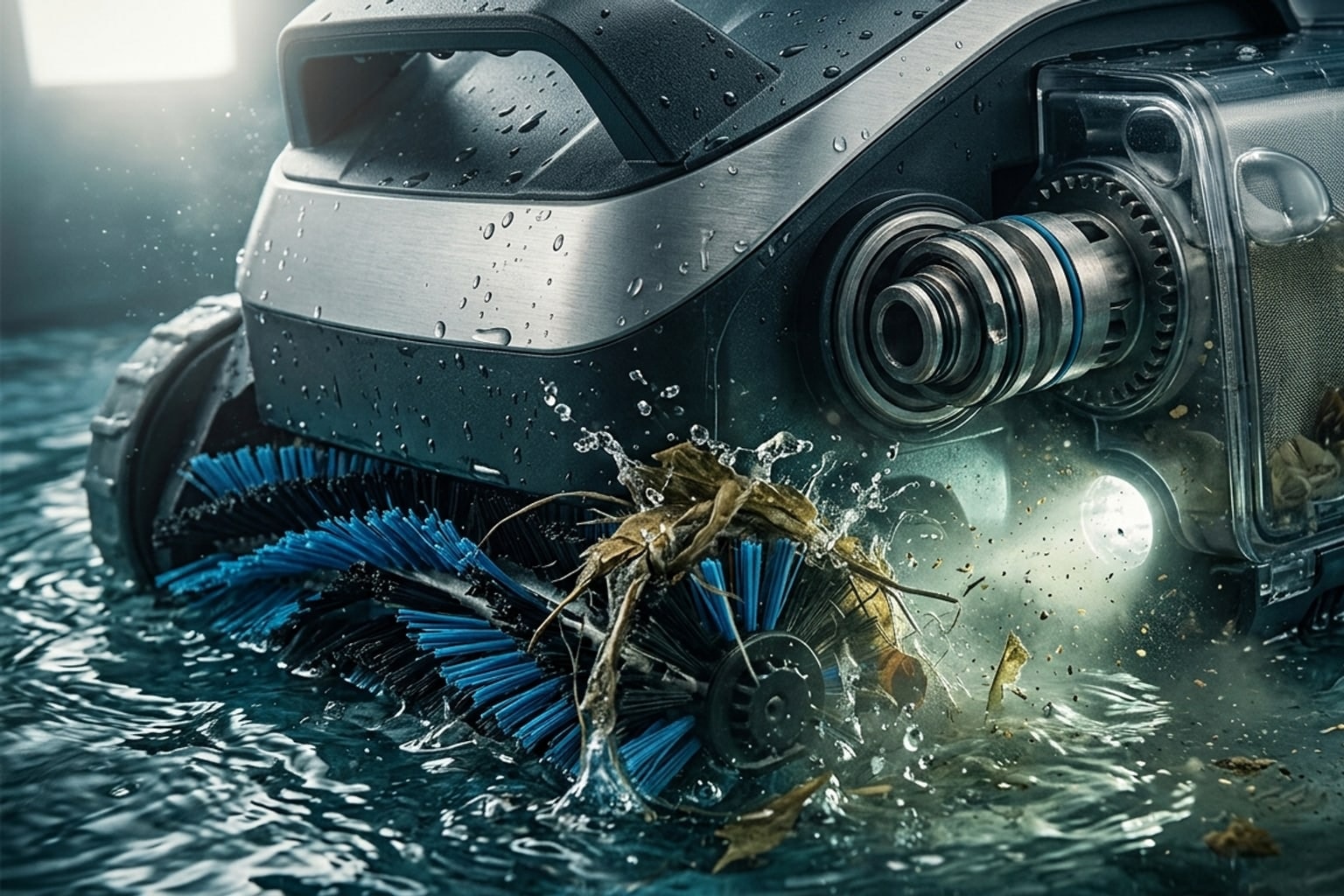
The review arrives right at the peak of the summer season, a time when consumers are actively researching premium pool maintenance solutions. According to the assessment, the robot excels in specific areas: its AI navigation is highly effective at quickly hunting down submerged debris, and the overall floor cleaning quality is rated very good.
Also, the inclusion of 5GHz Wi-Fi support addresses connectivity bottlenecks that often plague outdoor smart devices. Still, these technological triumphs are overshadowed by practical shortcomings that have sparked discussions among smart home enthusiasts and prospective buyers alike.
The catch
Consumers are trying to figure out if the $2,000 price tag is justified by the robot’s performance, or if they are essentially paying to be beta testers for unfinished software. The core of the frustration lies in the user experience. The PCWorld review points out that post-cleaning maintenance is a “nightmare,” which contradicts the very premise of buying an automated cleaner to save time and effort. Furthermore, people are dissecting the robot’s advertised features versus its actual utility. The skimming mode, a major selling point for premium pool robots, is reportedly “nearly useless.” Compounding these physical design flaws are significant digital hurdles; the device suffers from major app problems and a battery life that is deemed too limited for a machine with such high aspirations. Buyers want to know if these software bugs can be patched via future firmware updates or if the hardware limitations, like the battery capacity and physical cleanup process, are permanent dealbreakers.
What to verify
Because this is an early look at a highly complex piece of smart home technology, several aspects require further verification over the coming months. First, consumers should monitor whether Aiper releases software updates to address the reported app instability and connectivity bugs.
Second, it will be crucial to see if the company can optimize the battery performance through firmware, or if the limited runtime is a strict hardware constraint. Third, potential buyers should look for broader user reviews to determine if the nightmare physical cleanup and ineffective skimming mode are universal experiences or isolated to specific pool shapes and debris types.
Finally, tracking the manufacturer’s customer service response to these early complaints will indicate how well the brand supports its premium tier products.
Source trail
The Aiper Scuba V3 Ultra showcases excellent AI-driven floor cleaning and modern Wi-Fi connectivity, but its $2,000 price is now hard to justify. Severe app bugs, a frustrating physical cleanup process, poor battery life, and an ineffective skimming mode suggest that this ambitious pool robot was rushed to market and requires significant refinement.
This analysis is based on early hardware evaluations, primarily the detailed review conducted by PCWorld, which tested the device’s navigation, cleaning efficacy, and software integration.
Additional context about smart home trends can be explored through broader coverage of automated pool cleaners.