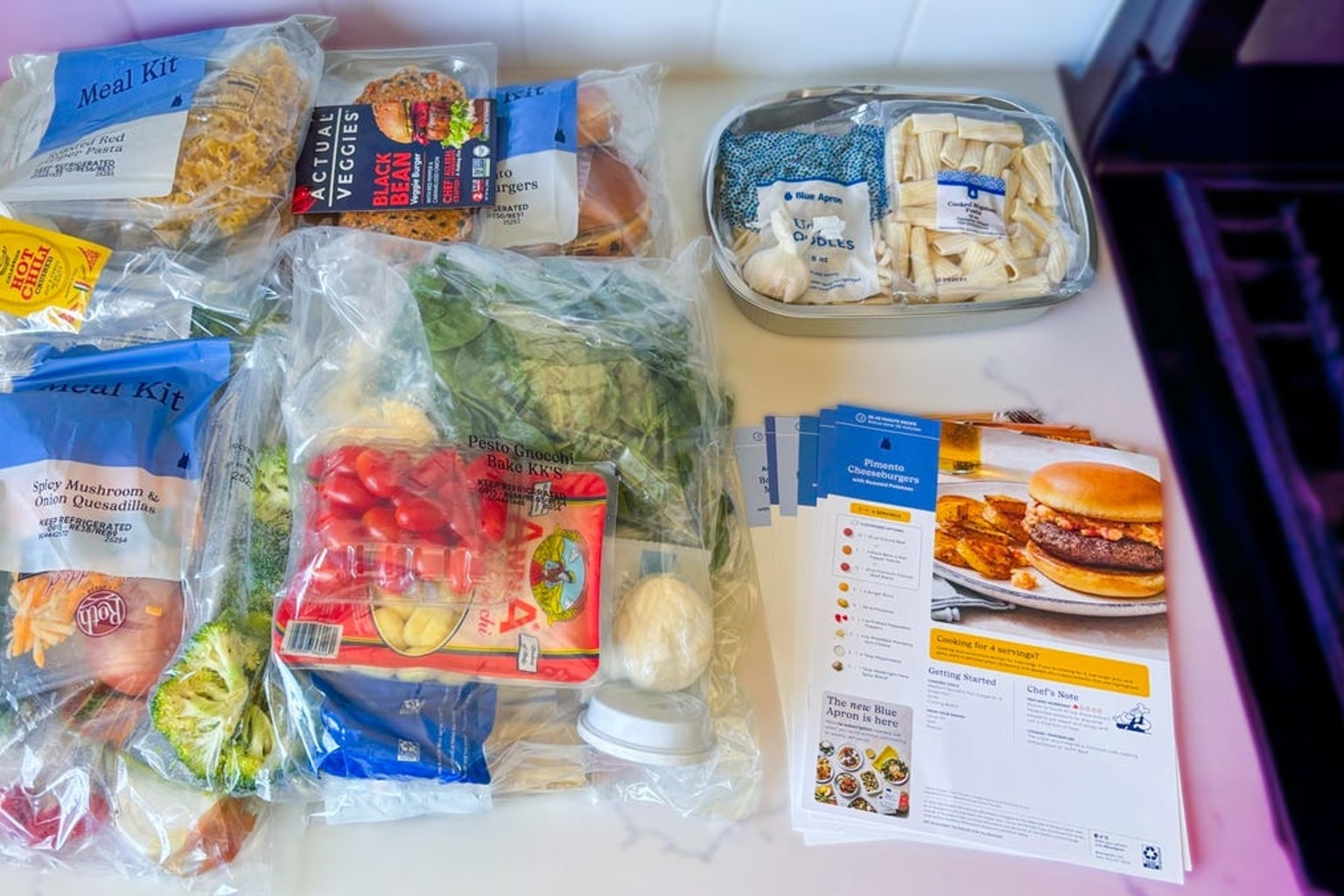
The meal kit industry has experienced a rollercoaster of consumer sentiment over the past decade. Initially hailed as the ultimate solution for busy professionals, these services eventually faced scrutiny over excessive packaging, subscription fatigue, and premium pricing.
For consumers with specific health requirements or dietary restrictions, the value proposition was often even harder to justify. Still, a recent shift in perspective from a prominent technology and lifestyle outlet is prompting a reevaluation of the sector.
The story matters because it highlights a potential turning point for consumers previously locked out of the convenience economy due to strict nutritional limitations.
Why it matters
The conversation is gaining traction following a newly published essay by CNET News. In an article titled “Yes, I Was Wrong About Meal Kits,” a previously skeptical tech and health writer details a complete reversal of their stance on subscription food delivery.
The author explicitly notes that their initial hesitation was rooted in the high costs associated with these services, combined with the complexities of managing personal dietary restrictions. For years, the prevailing narrative has been that meal kits cater primarily to a generalized palate, leaving those with specific allergies, intolerances, or rigid nutritional goals forced to either modify the provided ingredients or skip the services entirely.
When a major publication like CNET publishes a strong reversal based on a specific, albeit initially unnamed, company’s performance, it signals to the market that the logistical and culinary barriers of personalized food delivery may finally be breaking down.
The catch
Beneath the surface of a standard product review, people are attempting to decode the current economic and practical realities of the meal kit industry. The primary question revolves around the intersection of cost and customization. the practical question is whether the underlying supply chain and algorithmic meal planning have advanced enough to safely and affordably cater to niche diets without cross-contamination or repetitive menus.
Also, households are trying to gauge the true value proposition in today’s economic climate. Is the premium paid for pre-portioned ingredients effectively offset by a reduction in household food waste and the mental relief of outsourced dinner planning?
People with dietary restrictions are particularly invested in understanding whether this service relies on massive scale to offer variety, or if it uses specialized, localized kitchens. They are looking for assurance that accommodating dietary restrictions means delivering high-quality, flavorful meals rather than simply omitting restricted ingredients to leave the customer with a bland substitute.
What to verify
Because the initial signal from CNET uses a curiosity gap headline—withholding the name of the specific meal kit service in the summary—the immediate next step for interested consumers is to identify the company that successfully changed the reviewer’s mind.
Also, several critical details require independent verification. Analysts and prospective customers must determine the exact nature of the dietary restrictions discussed in the piece.
There is a vast logistical difference between accommodating a voluntary low-carbohydrate diet and safely managing severe, medically diagnosed food allergies. It is also necessary to verify the actual cost-per-serving of this specific service and compare it against the broader average of grocery inflation in the summer of 2026.
Finally, observers should check if this company’s success is an isolated anomaly or part of a broader industry trend toward hyper-personalization in food technology.
Source trail
The primary catalyst for this discussion is the recent lifestyle and nutrition feature published by CNET News. The article, released on June 20, 2026, bridges the gap between technology, convenience, and personal health.
For broader context on how the industry is evolving to meet these demands, people often turn to ongoing coverage of food technology and supply chain logistics to see how competitors are adapting to a more demanding consumer base.
A long-time skeptic with strict dietary restrictions has publicly reversed their stance on the value of meal kits, suggesting that at least one service has successfully merged culinary customization with acceptable pricing. This shift indicates that the food delivery sector may be maturing past its one-size-fits-all origins to finally serve highly specific nutritional needs.