Stylist Anna May and her creative team launched a new physical print publication called MISC magazine. The project serves as a direct, tangible response to artificial intelligence rapidly replacing human creators in editorial imagery.
What happened
May and her colleagues work deep inside the creative industries. They watched generative AI tools flood their field with synthetic editorial images.
Instead of just complaining about the software, the crew decided to make something entirely real. They built MISC magazine from the ground up as a physical artifact.
The publication focuses strictly on human effort and tangible materials. It highlights the physical work of wardrobe stylists, professional photographers, and set designers.
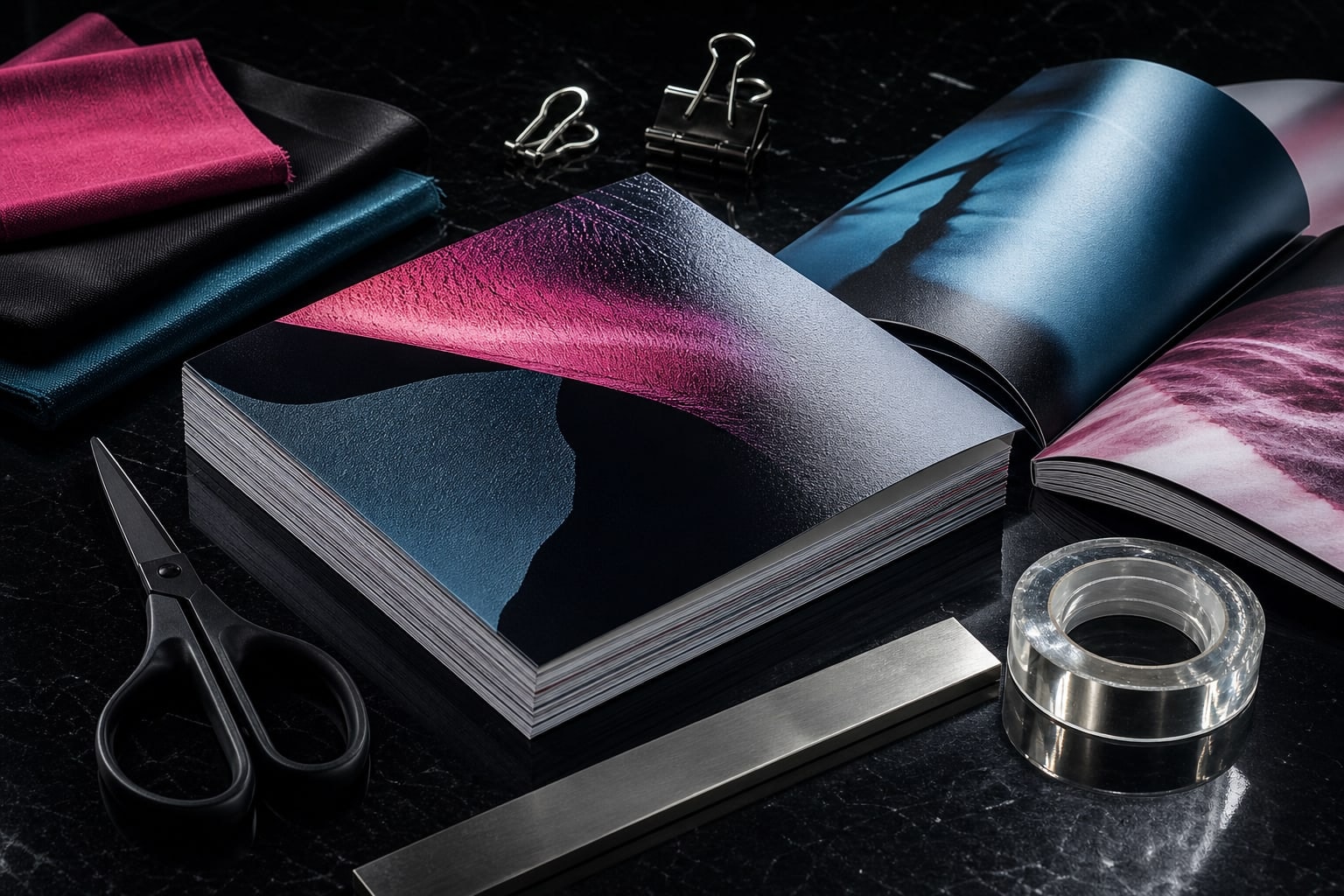
Every page features real studio lighting, actual garments, and human models. The team printed the magazine as a physical object to emphasize its authenticity.
This project required coordinating a full crew of industry professionals. They traded the instant speed of algorithmic generation for the slow, deliberate process of traditional print publishing.
The creators wanted to prove that physical media still holds value. They gathered their resources to produce a tangible product that buyers can actually hold.
Why it matters
Editorial imagery is currently undergoing a massive, rapid shift. Major publishers and fashion brands increasingly use artificial intelligence to cut costs on elaborate photo shoots.
This trend directly threatens the livelihoods of behind-the-scenes creative workers. Stylists, makeup artists, and lighting technicians lose billable hours when a computer generates the final image.
MISC magazine pushes back against this wave of digital automation. It champions the slight imperfections and spontaneous creative choices that only happen during human collaboration.
Physical media also offers a tactile experience that screens cannot replicate. Buyers can hold the textured paper, feel the ink, and know a real team built the scenes.
The magazine acts as a defiant portfolio for human talent. It shows corporate clients exactly what they lose when they skip the studio and rely on a text prompt.
By demanding physical presence, the crew reclaims the value of their specific trades. They prove that styling is a physical craft, not just a visual output.
The catch
Producing a new print magazine is a notoriously expensive endeavor. Rising paper costs, expensive printing fees, and complex physical distribution networks eat into tight independent budgets.
Independent print publications face an incredibly high failure rate. Many niche magazines struggle to secure enough advertisers to survive past their first few issues.
Furthermore, one independent magazine will not reverse a massive global technology trend. Generative AI tools continue to improve in quality and speed every single month.
Budget-conscious brands will likely keep using synthetic images for quick, disposable content. The convenience of software often outweighs the appeal of traditional craftsmanship for corporate clients.
What to verify
Check the exact print run and international distribution locations for the debut issue of MISC magazine.
Investigate the specific financial model keeping the publication afloat, such as brand sponsorships, direct subscriptions, or independent self-funding.
Verify the specific roster of photographers, models, and artists who contributed their labor to the launch issue.
Confirm whether the creators plan to release future issues on a monthly, quarterly, or annual schedule.
Source trail
Details originated from a report published by Creative Boom.
Further context on the intersection of commercial art and technology can be found through industry portals tracking the editorial imagery market.