The contemporary design studio we+ recently detailed their creative process in a new interview. The designers explained how they use material intelligence to bridge the gap between traditional craft and modern digital fabrication.
They view physical making as a vital educational tool.
What happened
Design platform designboom recently spoke with the founders of the Tokyo-based studio we+. The team explained that physical making serves as a primary method for understanding materials.
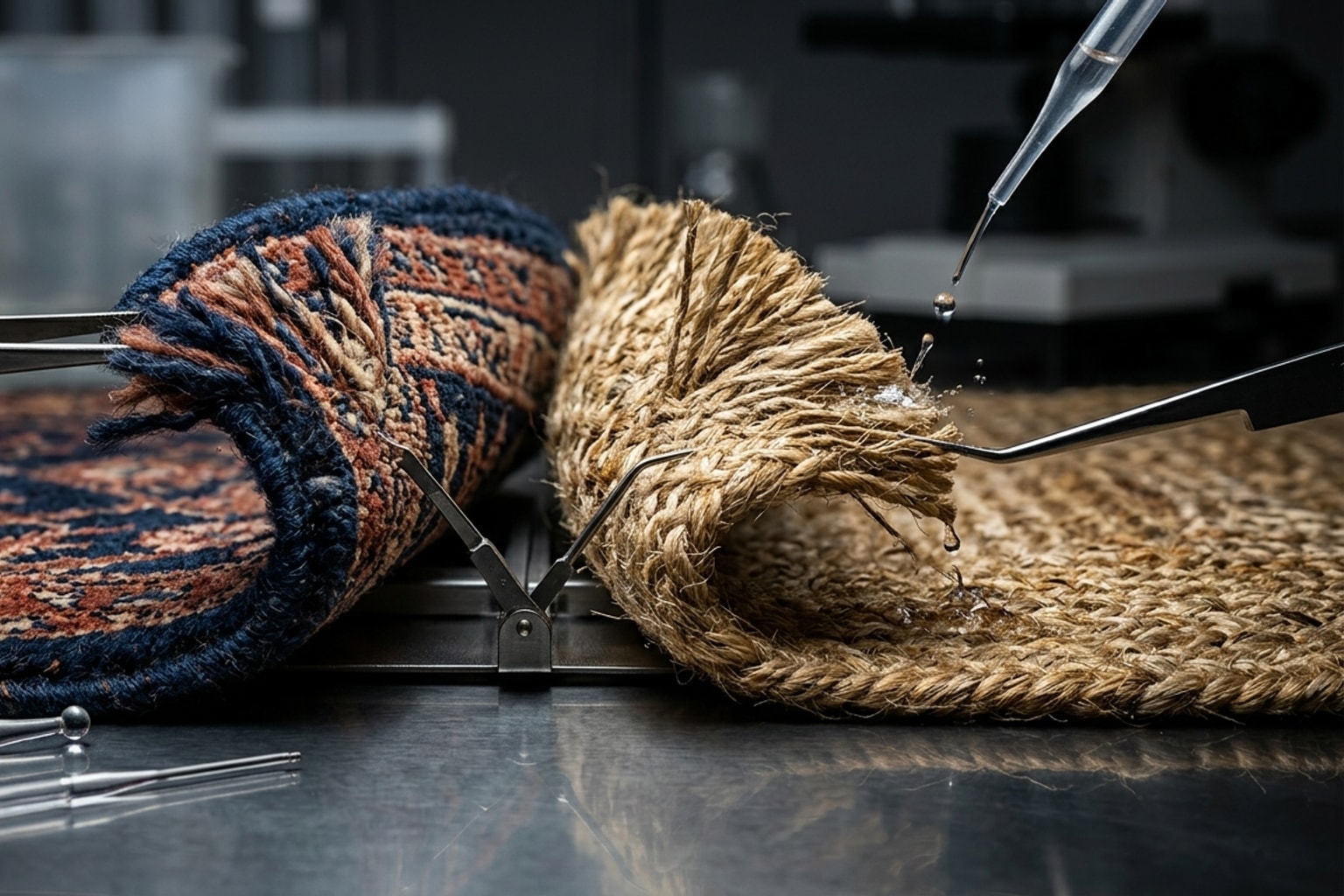
Rather than just drafting concepts on a screen, the designers test physical substances directly. They observe how different elements react to both hand-crafting and digital manipulation.
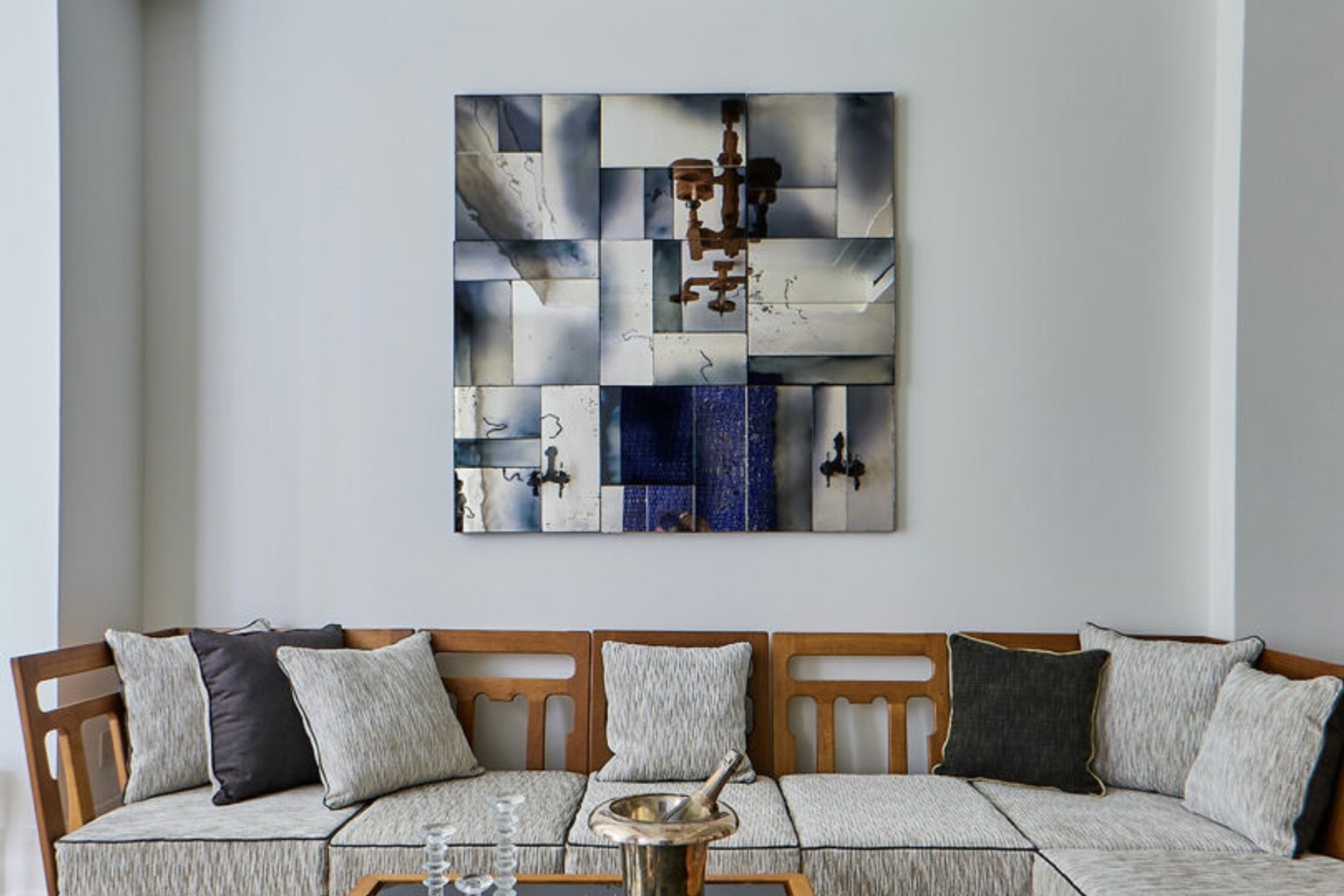
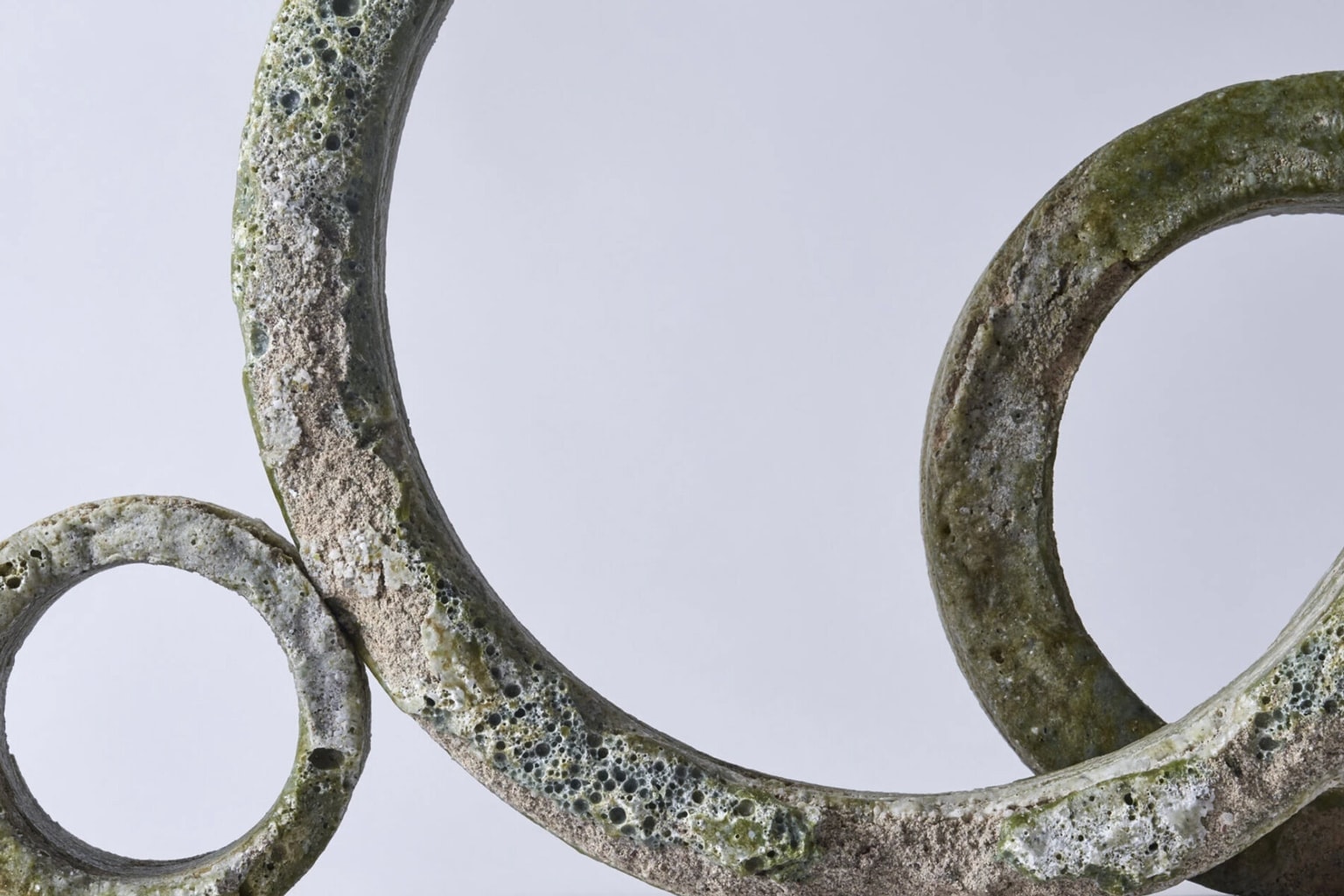
The studio’s portfolio heavily reflects this hands-on research phase. Recent material experiments include project series titled “Less, Light, Local,” “Mist,” “Refoam,” and “Remains.”
Each distinct collection tests the structural and aesthetic limits of a specific medium. The designers use these projects to uncover hidden properties in everyday materials.
This tactile focus provides a sharp contrast to purely digital design trends. For example, designboom’s recent coverage also highlighted Peter Tarka and D1 Milano’s “impossible watch.”
That specific conceptual design replaces traditional watch hands with three rotating discs. While visually striking, it leans heavily into digital rendering rather than physical material constraints.
Why it matters
Prioritizing material intelligence fundamentally changes how consumer products and art pieces are manufactured. It forces creators to respect the natural physical properties of their chosen mediums.
Modern digital fabrication often prioritizes rapid speed and exact replication. In contrast, traditional craft emphasizes unique surface textures and subtle human imperfections.
By combining these two approaches, we+ creates objects that feel both mathematically precise and naturally organic. The studio uses advanced digital tools to push traditional materials into entirely new forms.
This rigorous method often reduces manufacturing waste. It also encourages highly sustainable thinking in the studio.
When designers truly understand how a material bends, breaks, or sets, they use it much more efficiently. They avoid forcing a material to do something against its nature.
The catch
Blending ancient hand techniques with modern digital machinery is rarely a simple process. Finding the correct balance requires extensive, time-consuming trial and error.
If a studio relies too heavily on automated digital fabrication, the final product can easily feel sterile. The resulting object often loses the distinct warmth associated with human craft.
Conversely, ignoring digital tools entirely can severely limit what a modern designer can achieve. Traditional manual methods alone often struggle with complex, mathematically generated geometries.
Studios like we+ must invest significant capital and time into material research. This heavy upfront investment happens long before they ever finalize a commercial product.
What to verify
The full designboom interview details exactly how we+ applies these theories. The studio often adapts these experimental concepts for specific client commissions.
The exact chemical compositions and materials used in the “Refoam” and “Remains” collections require closer technical inspection.
The functional mechanics of the D1 Milano “impossible watch” present another area for investigation.
It remains unclear if the rotating disc concept will ever move past the digital rendering phase. The transition from a digital concept to mass production often requires major design compromises.
Source trail
The original interview discussing material intelligence with we+ was published by [designboom](https://www. designboom.
com/design/we-plus-craft-digital-fabrication-material-intelligence-interview/).
Further context on the studio’s specific material experiments can be found in their official project archives.
Additional contemporary design coverage is available on the same platform. This includes the recent feature on the [D1 Milano and Peter Tarka collaboration](https://www.
designboom. com/).