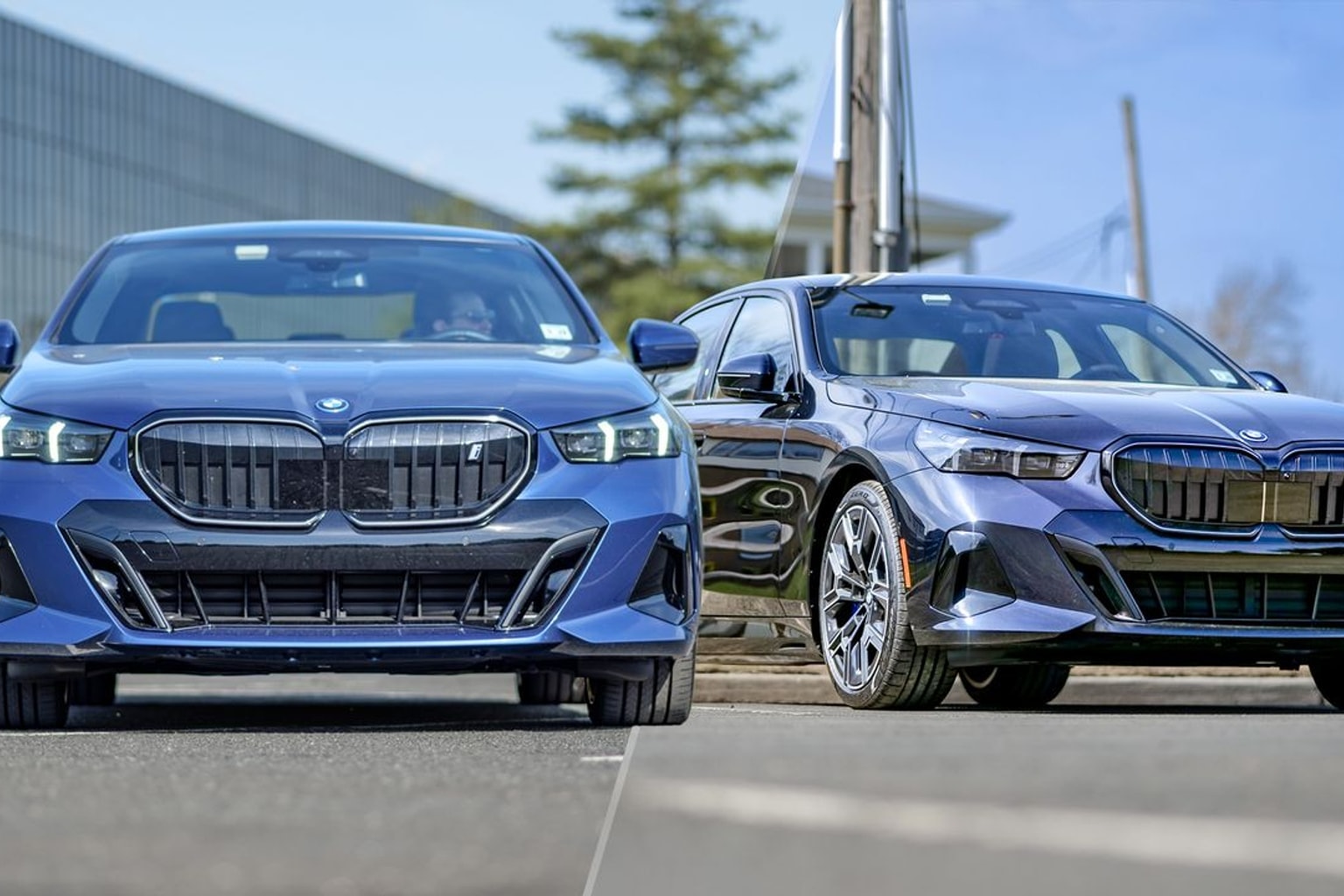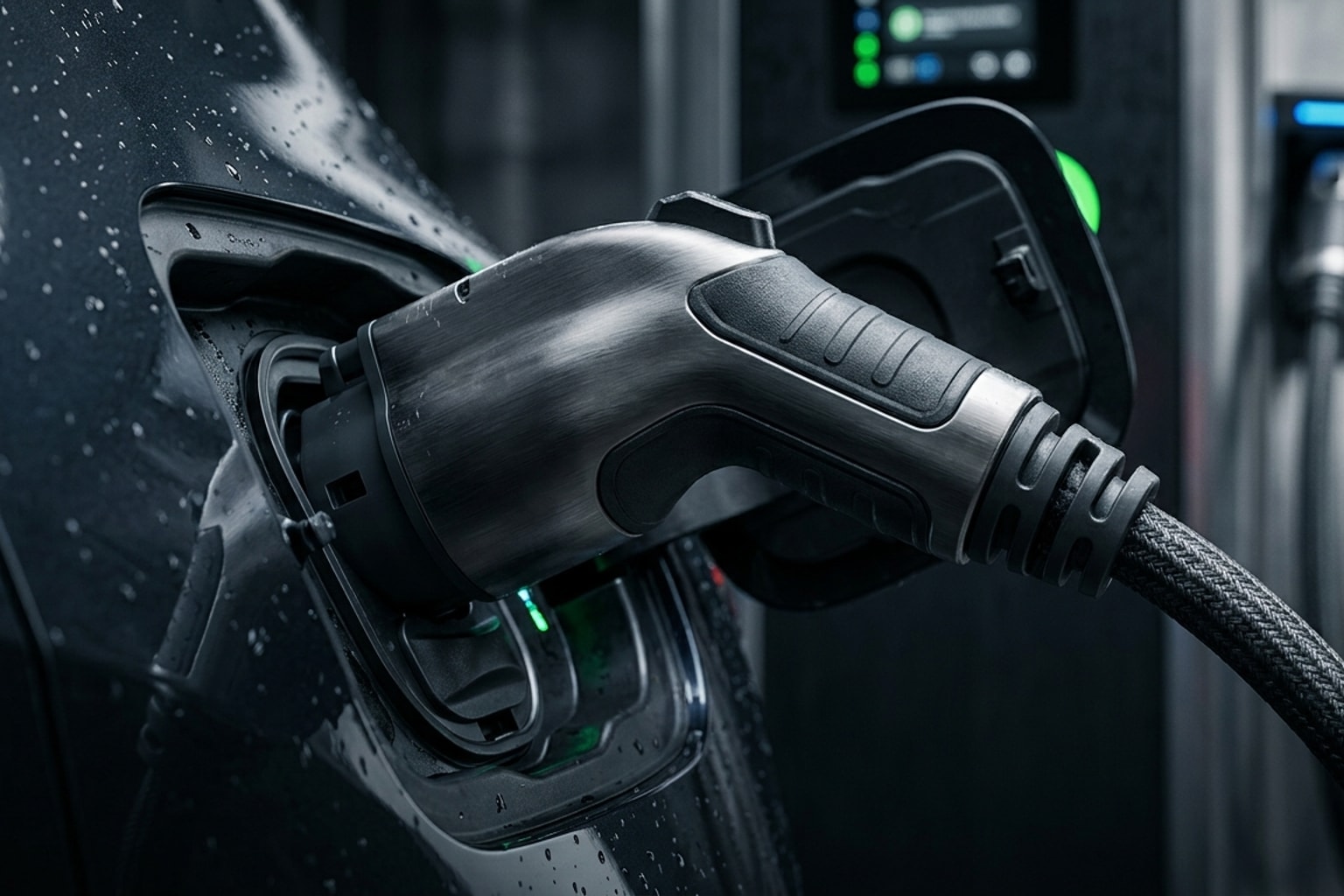
The electric vehicle market is now undergoing a significant transition in how it attracts and retains new buyers. A recent report highlights that while the golden age of unlimited complimentary charging is largely in the rearview mirror, several automakers are still offering free charging perks in 2026.
This shift reflects a maturing industry where manufacturers are carefully balancing the need to incentivize adoption against the rising costs of energy and infrastructure maintenance. For anyone weighing the shift to electric mobility, tracking these evolving financial incentives is crucial for calculating the true long-term cost of ownership and making an informed purchase that aligns with their daily driving habits.
Why it matters
The conversation around electric vehicle incentives is gaining renewed traction following a recent overview published by BGR detailing the landscape of EV charging perks in 2026. In the earlier days of the EV boom, automakers frequently bundled years of unlimited free charging to alleviate range anxiety and justify premium sticker prices.
Now, as charging networks become more congested and the volume of electric vehicles on the road increases exponentially, these once-generous offers are being restructured.
Still, the complete elimination of these perks has not yet occurred. Automakers recognize that charging costs remain a primary concern for consumers transitioning from internal combustion engines.
Consequently, they are maintaining promotional charging packages, albeit with stricter limitations. The current buzz stems from buyers actively trying to navigate these modified offers to lower their initial and ongoing ownership costs before the incentives potentially disappear entirely.
The catch
Consumers are looking past the headline promises of “free charging” to understand the actual utility of these 2026 incentives. The primary question is how these new, less generous offers impact the total cost of ownership. The central question is whether the complimentary charging is capped by a specific kilowatt-hour limit, restricted to a certain number of years, or limited to a set number of charging sessions per month.
Also, potential buyers are trying to decipher network compatibility. A complimentary charging offer is only valuable if the associated network has a robust presence in the driver’s local area or along their frequent travel routes.
There is also a growing awareness of the fine print, such as idle fees—charges incurred if a vehicle remains plugged in after it has finished charging. People are keenly interested in whether these promotional packages cover such supplementary costs or if they strictly apply to the energy dispensed.
Ultimately, the public is trying to determine if these scaled-back perks are still a deciding factor in choosing one brand over another, or if they have become mere marketing novelties.
What to verify
To fully grasp the current state of EV charging incentives, several specific details require further investigation. First, consumers should verify the exact terms offered by leading brands indicated in recent market analyses—such as BMW, Tesla, and Volvo—to see exactly how their 2026 packages differ from previous years.
Second, it is important to check the specific charging networks partnered with these automakers. Investigating the expansion plans and current reliability metrics of these networks will reveal the true value of the complimentary charging.
Also, buyers should verify whether these incentives apply uniformly across all vehicle models within a brand’s lineup, or if they are reserved exclusively for flagship or luxury models. Finally, checking how these offers apply to different financing methods—specifically whether lessees receive the same charging benefits as buyers who purchase the vehicle outright—is a critical next step for any prospective EV driver.
Source trail
While the era of boundless, unlimited free EV charging is fading, strategic buyers in 2026 can still find complimentary charging perks to help offset ownership costs. Still, these modern incentives come with more restrictions, making it essential for consumers to carefully evaluate the fine print, network availability, and usage caps before factoring them into their purchasing decisions.
This analysis is based on reporting from BGR, specifically their June 2026 coverage titled “These EVs Still Offer Free Charging In 2026,” which explores how automakers are continuing to use charging incentives to lower EV ownership costs. For more details on the evolving electric vehicle market, the source trail includes the original BGR technology and automotive coverage.
What to watch next
The useful follow-up is not only that These EVs Still Offer Free Charging In 2026 is circulating, but whether the next reports add verifiable detail: dates, locations, measurements, documents, expert review, or a primary record that the public can inspect. The source trail includes more BGR coverage while watching for primary-source updates. Until those details are public, the careful version is to treat the story as interesting evidence in motion rather than a finished conclusion.
That is also why the story is worth treating carefully. It gives the update a concrete object or event to follow, but it should travel with the limits still attached: what is known now, what remains provisional, and what would make the claim stronger when the next update arrives.