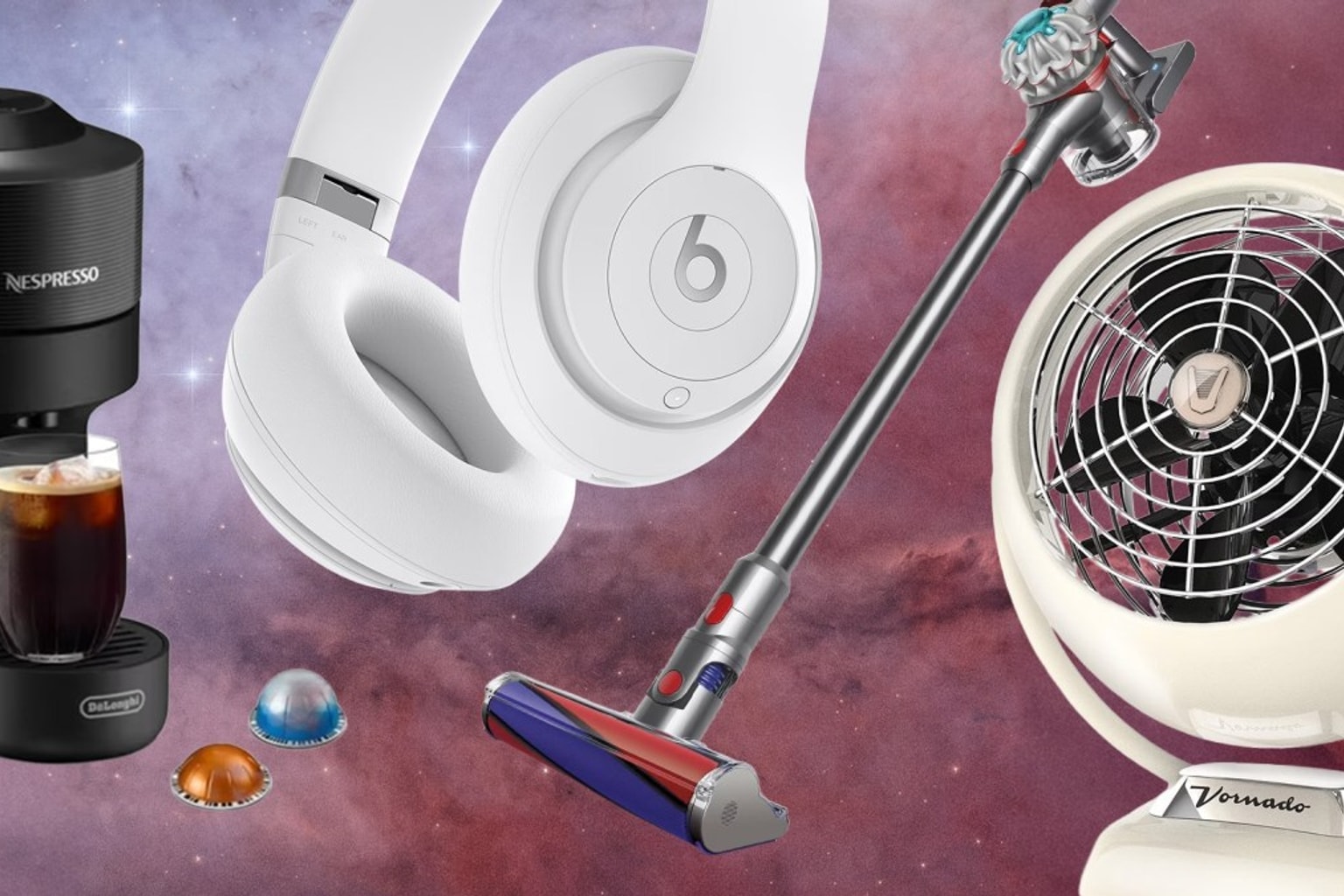
The summer shopping season is officially kicking off ahead of schedule. With Amazon shifting its massive annual sales event to an earlier slot on the calendar, consumers are already seeing aggressive preemptive discounts.
For anyone tracking consumer technology prices, this early retail maneuvering offers a fascinating glimpse into how major platforms compete for consumer dollars before the main event even begins. This shift in the retail calendar is a compelling development useful for anyone now holding out for mid-summer electronics upgrades, as waiting for the official start date might mean missing out on current record-low prices.
Why it matters
According to recent reports, Amazon’s highly anticipated Prime Day is slated to begin on June 23rd, a date that lands notably earlier than the company’s usual mid-summer scheduling. Still, the retail giant is not waiting for the official kickoff to begin slashing prices on high-demand consumer electronics.
The momentum is now building around preemptive sales, most notably featuring Apple’s AirPods Pro 3.
These premium wireless earbuds are now listed at their lowest historical price points. Interestingly, this aggressive pricing strategy is not isolated to Amazon’s platform alone.
Reports indicate that competing retail behemoths, specifically Walmart, are already matching these early discounts. This immediate price-matching indicates a highly competitive landscape where retailers are eager to capture early consumer spending before the June 23rd event officially launches.
The catch
Beyond the immediate gratification of securing a discount on premium audio gear, consumers are attempting to navigate a shifting retail strategy. The primary question driving consumer interest is whether these preemptive deals represent the absolute price floor, or if holding out for June 23rd will yield even steeper discounts. Historically, when retailers offer unprecedented pricing ahead of a major sales event, it signals an attempt to lock in consumer budgets early before competitors can react.
Shoppers are also trying to parse how this earlier-than-usual Prime Day alters the broader summer retail landscape. When a dominant platform moves its timeline forward, it forces the entire e-commerce sector to adapt, leading to a cascade of promotional events across competing storefronts.
The practical demand is for clarity on whether the current pricing on items like the AirPods Pro 3 is a genuine anomaly or simply the new baseline for the summer sales season.
What to verify
As the June 23rd start date approaches, several key factors require ongoing verification. First, consumer advocates and tech reviewers will need to monitor the inventory levels of these heavily discounted items.
Early sales often carry the risk of stock depletion, meaning the AirPods Pro 3 could potentially sell out before the primary event officially begins.
Second, market watchers must verify if other highly sought-after consumer electronics will see similar preemptive price reductions, or if this aggressive early discounting is limited to specific flagship products. Finally, it remains to be seen how other major retail competitors will respond in the days immediately preceding the event.
Tracking whether additional outlets introduce unannounced flash sales will be crucial for consumers looking to maximize their purchasing power.
Source trail
The traditional summer sales timeline has been significantly accelerated this year, with a major retail event scheduled for an early June 23rd launch. In response, major retailers are already offering unprecedented discounts on premium items, forcing consumers to weigh the benefits of buying immediately versus waiting for the official event.
This analysis is based on early deal tracking and retail reporting by The Verge, which highlighted the shifting schedule for Amazon’s Prime Day and the corresponding price drops at competing retailers.