Antoni Gaudí’s architectural legacy remains one of the most distinctive and celebrated in the world, inextricably linked to the cultural identity of Catalonia. This year marks a significant milestone: the centenary of the legendary architect’s passing.
To commemorate this historic occasion, leading design publications are turning their focus back to the streets of Barcelona, where Gaudí’s most famous structural achievements still stand. Architectural enthusiasts and travelers alike will find this retrospective an essential read to share with anyone planning a pilgrimage to Spain or seeking inspiration from the pinnacle of Catalan Modernism.
Why it matters
The current surge in attention surrounding Antoni Gaudí stems directly from the ongoing centenary observances marking one hundred years since his death in 1926. Design and architecture magazine Dezeen has launched a dedicated Gaudí Centenary series, recently highlighting seven of his most iconic structures.
All seven of these highlighted masterpieces are located in Barcelona and hold prestigious UNESCO World Heritage status.
Centenaries naturally prompt a re-evaluation of historical figures, and in Gaudí’s case, the milestone provides a structured opportunity to examine how his radical organic style has aged. The conversation is moving beyond simple tourist admiration and shifting toward a critical appreciation of his structural ingenuity.
Highlighting these seven specific UNESCO-listed properties—which represent the pinnacle of his career—serves as an anchor for broader discussions about preservation, urban planning, and the enduring influence of his unique aesthetic on contemporary design.
The catch
Beyond the sheer visual spectacle of Gaudí’s work, people are looking to comprehend the specific architectural vocabulary that earned these seven buildings their UNESCO World Heritage designations. Audiences want to unpack the mechanics and symbolism behind his famous facades.
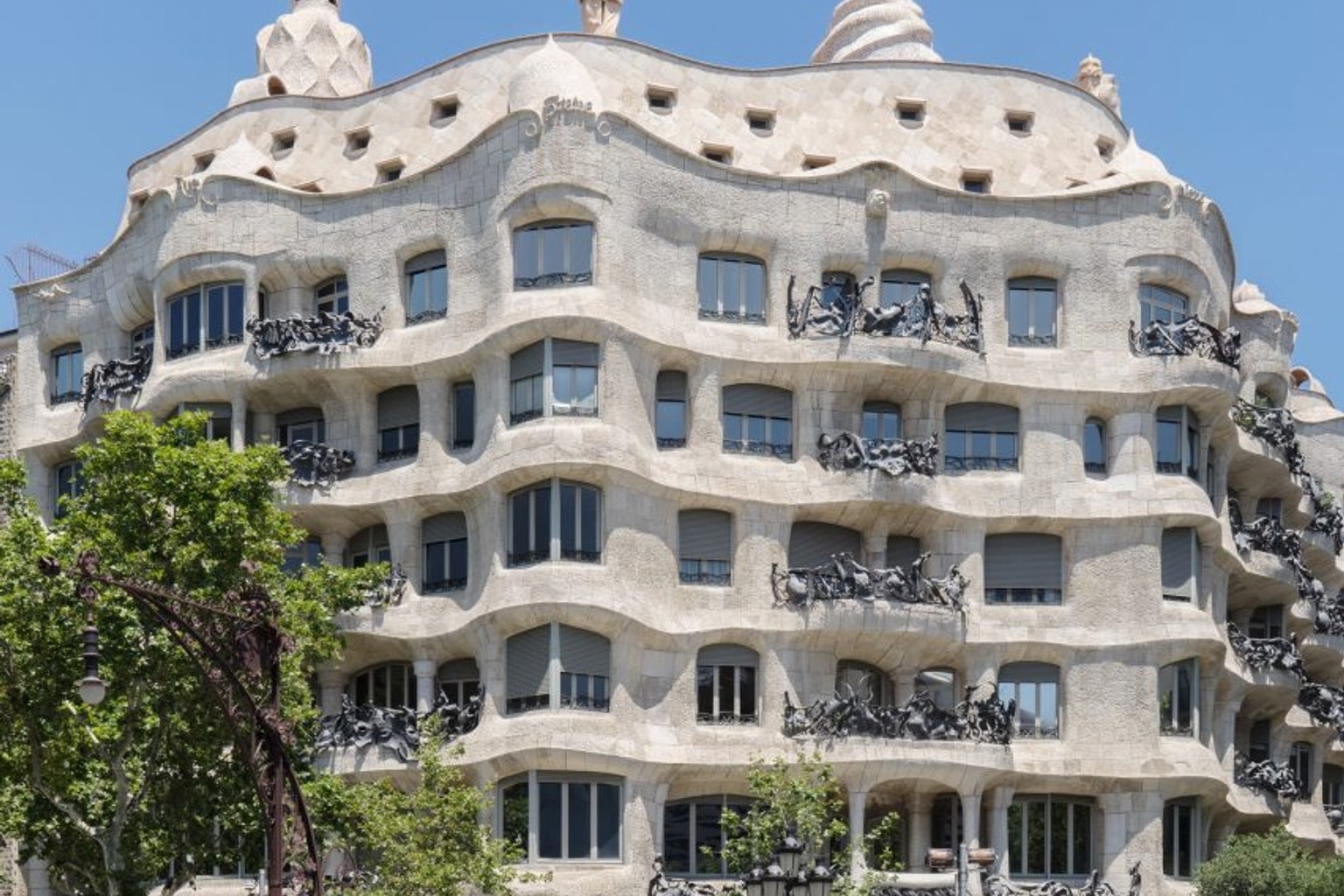
For example, Casa Batlló is frequently cited for its highly unconventional exterior. People are eager to understand how Gaudí integrated skeletal shapes, intricate mosaics, and a scaly, reptilian roof into a cohesive, functional residential building.
They are attempting to bridge the gap between his seemingly fantastical, dream-like visions and the rigorous engineering required to make them stand. Also, there is a deep curiosity about how these seven buildings collectively chart the evolution of Catalan Modernism, illustrating Gaudí’s transition from early orientalist influences to his mature, nature-inspired organicism.
the practical question is why these specific seven structures, out of his entire portfolio, were deemed universally significant enough to warrant global protection.
What to verify
While the centenary provides a focal point, several practical and historical details require further verification for those looking to engage deeply with the subject.
- Centenary Programming: Observers should check for official schedules of exhibitions, academic symposiums, and public events in Barcelona specifically tied to the 2026 centenary celebrations.
- Conservation Status: It is worth verifying the current preservation efforts at these seven UNESCO sites, especially considering the massive influx of tourism Barcelona experiences and how it impacts these delicate historical structures.
- Sagrada Familia Progress: Given the centenary milestone, the next step is to verify the latest construction timelines for the Sagrada Familia, which has historically targeted 2026 for the completion of its major towers.
Source trail
The foundational signal for this architectural retrospective comes from Dezeen, which recently published a roundup of Gaudí’s seven UNESCO-listed buildings as part of their ongoing Gaudí Centenary series. For broader context on the specific criteria that elevate these sites to global importance, the UNESCO World Heritage Centre provides the official documentation and history of their inclusion.
- The architectural world is currently celebrating the centenary of Antoni Gaudí’s death.
- Recent retrospectives are focusing on his seven UNESCO World Heritage-listed buildings located in Barcelona.
- Masterpieces like Casa Batlló are being re-examined for their innovative use of skeletal structures, mosaics, and organic forms.
- The centenary is prompting renewed interest in the engineering and preservation of Catalan Modernism.
What to watch next
The useful follow-up is not only that Seven UNESCO-listed buildings by Catalonia’s greatest architect is circulating, but whether the next reports add verifiable detail: dates, locations, measurements, documents, expert review, or a primary record that the public can inspect. The source trail includes more Dezeen coverage while watching for primary-source updates. Until those details are public, the careful version is to treat the story as interesting evidence in motion rather than a finished conclusion.
That is also why the story is worth treating carefully. It gives the update a concrete object or event to follow, but it should travel with the limits still attached: what is known now, what remains provisional, and what would make the claim stronger when the next update arrives.