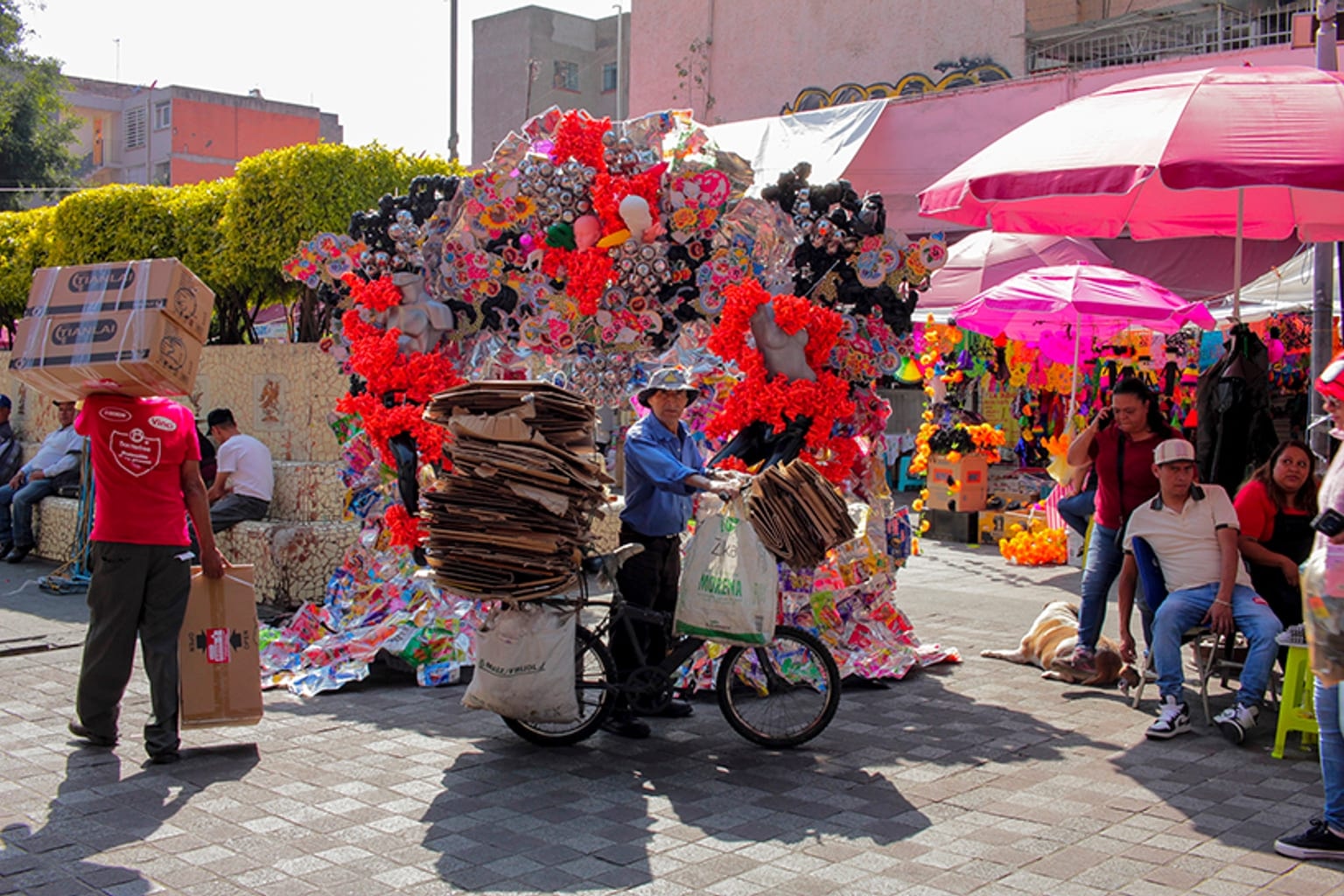
In the grand tradition of art that challenges our perception of value, a new aesthetic movement is turning the mundane detritus of modern life into hyper-ornate masterpieces. Discarded plastic cups, mannequins, and even Cheetos suspended in resin are being reconfigured into sprawling, sculptural architectural installations.
This striking visual phenomenon is now making waves in the design world, rebranding the aesthetic of mass consumption as a form of new-age Mexican Baroque. For anyone fascinated by how contemporary material culture intersects with classical art history, this emerging trend is a compelling story worth sharing and dissecting.
Why it matters
The sudden surge of interest stems from a recent feature in the prominent design and architecture publication designboom, which highlighted these unique installations under the conceptual umbrella of “Alburrigueresco.” This term—suggested by the project’s digital footprint—appears to playfully fuse the highly elaborate “Churrigueresque” style of Spanish and Mexican Baroque architecture with modern cultural elements.
Right now, audiences are captivated by the sheer audacity of the materials used. Traditional Mexican Baroque is famous for its dizzying, gold-drenched ornamentation, where every square inch of a church altar is covered in carved cherubs, vines, and saints.
In this contemporary reimagining, that same horror vacui—the fear of empty space—is satisfied by everyday market objects. By elevating cheap, disposable items into the realm of high architectural sculpture, the project forces a conversation about what society now worships and preserves.
The catch
At the core of this viral design moment is a question of permanence versus disposability. People and art enthusiasts are trying to unpack the symbolic weight of encasing a perishable, mass-produced snack like a Cheeto in indestructible resin. By freezing these items in time and embedding them into grand, mannequin-studded installations, the artist is creating a “meta-architecture” of contemporary material culture.
the practical question is if this is a critique of hyper-consumerism or a genuine celebration of everyday aesthetics. The juxtaposition is jarring: mannequins, often associated with fast fashion and retail commerce, are structurally integrated with cheap plastic cups to mimic the grand columns and arches of historic cathedrals.
Does casting a fluorescent orange snack food in resin equate it to the precious gemstones of antiquity? The work seems to suggest that our modern relics are not made of marble and gold, but of synthetic polymers and processed corn.
It is a mirror reflecting the reality of globalized consumer markets back onto the viewer, wrapped in an undeniably complex visual package.
What to verify
Because this conceptual framework is still emerging into the mainstream design consciousness, several practical details require further investigation. Art critics and journalists will need to confirm the physical location and scale of these installations.
Are they now accessible to the public in a specific gallery or museum in Mexico, or are they primarily digital and conceptual renderings meant for online consumption?
Also, more context is needed about the artist, Alfredo Tamayo, whose name is linked to the project’s initial publication. Observers should look out for upcoming artist statements or exhibition catalogs that might clarify the specific manufacturing processes used to safely cast these perishable items in resin on an architectural scale.
Finally, it remains to be seen if this specific aesthetic will inspire a broader movement among Latin American contemporary artists or if it will stand alone as a singular, provocative experiment.
Source trail
A new wave of sculptural installations is redefining the boundaries of the Mexican Baroque style by swapping traditional gold leaf and religious iconography for plastic cups, mannequins, and resin-encased Cheetos. This bold meta-architecture transforms the cheap, disposable objects of contemporary market culture into elaborate, thought-provoking art.
The primary signal for this development comes from designboom’s recent coverage of the “Alburrigueresco” project, which explores the intersection of everyday market objects and new-age Mexican Baroque aesthetics.