The end of the academic year brings a massive exodus of students from university campuses. While institutions celebrate graduations, a recent report from The Cool Down highlights a less celebrated tradition tied to this seasonal migration.
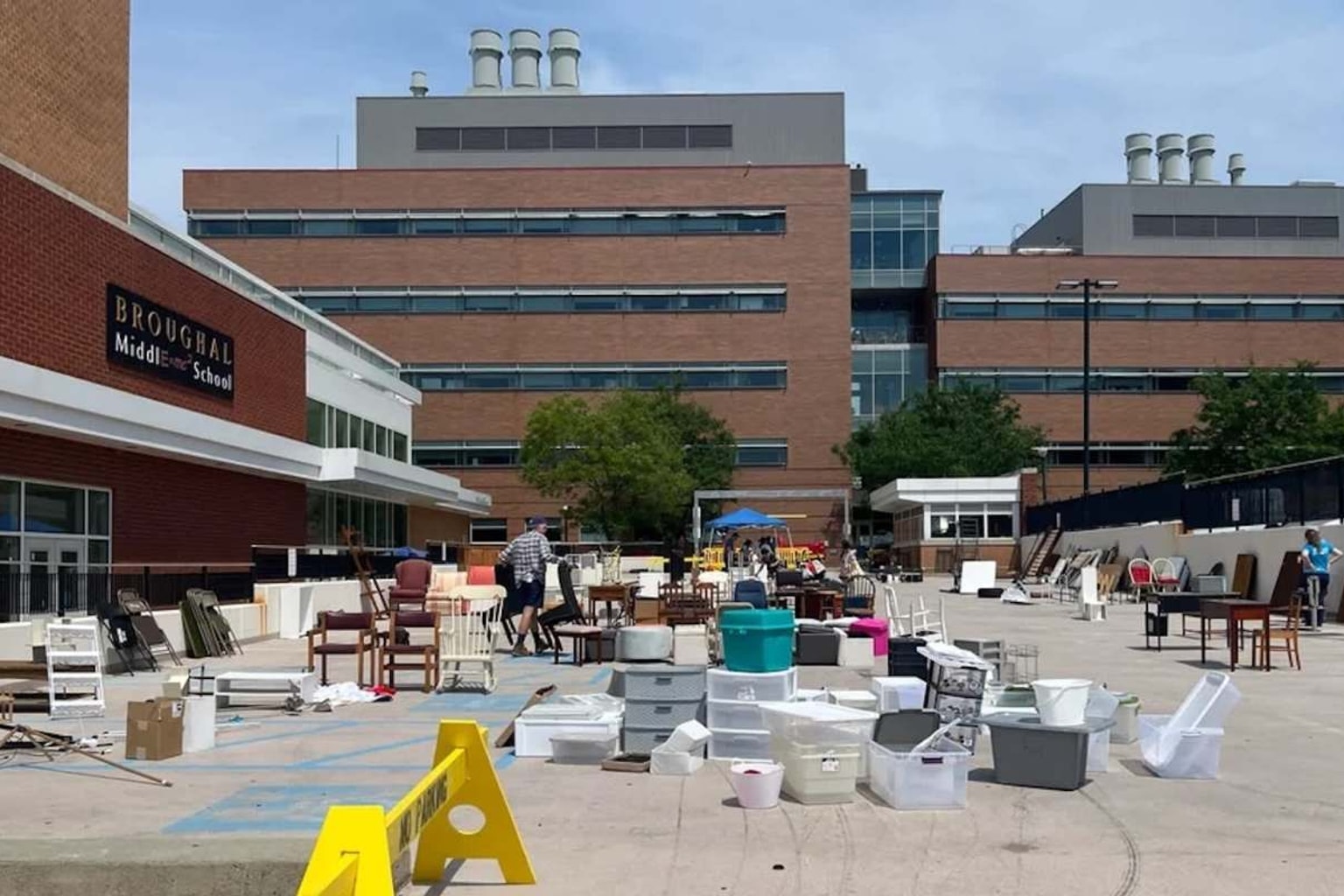
A photograph capturing the aftermath of a university resale event has surfaced, revealing a staggering accumulation of discarded goods. From functional mini-fridges to fast-furniture bookshelves and barely worn clothing, the sheer volume of perfectly usable items left behind paints a stark picture of modern campus consumption.
As the original report notes, for many exhausted students facing strict move-out deadlines, “leaving them behind is easier than packing them up.”
Why it matters
This conversation is gaining traction because the visual evidence of such immense waste transforms an abstract environmental issue into a tangible problem. During the late spring and early summer months, university towns experience a chaotic period when sidewalks and dumpsters overflow with discarded dorm essentials.
The circulation of this specific photograph taps directly into growing public anxieties about our disposable culture. When a campus resale event—an initiative designed to mitigate waste—ends with a mountain of leftovers, it forces a public reckoning.
Audiences are widely sharing this image because it serves as a powerful visual catalyst for discussions about environmental responsibility, challenging communities to rethink how they manage the rapid seasonal migration of millions of young adults.
The catch
Beyond the initial shock of the photograph, the public is attempting to unpack the systemic drivers behind this annual purge. People are questioning whether this phenomenon is simply a matter of student apathy, or a symptom of broader economic and logistical pressures. The reality of modern higher education means that many students travel out of state or internationally. This makes it financially and logistically prohibitive to transport bulky items home or rent summer storage. Furthermore, the proliferation of ultra-cheap, flat-pack furniture and fast fashion has fundamentally altered how young consumers value their possessions. When a basic area rug costs less to replace next semester than to pack and ship home today, the economic incentive tilts heavily toward immediate disposal. Observers are also turning a critical eye toward the universities themselves, wondering if these institutions are providing adequate infrastructure—such as long-term donation bins or subsidized storage—to intercept these goods before they hit the landfill.
What to verify
To fully grasp the broader implications of this event, several key details require further investigation. First, the exact location and identity of the university must be confirmed to understand their waste management policies.
Second, environmental investigators need to trace the final destination of the “leftovers” shown in the viral photo. It remains unclear whether these items were eventually salvaged by local mutual aid groups, processed responsibly by municipal recycling facilities, or simply bulldozed into a landfill.
Also, it is worth comparing these campus metrics against broader university sustainability initiatives to determine if this volume of waste is an isolated anomaly. Finally, tracking the long-term effectiveness of campus-led “zero-waste move-out” programs will help determine if administrative interventions are genuinely reducing discarded materials year over year.
Source trail
The primary signal for this ongoing discussion originates from a report by The Cool Down, a publication that covers climate solutions. Their coverage of the university end-of-year sale debate centers on the visual impact of the leftover goods and the convenience factor driving student behavior.
Further context about the environmental impact of seasonal waste can typically be found through environmental advocacy networks that track solid waste trends during peak moving seasons.
A striking photograph of unsold, abandoned goods at a campus resale event has vividly exposed the massive environmental footprint of the annual student move-out season. Driven by logistical hurdles and the low cost of replacing cheap consumer goods, students are increasingly leaving perfectly usable items behind.
This story is a crucial read for anyone looking to understand the hidden environmental costs of higher education and the urgent need for better waste infrastructure. By directly confronting the reality of our disposable culture, local communities can begin to design more effective, sustainable solutions.