The landscape of custom computer assembly is experiencing a peculiar shift. Instead of an exclusive focus on the bleeding edge of silicon technology, enthusiasts are increasingly looking backward.
According to recent industry chatter, older hardware components are experiencing a surprising renaissance, fundamentally altering how consumers approach their desktop upgrades. This unexpected pivot in hardware strategy is useful for anyone now planning a custom desktop build, as it completely changes how we calculate the price-to-performance ratio in today’s market.
Why it matters
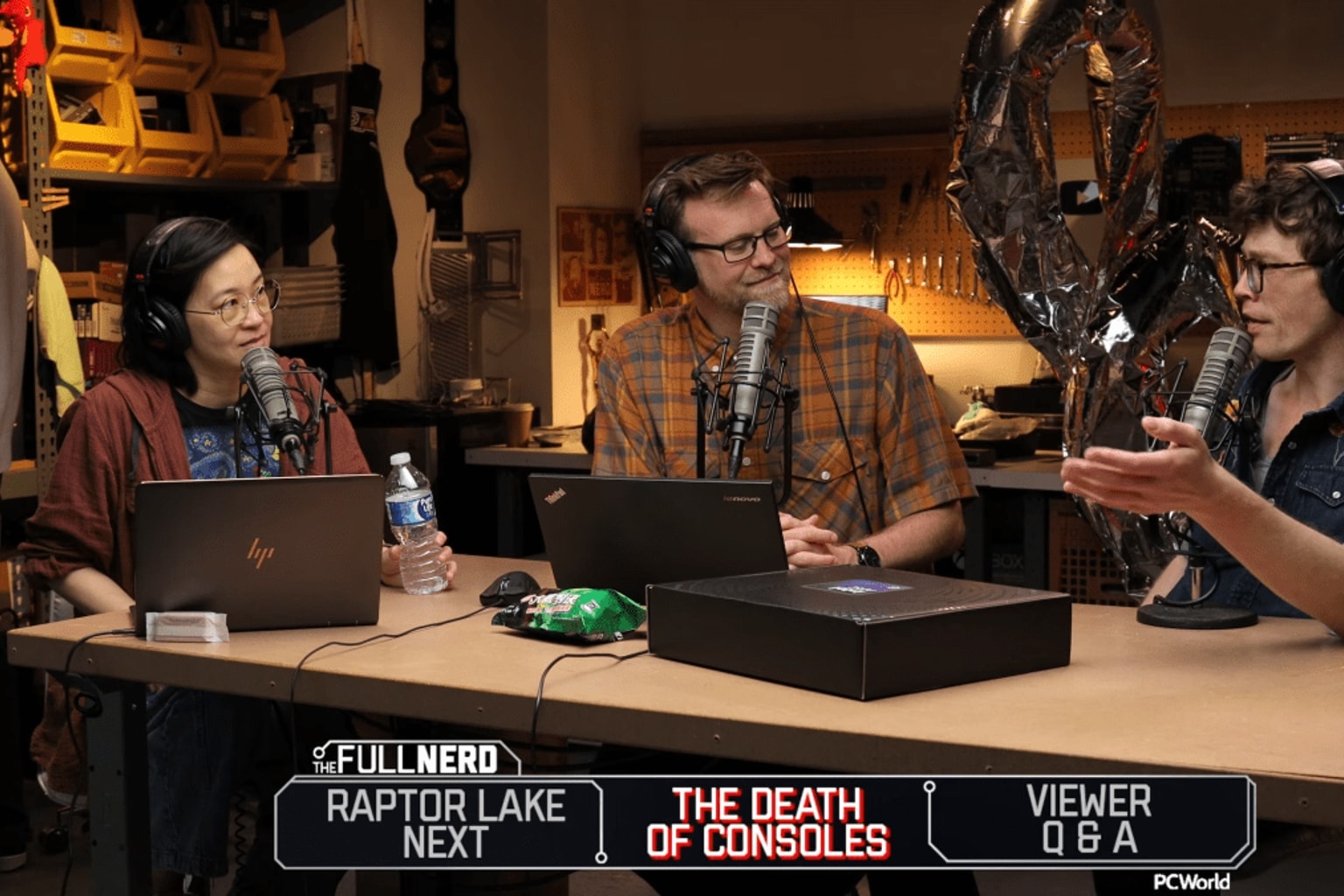
The conversation gained significant traction following a recent publication from PCWorld, specifically within their popular “The Full Nerd” newsletter and podcast series.
The June 2026 update highlights a “weird new reality” where favorite legacy components are suddenly back in high demand on the consumer menu. Context clues from the broadcast’s production assets point toward discussions around Intel’s Raptor Lake refresh leaks and broader debates on whether aggressive PC hardware pricing could ultimately threaten the traditional home console market.
When current-generation components launch with premium price tags or offer only incremental performance improvements, the community naturally pivots. Builders are seemingly realizing that components from a generation or two ago still pack enough processing power to handle modern computing and gaming workloads without breaking the bank.
The catch
At the heart of this trend is a fundamental question about consumer value. Hardware enthusiasts are trying to figure out if the return of older parts is driven by a lack of compelling new options, or if manufacturers and retailers are intentionally re-introducing legacy stock to capture the budget-conscious demographic.
Also, builders want to know exactly where the sweet spot lies. Does investing in a discounted, older-generation graphics card or a previous-tier processor mean sacrificing essential modern features, or is it the smartest financial move available?
The community is actively debating whether the performance gap between the old and the new justifies the massive price discrepancies now seen on retail shelves.
What to verify
Because the initial signals are broad, several specific data points require further investigation. First, analysts must identify precisely which legacy parts are experiencing this resurgence.
Are consumers gravitating toward specific previous-generation graphics processing units, or is the trend focused on core system components like older memory standards and previous-generation motherboard sockets?
Second, it is crucial to monitor inventory levels and pricing trends across major electronics retailers to confirm if this is a sustained market shift or a temporary blip caused by seasonal clearance sales. Finally, independent benchmarks comparing these newly popular legacy parts against current entry-level hardware will be necessary to validate the community’s shifting purchasing logic.
Source trail
The primary signal for this market movement originates from a recent dispatch of “The Full Nerd,” a long-running hardware-focused series by PCWorld. The latest edition, published in mid-June 2026, officially introduced a new writer, Alex, who joins established hosts Alaina and Adam in dissecting the industry’s strange new trajectory.
Those interested in the granular details of hardware benchmarks and weekly tech analysis can trace the ongoing conversation directly through PCWorld’s hardware coverage.
The custom PC building community is navigating a fascinating era where the newest silicon is no longer the default choice. Driven by shifting price-to-performance metrics and a re-evaluation of what constitutes enough power, veteran components are reclaiming their spot in modern desktop chassis.
For now, the smartest builders are keeping their options open, proving that sometimes the best upgrade is a strategic step into the past.