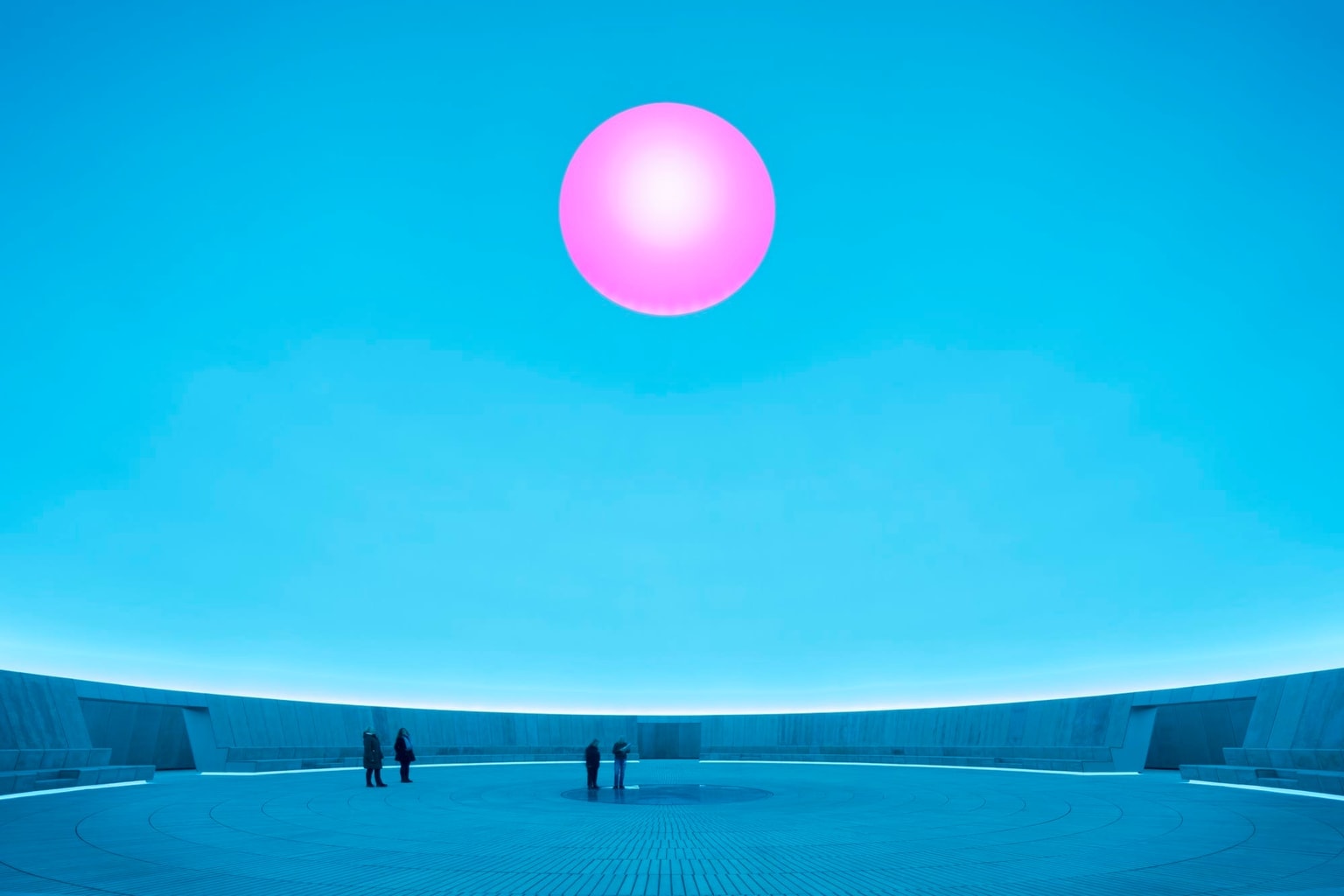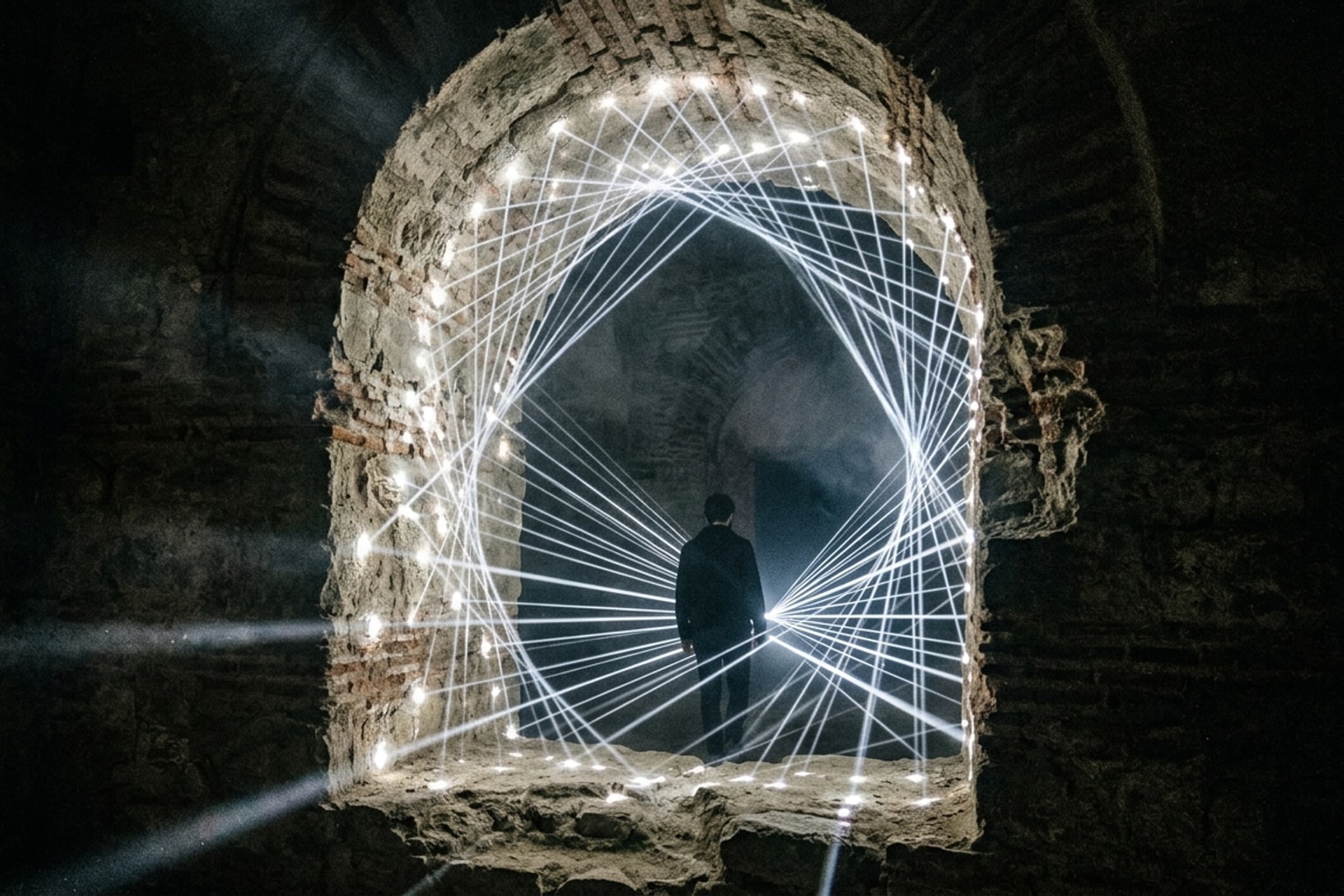
Polish artist Karolina Halatek has unveiled “Echo,” a new light installation in Istanbul. The artwork uses intense illumination to create a temporary architectural space.
It forces visitors to navigate a glowing field that alters their physical perception.
Why it matters
The project recently debuted in Istanbul, drawing immediate attention from the global design community. Immersive light art often relies on complex digital projections or screens.
Halatek takes a distinctly different path.
She uses pure, intense light to build walls and corridors out of thin air. This stark approach is sparking fresh conversations about how physical spaces dictate human senses.
The installation strips away the usual digital noise found in modern immersive art. It avoids the trend of projecting moving images onto walls.
Instead, it leaves people with a raw, almost clinical sensory encounter.
This makes the project highly visible for anyone tracking modern architectural art. The stark visual impact translates exceptionally well to digital platforms.
This striking aesthetic is driving wider interest across the internet.
The catch
“Echo” functions as a calculated perceptual trap. It deliberately blurs the rigid boundaries between the human body, physical structures, and pure light.
Halatek designs these specific environments to disorient and then center the visitor. The installation acts as an absolute blank canvas.
It removes shadows, corners, and standard visual anchors.
People stepping inside often lose their normal depth perception immediately. The floor and walls seem to vanish into a continuous, unbroken white void.
This sudden sensory deprivation forces a deep awareness of physical movement. The architecture is no longer made of concrete, steel, or glass.
It is constructed entirely of photons.
This glowing environment forces an immediate physical reaction. The human eye struggles to find a reliable focal point.
The body must adjust to a space that feels infinite but remains strictly contained.
Halatek has explored these themes before in her artistic career. She consistently uses light as a sculptural medium rather than just a practical tool for illumination.
Her work demands active participation rather than passive observation.
What to verify
The exact gallery or public venue hosting “Echo” requires independent confirmation. Art publications frequently highlight the visual impact before listing practical exhibition details.
The overall duration of the installation in Istanbul is also now unclear. Temporary light works usually run for a few weeks to a few months before being dismantled.
The specific lighting technology used to achieve this seamless glow needs technical verification. It is worth checking if the artist used specialized LED arrays or custom diffusers to eliminate shadows.
Safety protocols for visitors also need a closer look. Intense optical environments sometimes require specific medical warnings for people with light sensitivities.
Source trail
Designboom covered the initial release of the project in late June. Their report highlights the direct interaction between the light field and the human body.
The design platform noted the immersive qualities of the architectural space. Observers can view the original coverage of Karolina Halatek’s installation on Designboom.
Further details about the artist’s past projects and technical methods are often documented on contemporary art databases.
“Echo” turns pure light into a structural building material in Istanbul. The installation strips away ordinary visual cues to create an intense, disorienting physical experience.
This stark manipulation of space makes the artwork a compelling subject for anyone interested in experimental design. It proves that architecture does not always require solid materials to powerfully shape human behavior.
What to watch next
The useful follow-up is whether the next reports add verifiable detail: dates, locations, measurements, documents, expert review, or a primary record. The source trail starts with the original designboom report and more designboom coverage while watching for primary-source updates.
Until those details are public, the careful version is to treat the story as interesting evidence in motion rather than a finished conclusion.
That is also why the story is worth treating carefully. It gives the update a concrete object or event to follow, with the limits still attached.