The world of contemporary furniture design often leans heavily on industrial metals, synthetic polymers, and rigid geometric forms. Yet, the work of the late Polish designer Paweł Grunert stands as a striking counter-narrative to this mechanized approach.
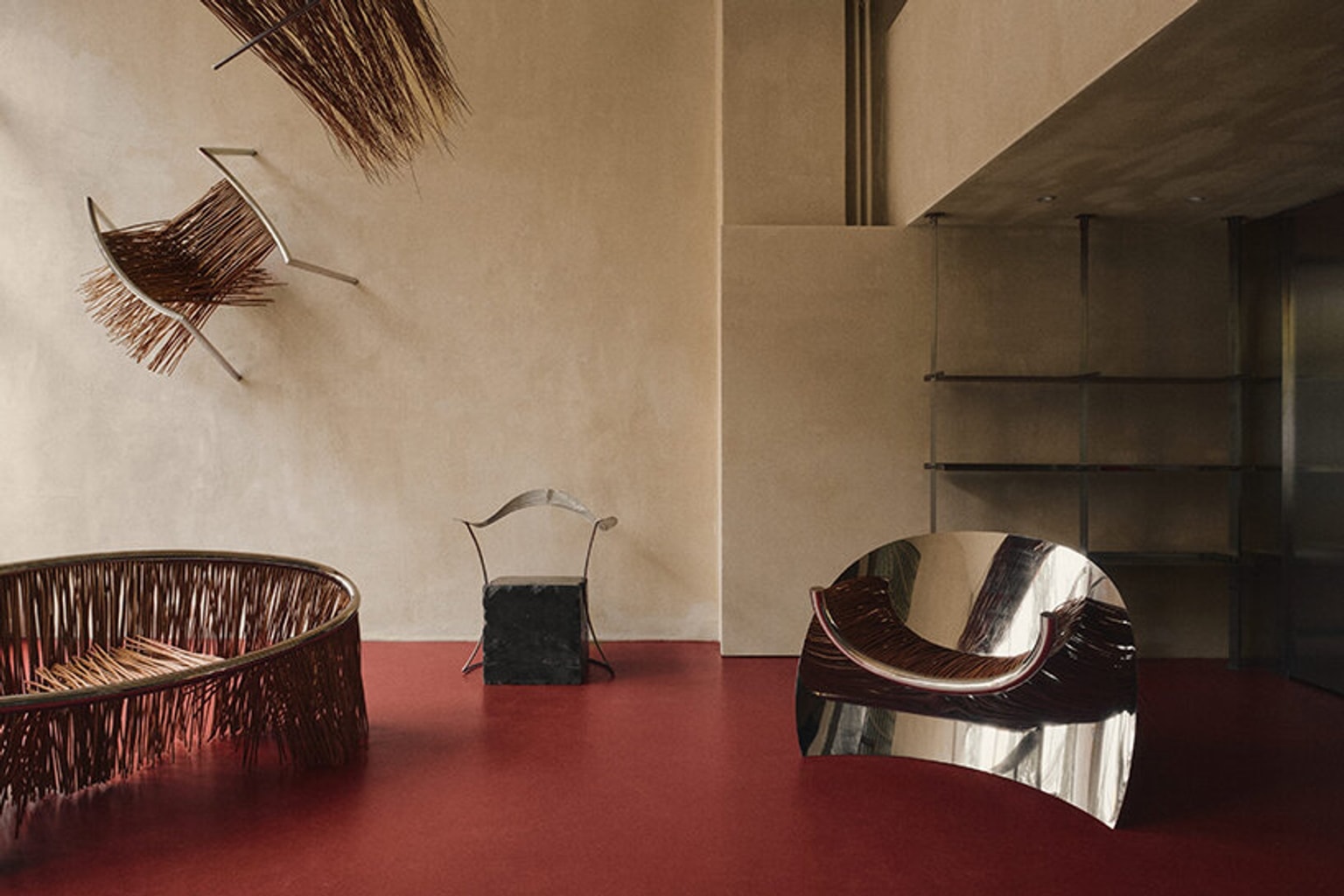
Grunert viewed furniture not as static objects to be manufactured, but as organic entities to be cultivated. His extraordinary portfolio, which recently resurfaced in the global design conversation, shows how he transformed wicker from a traditional, predictable craft material into a living, expansive medium.
For design enthusiasts and proponents of sustainable artistry, this retrospective look at Grunert’s organic creations is a story worth sharing because it challenges our fundamental relationship with the everyday objects that occupy our homes. Instead of forcing nature into domestic submission, Grunert’s chairs appear to sprout, climb, and grow like wild vines, blurring the boundary between the forest floor and the living room.
Why it matters
The renewed interest in Grunert’s legacy stems from a recent comprehensive feature and interview published by designboom, which highlights his unique contributions to the design world. The piece, which references the work of Aleksandra Krasny and “Objekt,” serves as a poignant reminder of the designer’s visionary approach following his passing.
In an era where the design industry is increasingly preoccupied with ecological footprints and biodegradable materials, Grunert’s historical body of work feels remarkably prescient. He was not merely using natural materials; he was collaborating with them.
The current digital movement around his portfolio highlights a collective yearning for design that breathes—pieces that reject the sterility of mass production in favor of the chaotic, beautiful unpredictability of the natural world. Wicker, often relegated to quaint patio sets or traditional basketry, is elevated in Grunert’s hands to a medium of high art and profound structural experimentation.
The catch
At the core of this renewed attention is a desire to comprehend how Grunert achieved his signature aesthetic. People and design students are looking beyond the striking visual impact of his chairs to understand the philosophy and technique that drove his practice. How does one coax a brittle, dried branch into a form that looks as though it is actively growing?
Grunert’s approach required a deep, almost intimate understanding of his chosen materials. By treating wicker, roots, and branches as active participants in the design process rather than passive resources, he allowed the natural curvature and tension of the wood to dictate the final form.
The result is a collection of seating that looks less like it was built and more like it was harvested. Audiences are fascinated by this intersection of traditional craftsmanship and avant-garde sculpture.
They want to know how his techniques might inspire the next generation of designers who are now grappling with the demands of sustainable, eco-friendly production. His work suggests that the future of design might not lie in new synthetic inventions, but in a radical reimagining of ancient, natural materials.
What to verify
Because the recent signal is tied to a retrospective feature, there are several avenues that design historians and collectors will need to explore to fully contextualize Grunert’s current standing in the art market.
First, journalists should verify if there are any upcoming posthumous exhibitions, gallery retrospectives, or monographs planned by his estate or affiliated curators to celebrate his catalog. Second, the physical location and preservation status of his most iconic, vine-like chairs remain a point of interest for collectors.
Because organic materials like untreated wicker can degrade over time, understanding how these “living” pieces are being conserved is crucial. Finally, researchers should look into the broader influence of his work on contemporary Polish design schools to see if his specific methods of manipulating organic matter are being formally taught or adapted by emerging artists.
Source trail
The late Paweł Grunert fundamentally redefined the possibilities of wicker and natural wood in furniture design. By treating his materials as living, expansive mediums, he created chairs that mimic the untamed growth of vines, leaving behind a legacy that continues to inspire the sustainable and organic design movements of today.
The primary catalyst for this discussion is a retrospective feature published by designboom, detailing his work and legacy. For broader context on the evolution of natural materials in modern furniture, further context appears in the archives of the V&A Museum’s furniture collections, which document the historical shift from traditional craft to contemporary design.