The retail storefront has long relied on a ubiquitous but environmentally problematic material: the vinyl window decal. Used for seasonal campaigns, store hours, and promotional messaging, these single-use plastics are notoriously difficult to recycle and often end up in landfills.
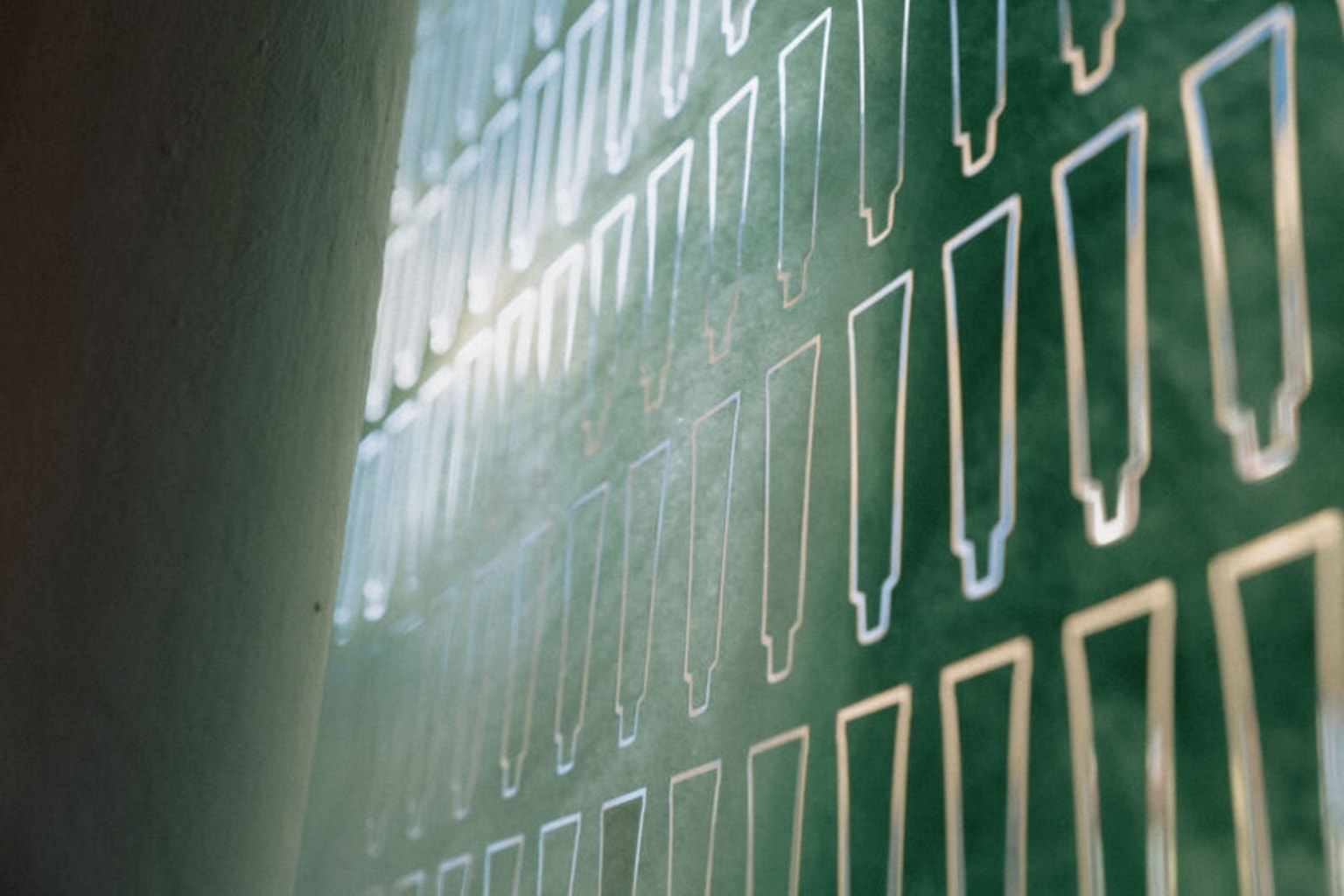
Now, known for their highly localized, architecturally distinct store designs, luxury skincare brand Aesop is experimenting with a compelling, eco-friendly alternative. Debuting at the annual 3daysofdesign festival, the brand has introduced a new bioplastic signage solution developed by the Melbourne-based design practice Other Matter.
Because the retail industry generates massive amounts of hidden plastic waste through temporary displays, this algae-based innovation is an essential story useful for anyone invested in sustainable commercial design and the future of urban retail environments.
Why it matters
The design and architecture community is now focused on the 3daysofdesign event, a major international hub for material innovation and interior trends. According to recent coverage from Design Milk, Aesop utilized this high-profile venue to test out Other Matter’s algae-based signage on its storefronts. The shift is moving the needle in design circles because it directly addresses the “invisible” waste of brick-and-mortar retail.
While consumers often focus heavily on product packaging, the temporary marketing materials plastered across storefront windows represent a significant and ongoing ecological footprint. By replacing traditional polyvinyl chloride (PVC) decals with a biodegradable, algae-derived alternative, Aesop is pushing the boundaries of what sustainable corporate communication can look like in a physical, commercial space.
The catch
Beyond the immediate aesthetic appeal of the installation, industry professionals and eco-conscious consumers are trying to understand the functional viability of algae-based bioplastics in commercial settings. Standard vinyl is favored because it is cheap, highly weather-resistant, and adheres easily to glass without leaving excessive residue. People are curious whether Other Matter’s solution can match these critical performance metrics without leaving a toxic legacy. They want to know if the material maintains its structural integrity over a typical six-week marketing campaign, or if it degrades prematurely under harsh environmental conditions.
Also, there is a broader curiosity about the actual lifecycle of this specific material. The phrase “bioplastic” is sometimes used as a catch-all term that can obscure complex end-of-life realities—some bioplastics still require high-heat industrial composting facilities to break down.
Audiences want to know if this specific algae-based decal can be dissolved or composted naturally without specialized infrastructure. Finally, observers are looking at the interactive and communicative potential of the material, wondering if its unique texture and translucency offer a new visual language that actually enhances brand identity, rather than merely serving as an invisible eco-friendly substitute.
What to verify
As this material transitions from a curated festival showcase to potential widespread use, several key factors require independent verification. First, the long-term durability of the algae bioplastic must be tested against prolonged ultraviolet (UV) light exposure, fluctuating window temperatures, and interior condensation.
Second, the production scalability and cost-effectiveness of Other Matter’s material need to be assessed compared to conventional, mass-produced PVC manufacturing. Also, the exact formulation and end-of-life disposal protocols recommended by Other Matter will be crucial to verify to ensure it avoids the greenwashing pitfalls common in the broader bioplastics sector.
Finally, industry watchers should monitor whether Aesop intends to roll out this bioplastic signage across its global retail portfolio or if it will remain a localized experiment.
Source trail
The primary reporting on this material debut comes from Design Milk, which highlighted the unique collaboration between Aesop and Other Matter at the 3daysofdesign festival.
Further context on the material science and development can be traced to the portfolio of the Melbourne-based studio Other Matter, which specializes in exploring the applications of algae-based biopolymers.
Aesop is challenging the retail industry’s reliance on single-use vinyl by testing an innovative algae-based window decal at the 3daysofdesign festival. Created by Melbourne design practice Other Matter, this bioplastic alternative offers a compelling glimpse into a more sustainable, visually engaging future for temporary storefront signage and commercial communication.