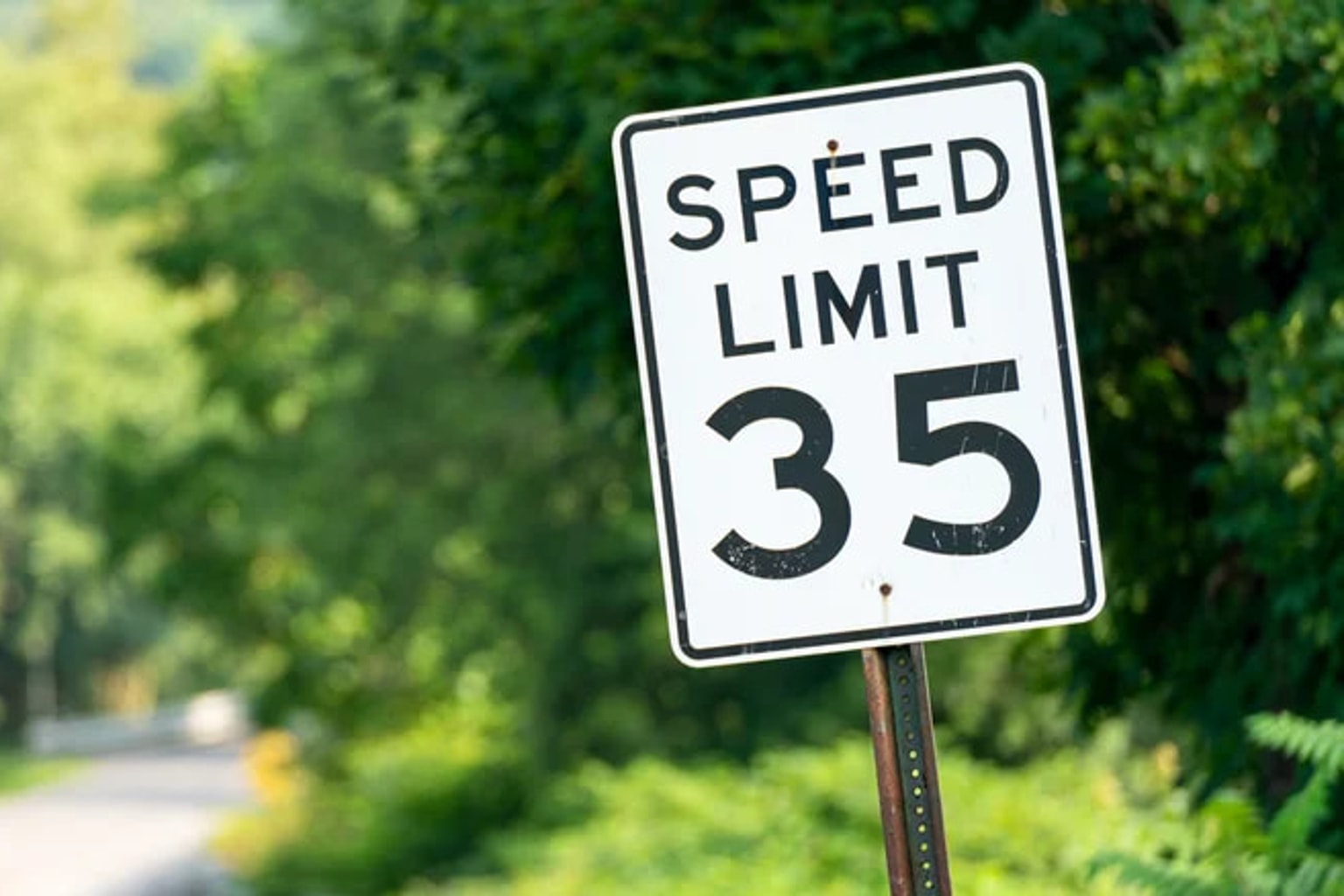
Every driver has experienced the sudden anxiety of turning onto an unfamiliar road and realizing they have no idea how fast they are legally allowed to travel. The absence of a posted speed limit sign does not mean the rules of the road have vanished.
Traffic enforcement officers are just as likely to issue citations in these zones as they are on clearly marked interstate highways.
Understanding the hidden rules of unposted roads is vital for modern motorists, especially as we increasingly rely on dashboard screens to tell us how fast to drive. When technology fails to display a limit, drivers must rely on their own knowledge of local traffic statutes to avoid fines.
This breakdown of unposted speed limits is an essential share for new drivers or anyone planning a cross-country road trip this summer.
Why it matters
The conversation around unposted speed limits gained fresh traction following a recent exploration by SlashGear, highlighting the legal frameworks states use to cover these contingencies. Drivers have grown accustomed to having speed limits beamed directly to their digital dashboards via GPS and built-in camera recognition systems.
Still, these systems are not infallible. When a vehicle’s software cannot locate a sign to read, the driver is suddenly thrust back into an analog reality.
This technological gap has sparked renewed interest in the foundational driving laws that dictate how fast a vehicle can travel when explicit signage is absent.
The catch
At the core of this issue is the concept of statutory speed limits. When people search for guidance on this topic, they are looking for the default legal speeds established by state legislatures. While these defaults vary from state to state, they generally follow a predictable pattern based on the type of environment.
For example, unposted residential areas or business districts typically carry a default statutory speed limit ranging from 25 to 30 miles per hour. In contrast, unposted rural roads or undivided country highways might allow for speeds between 50 and 55 miles per hour.
Drivers are expected to know these default limits simply by holding a valid driver’s license in that specific jurisdiction.
Also, motorists are trying to understand the basic speed law, a universal traffic rule enforced across the country. This law dictates that regardless of any posted or statutory limit, a driver must never travel faster than is safe for the current conditions.
If an unposted rural road has a statutory limit of 55 miles per hour, but a rainstorm reduces visibility, driving at that maximum could still result in a citation.
What to verify
Because traffic laws are not federally standardized, the most critical step for any driver is to verify the specific statutory speed limits in their local jurisdiction or any state they plan to visit. A default speed limit in one region might constitute a speeding violation just across the state border.
Also, check how local municipalities handle unposted alleys, school zones, and construction areas. Many towns have strict ordinances lowering the default speed limit within city limits, even if signs are sparsely placed.
Drivers should also verify how their navigation applications source speed limit data, as relying solely on a smartphone screen is rarely a valid legal defense.
Source trail
The foundational details about unposted roadway navigation and state contingency laws were highlighted in a recent report published by SlashGear. For broader context on state-by-state traffic safety guidelines and statutory speed limits, motorists can consult resources provided by the National Highway Traffic Safety Administration and local state Department of Motor Vehicles handbooks.
The absence of a speed limit sign is never an excuse to drive at whatever speed feels comfortable. States enforce statutory speed limits that dictate default maximums for residential, business, and rural areas, and these rules apply the moment turn onto an unmarked road.
By combining a solid understanding of these default laws with the universal rule of driving safely for the present conditions, motorists can confidently navigate unfamiliar terrain without relying entirely on their dashboard technology.
What to watch next
The useful follow-up is not only that If There Isn’t A Speed Limit Sign Anywhere In Sight, Here’s What Should Do is circulating, but whether the next reports add verifiable detail: dates, locations, measurements, documents, expert review, or a primary record that the public can inspect. The source trail includes more SlashGear coverage while watching for primary-source updates. Until those details are public, the careful version is to treat the story as interesting evidence in motion rather than a finished conclusion.
That is also why the story is worth treating carefully. It gives the update a concrete object or event to follow, but it should travel with the limits still attached: what is known now, what remains provisional, and what would make the claim stronger when the next update arrives.