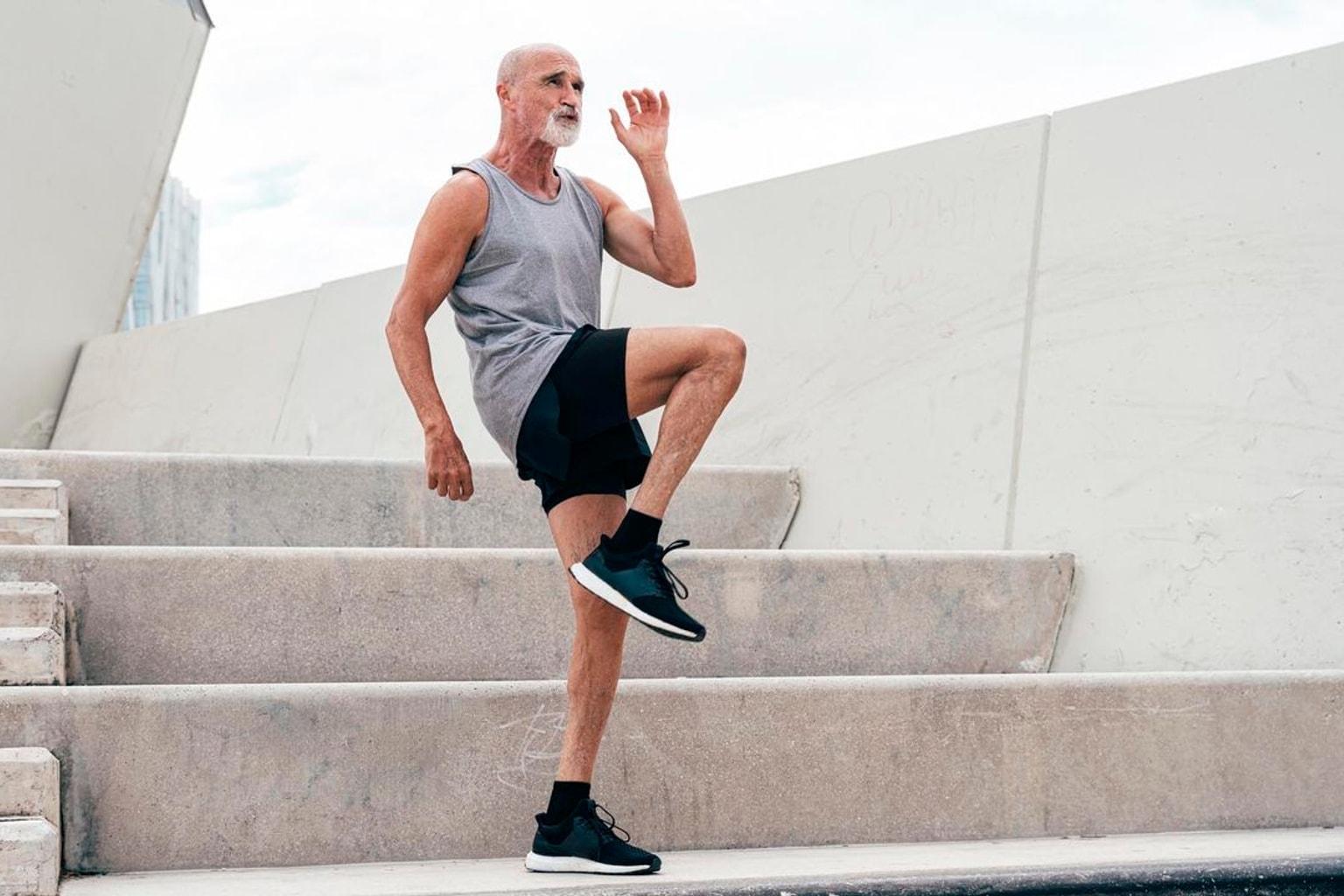
As global populations age, the conversation around fitness is rapidly shifting from high-intensity calorie burning to long-term mobility and joint preservation. For decades, the standard advice for adults over fifty has been to take a brisk daily stroll to maintain baseline health.
Still, emerging wellness guidance suggests that a brief, targeted routine might be far more effective for preventing falls and improving functional balance. For people who are looking to maintain their physical independence without straining their joints, this evolving perspective on functional fitness is useful.
Why it matters
The fitness industry is experiencing a massive pivot toward longevity and “healthspan”—the portion of a person’s life during which they are generally in good health and free from debilitating pain. Recently, a prominent piece of guidance published by Tom’s Guide highlighted a specific routine designed for people over fifty, claiming that just three low-impact movements can build more stability than a traditional thirty-minute walk.
This topic is gaining traction because it challenges conventional wisdom. Walking is universally accessible and excellent for cardiovascular health, but it primarily involves moving forward in a single, predictable plane of motion.
It does not necessarily challenge the lateral muscles, core stabilizers, or neuromuscular pathways required to catch oneself during a sudden stumble. As a result, older adults are increasingly seeking out specialized regimens that directly address balance deficits without requiring heavy weights or high-impact jumping that could damage aging cartilage.
The catch
At the core of this trend, the question is how to parse the difference between cardiovascular exercise and stability training. When a headline suggests that three simple movements can outperform a half-hour walk, it is crucial to understand the specific metric being measured: neuromuscular stability.
Walking elevates the heart rate and promotes blood flow, which is vital for cardiovascular endurance. Still, true stability requires the activation of stabilizing muscles in the hips, core, and ankles.
The practical question is how low-impact exercises—which intentionally minimize stress on the joints—can effectively stimulate these vital stabilizers. The underlying mechanics usually involve isometric holds, single-leg balancing, or slow, controlled movements that force the nervous system to adapt to minor instability.
Also, audiences are curious about the day-to-day accessibility of these routines. The promise of “low-impact” appeals directly to individuals managing arthritis, previous injuries, or general joint stiffness.
People are trying to determine if these highly touted movements can be seamlessly integrated into a morning routine, and whether they require specialized gym equipment or just a few square feet of living room floor space.
What to verify
While the premise of replacing or supplementing a daily walk with targeted stability exercises is compelling, several practical details require further verification. The next step is looking into the exact biomechanics of the three recommended movements to ensure they align with their personal physical capabilities and limitations.
It is also important to consult with a certified physical therapist or medical professional before attempting to diagnose or treat one’s own mobility deficits. We must verify whether these specific low-impact moves are universally safe, or if they require modifications for individuals with severe osteoporosis or existing balance disorders.
Also, investigating broader medical guidelines on aging and exercise can help contextualize how stability training fits into a holistic routine that still includes necessary cardiovascular work.
Source trail
The primary signal for this shift in mobility training comes from a recent wellness and workout feature published by Tom’s Guide. While traditionally known for consumer technology, the publication has increasingly expanded into the health and wellness space, reflecting the growing intersection of tech-driven fitness tracking and personal health.
The original article outlines the specific exercises and the physiological rationale behind their effectiveness for the over-fifty demographic.
- Fitness guidance for adults over fifty is shifting focus from basic cardiovascular walking to targeted stability and mobility training.
- A new routine suggests that three specific, low-impact movements can do more to improve balance than a standard thirty-minute walk.
- While walking is excellent for the heart, it often fails to engage the lateral and core stabilizers necessary to prevent falls in older age.
- Individuals should verify the specific movements and consult with healthcare professionals to ensure the routine is safe for their unique joint health.