Horticulture experts have outlined a four-step method for starting a backyard vegetable garden. The process focuses on sunlight exposure, soil preparation, climate zones, and pest management to secure a successful summer harvest.
What happened
The first step requires finding the right location. Architectural Digest notes that observing a yard in winter can be misleading because trees lack leaves.
Gardens need six to eight hours of full sun daily.
Stephanie Sutherland of the Frederik Meijer Gardens & Sculpture Park recommends adding afternoon shade in hot regions. Gardeners should choose south-facing areas in the Northern Hemisphere.
They must avoid planting directly under trees.
Next, the soil needs preparation. Holly Farrell, author of The Tomato Grower’s Handbook, suggests slicing off the turf layer if the area was previously a lawn.
Workers should then drive a garden fork deep into the compacted dirt. Wiggling the fork adds air and improves drainage potential.
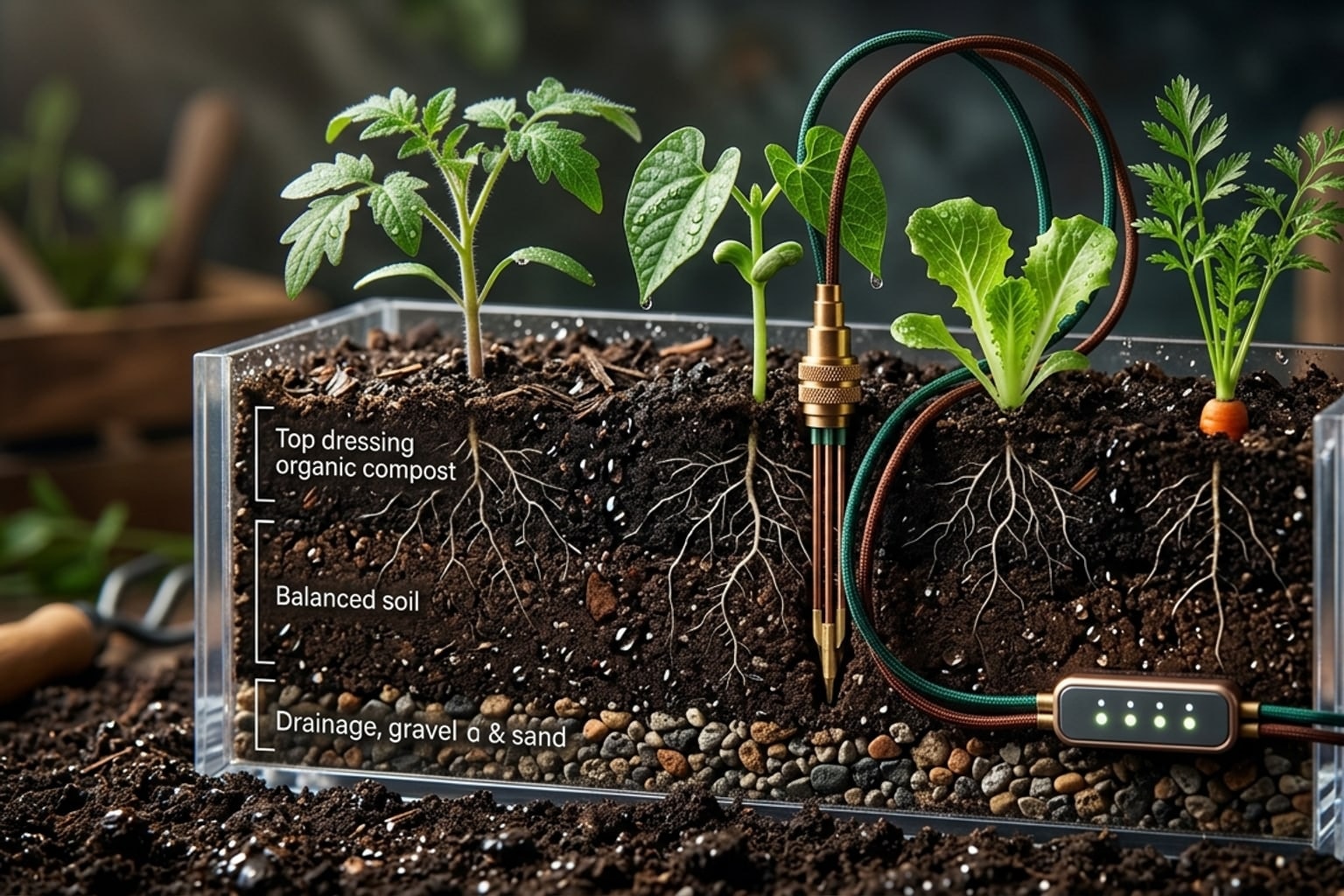
Gardeners must remove deep-rooted weeds that could crowd out vegetables. Finally, they must spread a thick layer of well-rotted compost, manure, or mulch over the top.
Worms will naturally mix this layer into the earth over time.
The third step involves selecting plants based on the local USDA Zone. Natasha Grosskopf of PanAmerican Seed notes that summer is ideal for heat-loving crops.
Zucchini, summer squash, cucumbers, and beans will germinate quickly in warmer soil temperatures. These crops mature in 45 to 60 days.
Grosskopf recommends buying pre-started seedlings for herbs like rosemary and basil. Herb seeds are often more finicky to germinate from scratch.
Finally, the garden requires careful watering. Farrell advises watering thoroughly early in the morning to prevent midday evaporation.
Why it matters
A systematic approach prevents common beginner mistakes. Many new gardens fail because they sit in heavily shaded areas.
Proper planning ensures crops actually taste good. Plant selection must align with regional weather patterns.
Brussels sprouts thrive in Indiana, but they require a frost to develop their flavor. If grown in warm climates like Southern California, they turn terribly bitter.
Following expert advice helps yield a successful harvest. It turns unused lawn space into a reliable source of fresh summer produce.
The catch
Overwatering creates new problems. Damp soil unwittingly encourages slugs and snails to move into the garden.
Seedlings can dry out rapidly during summer heatwaves. They require consistent monitoring before their young roots fully establish in the wider soil.
Pest control often requires manual labor. Snails are not beneficial insects and can damage the plot.
Gardeners must perform evening patrols to collect common pests in a bucket. They must then relocate the bugs to a park or the far end of the yard.
What to verify
Check the specific USDA Zone for the planting area before buying seeds or seedlings.
Confirm the exact hours of sunlight a specific yard patch receives during the summer months.
Look for deep-rooted weeds hidden beneath the topsoil layer during the initial digging phase.
Verify whether local soil requires additional drainage amendments beyond basic compost and mulch.
Source trail
Architectural Digest published the original guide on June 26, 2026. Michelle Mastro compiled the advice after a failed winter planting attempt.
The original Architectural Digest guide outlines the full process. Additional plant guidance is available through USDA plant hardiness zone maps.