The architectural landscape is often dominated by sprawling budgets, luxury materials, and high-profile commercial developments. Yet, a recent project featured by international design platforms is capturing global attention by turning that conventional model entirely upside down.
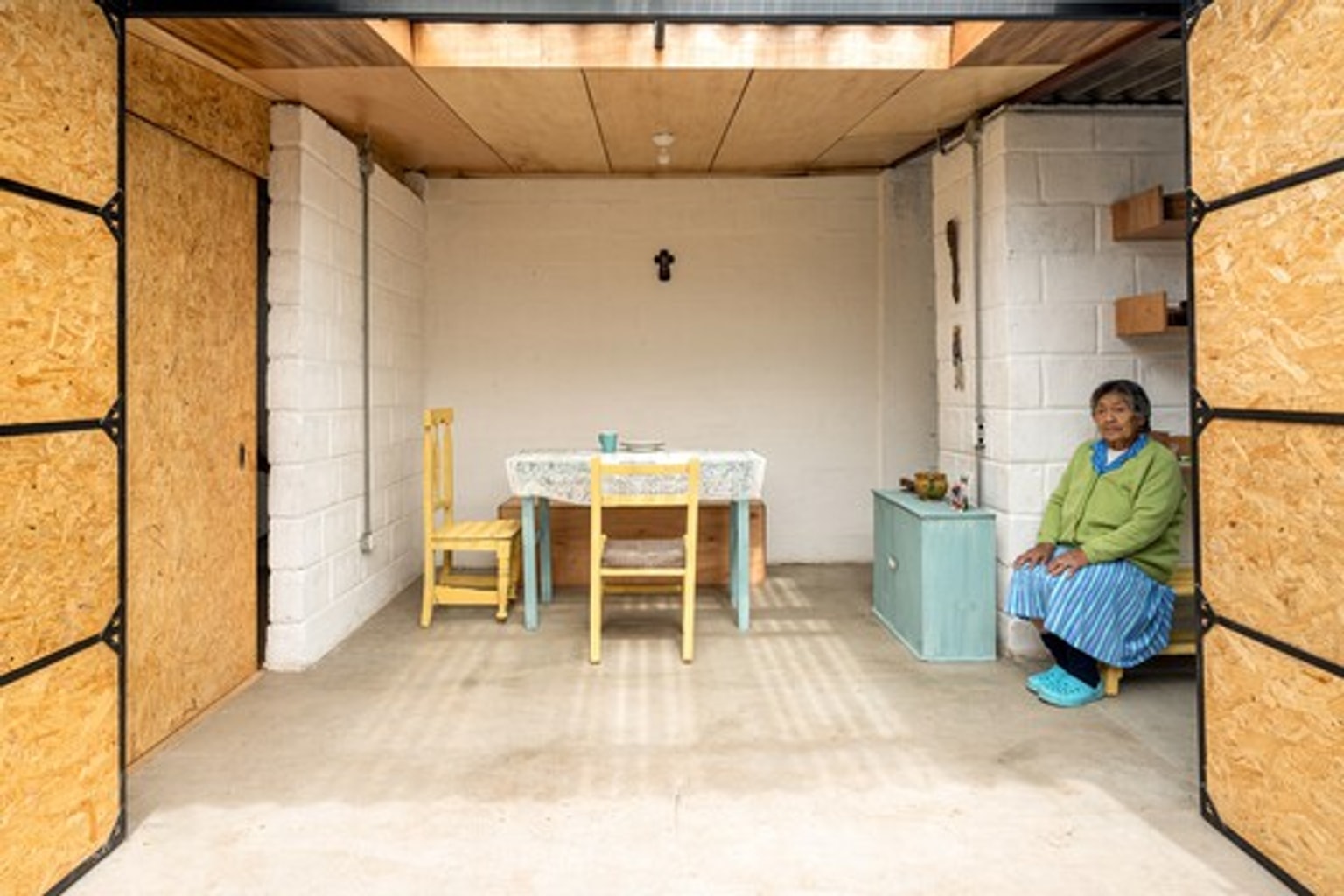
Dubbed the “House for María,” this residential initiative by the architectural firm Metriq Estudio emerged from a distinctly different set of circumstances: a complete lack of budget, an adverse environment, and an urgent moral imperative.
Located in the working-class neighborhood of La Gatazo in southern Quito, Ecuador, the project was born in the direct aftermath of the global pandemic. It stands as a physical response to the neglect and vulnerability faced by an elderly woman named María.
The story matters because it challenges the traditional, capital-intensive model of architecture, proving that empathetic design can directly serve the most vulnerable members of our communities when they need it most.
Why it matters
The project is now gaining traction within the art and design communities following its high-profile feature on ArchDaily Global, a leading platform for architectural news and urban innovation. As the world continues to process the long-term societal impacts of the pandemic, there is a surging interest in design philosophies that prioritize human welfare and community resilience over aesthetic excess.
During the pandemic, the isolation and vulnerability of the elderly became a pressing global crisis. The House for María resonates deeply right now because it transitions the conversation from abstract social commentary into concrete, built reality.
Metriq Estudio’s willingness to tackle a project without a traditional financial framework speaks to a growing movement among contemporary architects who are seeking to reclaim their profession’s civic and social responsibilities. By focusing on a single resident in a working-class district of Quito, the studio highlights how micro-interventions can have profound, life-altering impacts.
The catch
When audiences encounter a headline about a house built “without a budget,” their immediate reaction is a mix of inspiration and logistical curiosity. People are actively trying to unpack the mechanics of how Metriq Estudio actually pulled this off. If there was no formal budget, how were the building materials procured? Did the architects rely on salvaged goods, community donations, or volunteer labor from the residents of La Gatazo?
Also, the open question is the broader implications for urban development. The narrative of an elderly woman facing neglect is tragically common in rapidly expanding urban centers across the globe.
Audiences want to know if the House for María represents a scalable model for addressing housing insecurity and elder vulnerability, or if it was a singular, localized miracle dependent on a specific set of neighborhood dynamics. The intersection of architecture and social work is a complex space, and observers are keen to see how design choices directly alleviate the daily hardships of a vulnerable occupant.
What to verify
Because the initial reports provide a thematic overview rather than an exhaustive technical manual, several key details require further investigation. Journalists and architectural researchers should verify the exact methodologies Metriq Estudio utilized to bypass traditional funding structures.
This includes investigating the specific material supply chains and identifying any local organizations or community members who contributed labor or resources to the build.
Also, it is important to verify the long-term sustainability of the home. Observers should look into how the house is now functioning for María, whether it requires ongoing maintenance that might pose future financial challenges, and how the surrounding neighborhood of La Gatazo has responded to the intervention.
Finally, tracking Metriq Estudio’s upcoming portfolio will indicate whether this socially driven, zero-budget approach is a permanent pivot for the firm or a one-off humanitarian effort.
Source trail
The foundational details about this architectural project originate from a recent publication by ArchDaily Global. The platform highlighted the project by Metriq Estudio, detailing its location in the La Gatazo neighborhood of southern Quito and its origins as a post-pandemic response to an elderly woman’s vulnerability.
Metriq Estudio’s “House for María” is a powerful testament to the social potential of architecture, proving that impactful design can emerge in working-class neighborhoods without traditional funding. Born out of the pandemic’s spotlight on elder vulnerability, the Quito-based project challenges the industry to rethink how it serves those most in need.