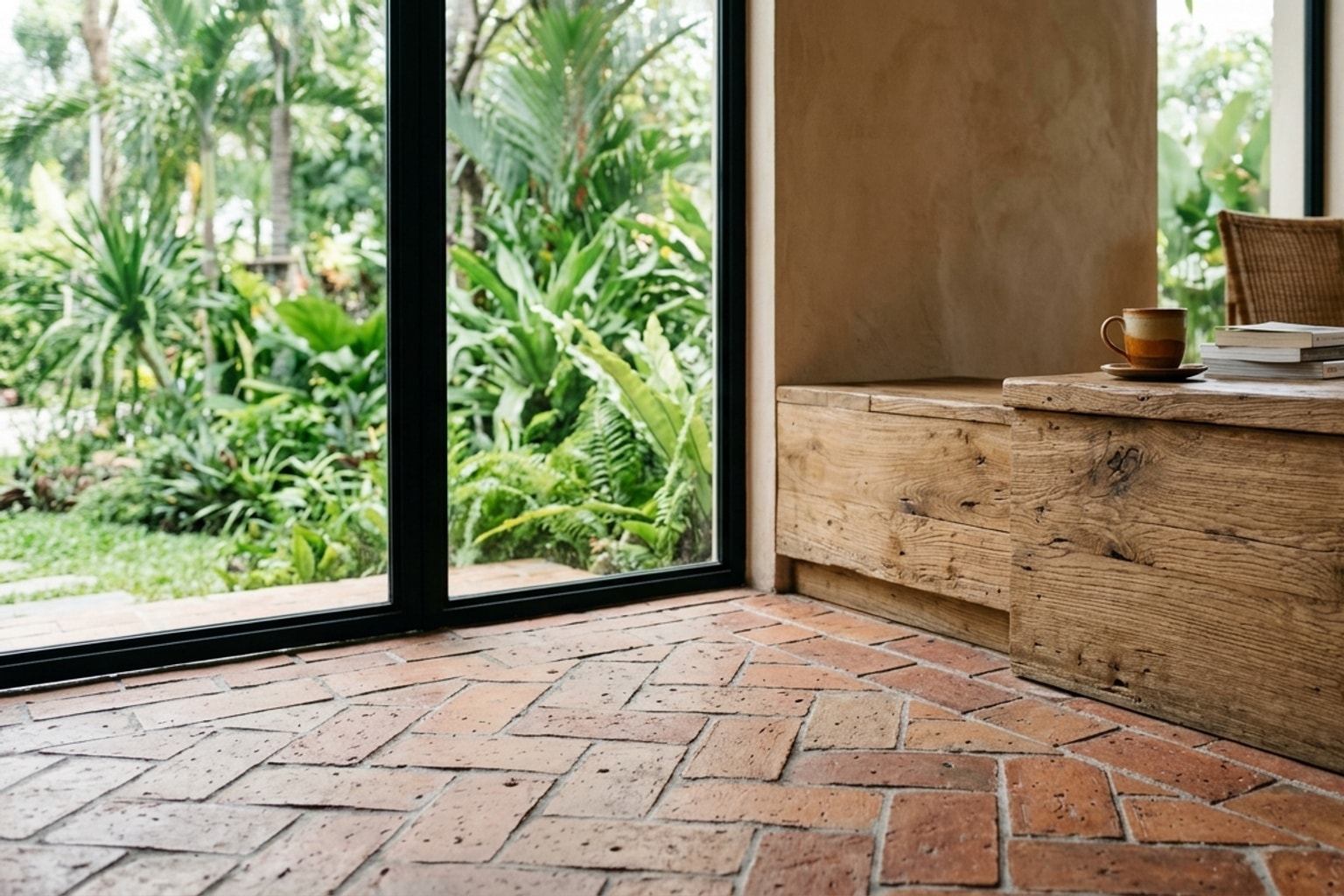
In the realm of contemporary hospitality architecture, the integration of natural materials and surrounding landscapes continues to captivate design enthusiasts. Recently highlighted by the design and architecture publication designboom, the Tri-Oz Café in Thailand emerges as a striking example of this ethos, brought to life by the architectural practice Studiowatt.
This detail matters with anyone passionate about interior design, as it perfectly illustrates how tactile materials and thoughtful spatial planning can transform a simple coffee spot into a serene retreat. The project relies on a harmonious blend of handmade terracotta tiles and warm oak surfaces to establish its tranquil atmosphere.
Why it matters
The architectural community is now turning its attention to the Tri-Oz Café following its recent feature on designboom, a leading digital magazine for architecture and art. The project is gaining traction because it taps into a broader, enduring movement toward biophilic design and the use of artisanal materials in commercial spaces.
In an era where urban environments often feel disconnected from nature, designs that actively invite the outdoors inside are highly sought after.
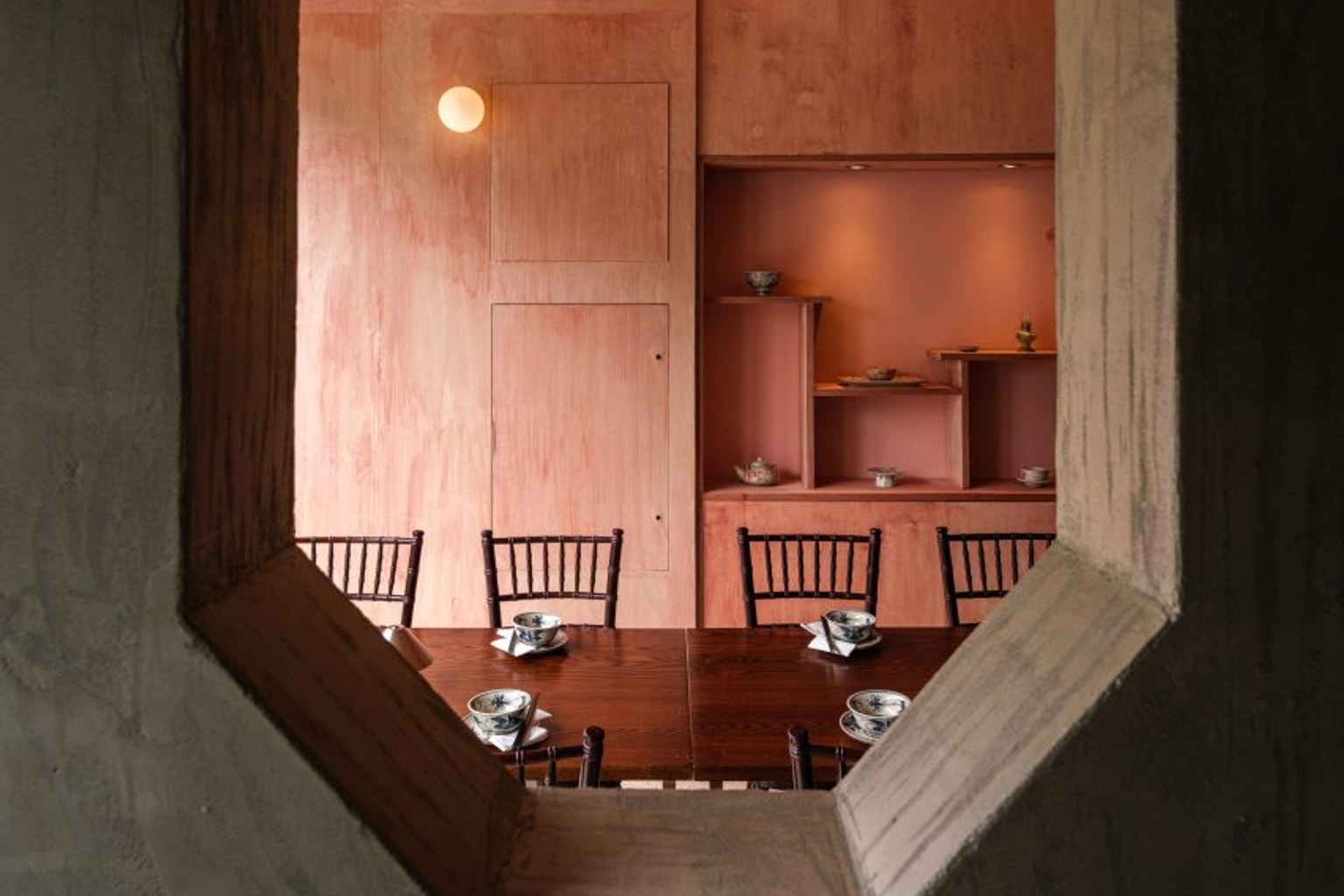
The café’s reliance on handmade terracotta tiles introduces a sense of craftsmanship and earthy imperfection that mass-produced materials simply cannot replicate. Paired with the organic warmth of oak surfaces, the material palette resonates with audiences looking for authenticity and calm in hospitality venues.
As images of the café circulate through design networks, its tranquil interiors serve as a visual palette cleanser, prompting discussions among architects and interior designers about the ongoing relevance of tactile, nature-inspired environments.
The catch
Beyond the initial visual appeal, design professionals and enthusiasts are trying to understand the specific architectural mechanics that make the Tri-Oz Café feel so immersive. The core of Studiowatt’s approach lies in the strategic use of natural light and framing. According to the project’s brief, large glazed openings are utilized not just as windows, but as deliberate architectural lenses that frame the surrounding greenery.
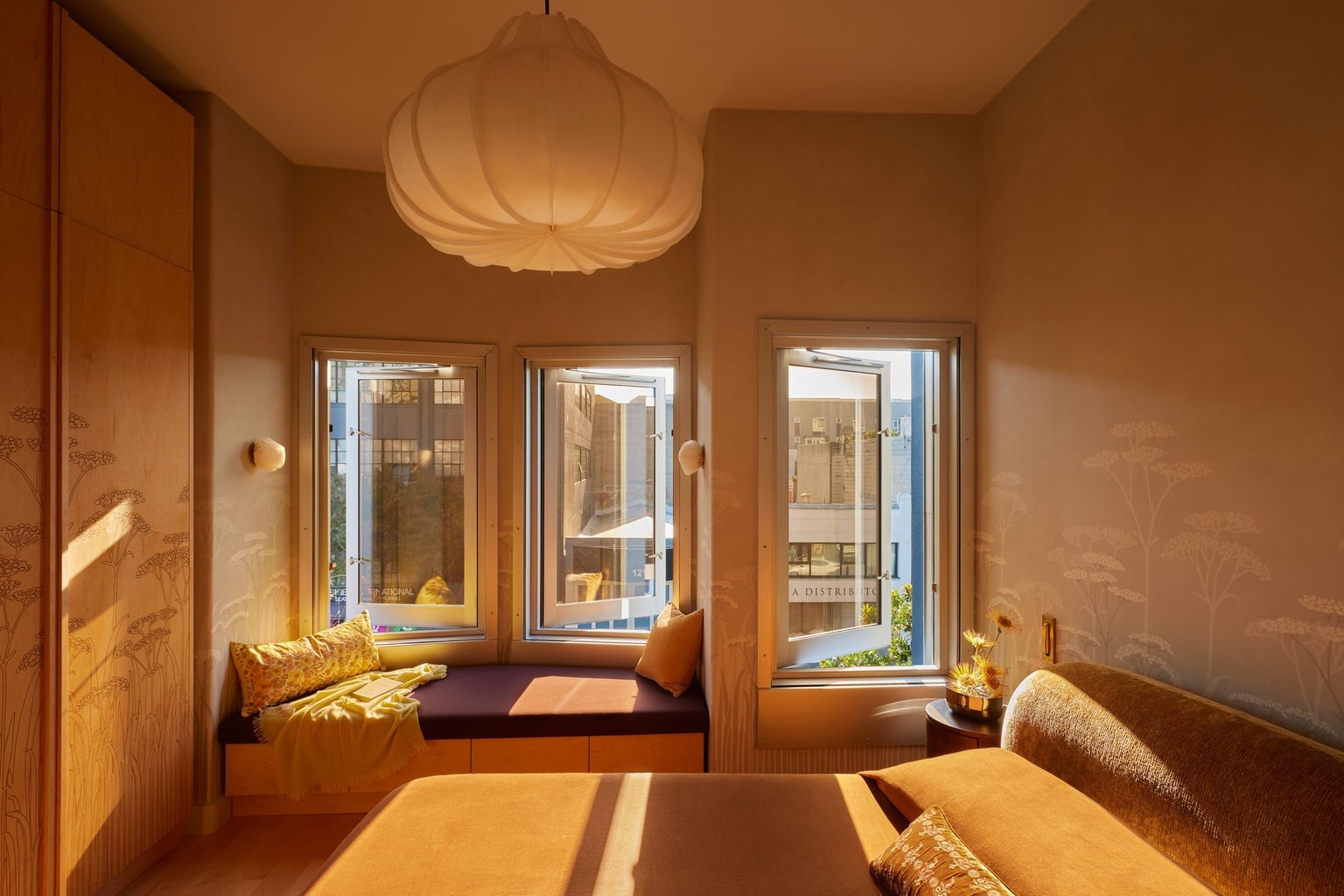
People are keen to see how these expansive glass installations allow daylight to penetrate deep into the interior footprint. This deep light penetration fundamentally changes how the interior materials are perceived throughout the day.
The sunlight interacts with the textured surfaces of the handmade terracotta and the smooth grain of the oak, creating shifting shadows and warming the visual temperature of the room. The design essentially blurs the boundary between the built environment and the natural world, allowing the lush Thai landscape to act as a dynamic, living wallpaper for the café’s patrons.
What to verify
While the initial design profiles provide a strong sense of the café’s aesthetic achievements, several practical details remain to be verified for a complete understanding of the project. First, the exact regional location within Thailand is not explicitly detailed in the primary summary, which leaves questions about the specific climate and local flora being framed by the glazing.
Also, observers will want to verify the specific sourcing of the handmade terracotta tiles—whether they were produced by local Thai artisans or imported—as this impacts the project’s sustainability footprint and cultural context. Finally, further details about the café’s operational layout, overall square footage, and how the acoustic properties of the hard terracotta and oak surfaces are managed in a bustling hospitality environment warrant further investigation.
Source trail
The Tri-Oz Café by Studiowatt stands as a testament to the power of natural materials and daylighting in modern architecture. By combining handmade terracotta, warm oak, and expansive glass that frames the surrounding greenery, the design achieves a deeply tranquil interior that connects visitors directly with the natural landscape.
This architectural development was originally highlighted by designboom under their architecture and design coverage. The project is credited to the design firm Studiowatt, focusing on their use of terracotta, oak, and glazed openings in Thailand.