Why it matters
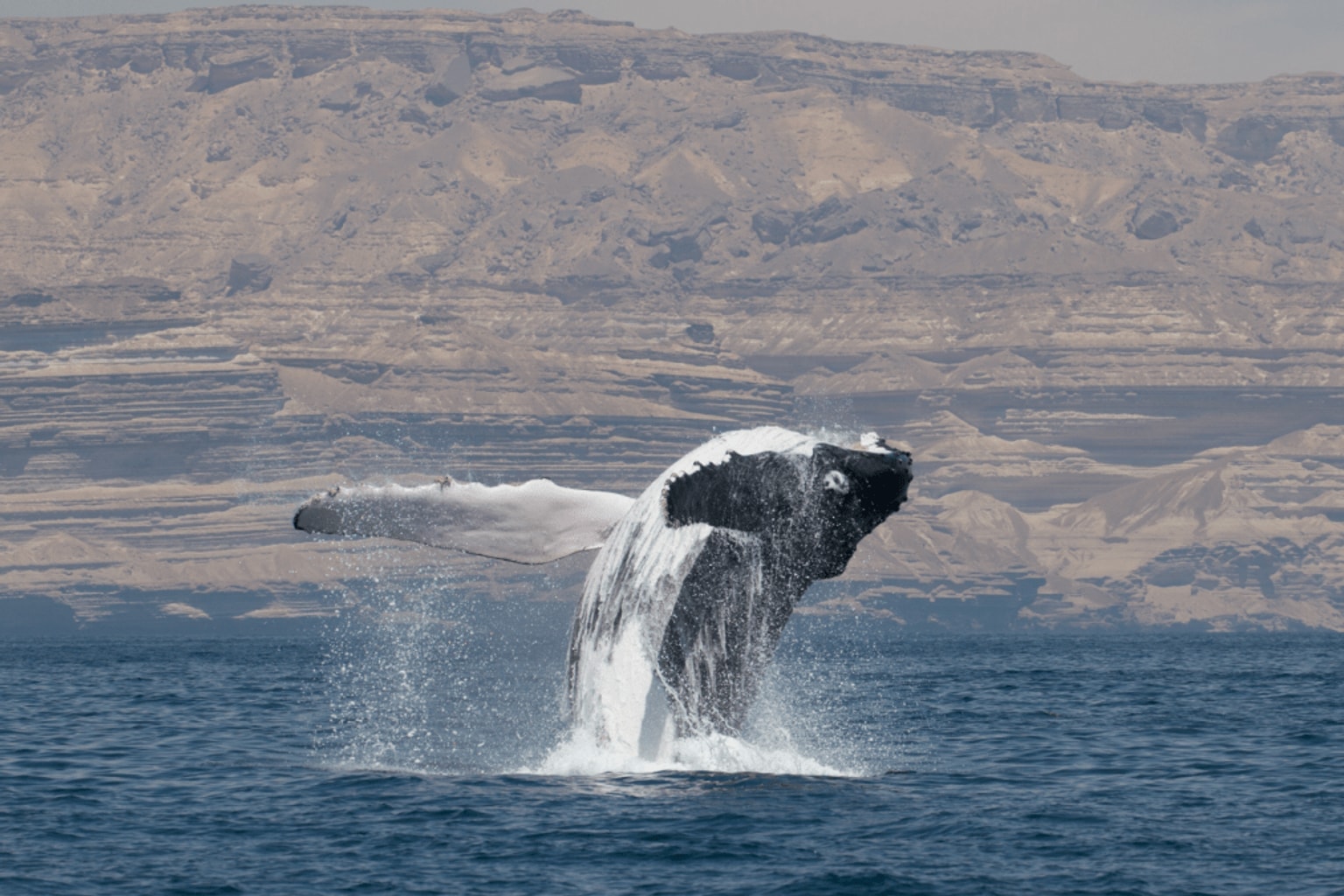
Marine biologists have achieved a remarkable first in oceanographic research by tracking a humpback whale as it crossed the Arabian Sea. According to recent reports, a female Arabian Sea humpback whale named Luban successfully completed a staggering 4,350-mile return journey.
This marks the first time scientists have directly observed and documented a humpback whale making this specific transit across the region. This unprecedented 4,350-mile journey is a captivating story useful for anyone fascinated by the hidden resilience of marine life and the vast, enduring mysteries of our global oceans.
For researchers and wildlife enthusiasts alike, the confirmation of Luban’s extensive travel provides a thrilling update on marine tracking capabilities and the dynamic behaviors of one of the ocean’s most majestic species.
The catch
Beyond the sheer distance of the journey, audiences are looking to comprehend the broader ecological significance of Luban’s 4,350-mile swim. The Arabian Sea humpback whale is known among marine biologists as a distinct and highly isolated population. Unlike other humpback whale populations globally that undertake massive annual migrations between polar feeding grounds and tropical breeding areas, the Arabian Sea cohort has historically been understood as a non-migratory group that remains in tropical waters year-round.
Because these whales were believed to stay relatively close to the coastlines of the Arabian Peninsula and the Indian subcontinent, observing a female crossing the expanse of the Arabian Sea challenges long-held scientific assumptions. The central question is whether this movement represents a standard but previously unrecorded behavior, or if it is an anomaly driven by changing environmental conditions.
The isolation of this specific whale population makes them highly vulnerable to regional threats, including shipping traffic, fishing gear entanglement, and fluctuations in prey availability. Consequently, mapping a transit of this magnitude is not just a biological curiosity; it is a critical data point for the future conservation of a fragile marine demographic.
Understanding her route could eventually help international environmental bodies establish safer maritime corridors.
What to verify
As the scientific community digests this milestone observation, several critical questions remain for researchers and environmental journalists to investigate further. Because the initial reporting highlights the completion of her return trip, the exact timeline and seasonal context of her departure and arrival require additional clarification.
Key elements to verify in upcoming biological surveys include: * The primary motivations for Luban’s journey, specifically whether it was driven by mating instincts, shifting ocean currents, or the pursuit of new feeding grounds. * The exact technological methods—such as satellite tagging or acoustic monitoring—used by the biologists to maintain contact with Luban over the 4,350-mile distance.
- Whether Luban traveled entirely alone or if acoustic data suggests other members of the Arabian Sea humpback population are making similar, undetected crossings. * How international conservation agencies will use this new tracking data to propose updated marine protected areas or advise the commercial shipping industry on adjusting regional transit lanes to prevent vessel strikes.
Source trail
The primary reporting about Luban’s historic 4,350-mile return trip originates from Popular Science, which highlighted the milestone observation by marine biologists. For broader context on the unique, non-migratory nature of this specific endangered subpopulation, further context appears in resources provided by international marine conservation organizations, such as the International Whaling Commission’s research on Arabian Sea humpback whales.
- Biologists have documented a humpback whale crossing the Arabian Sea for the very first time.
- The female whale, identified by researchers as Luban, completed an extensive return journey covering approximately 4,350 miles.
- This observation provides invaluable data regarding the Arabian Sea humpback whales, a population traditionally understood to be geographically isolated and largely non-migratory.
- The successful tracking of Luban highlights significant advancements in marine biology and underscores the need for continued monitoring to protect vulnerable ocean species.