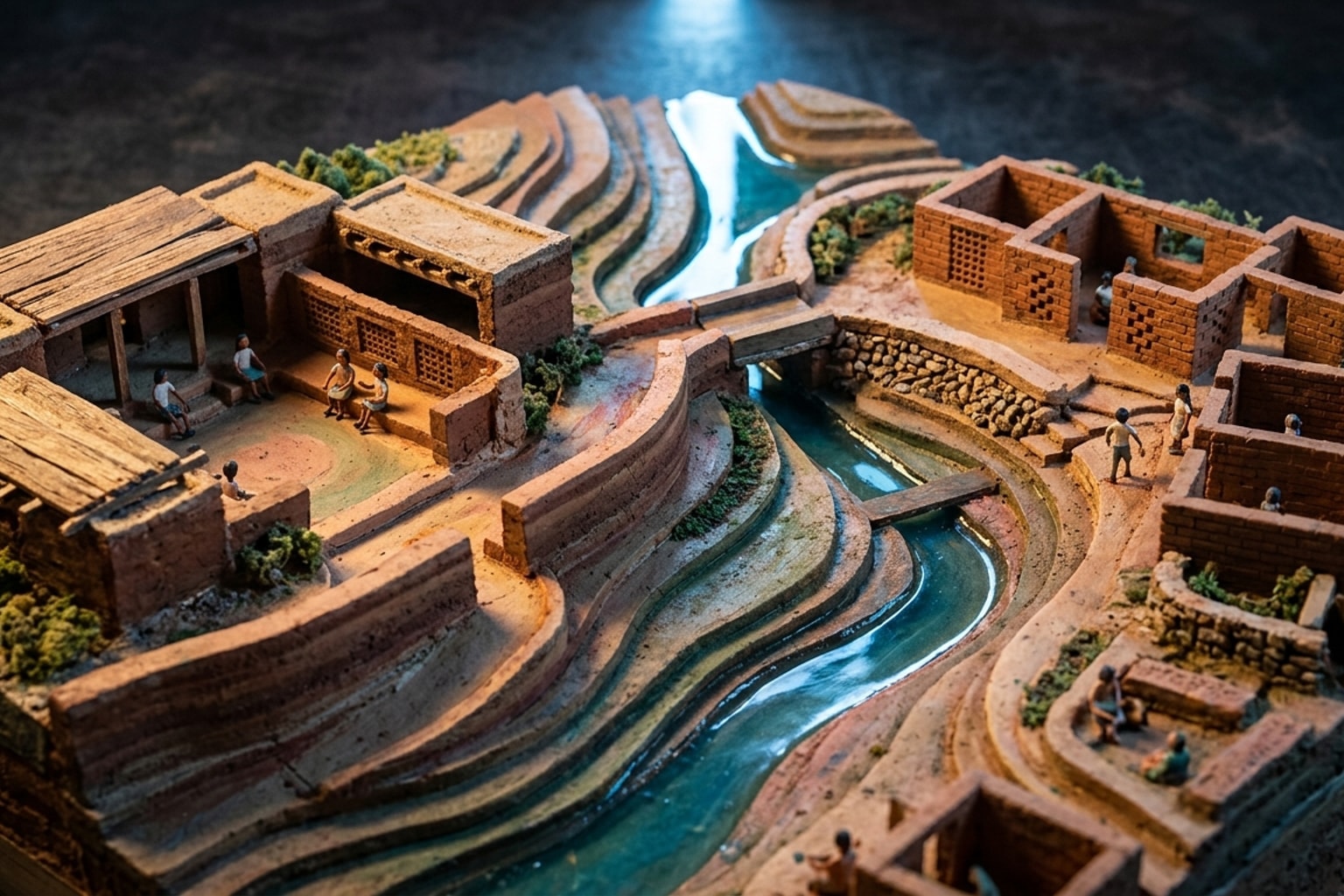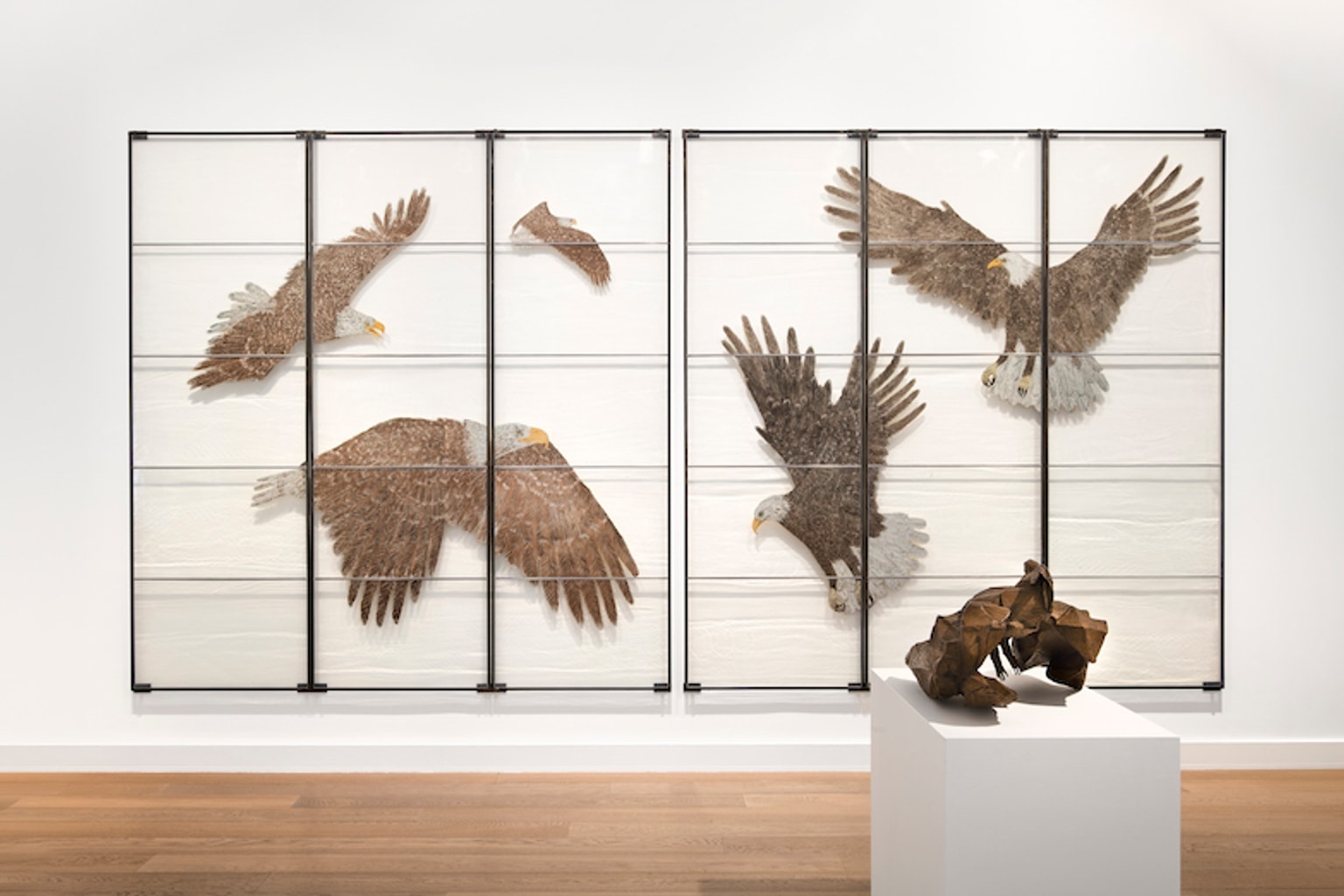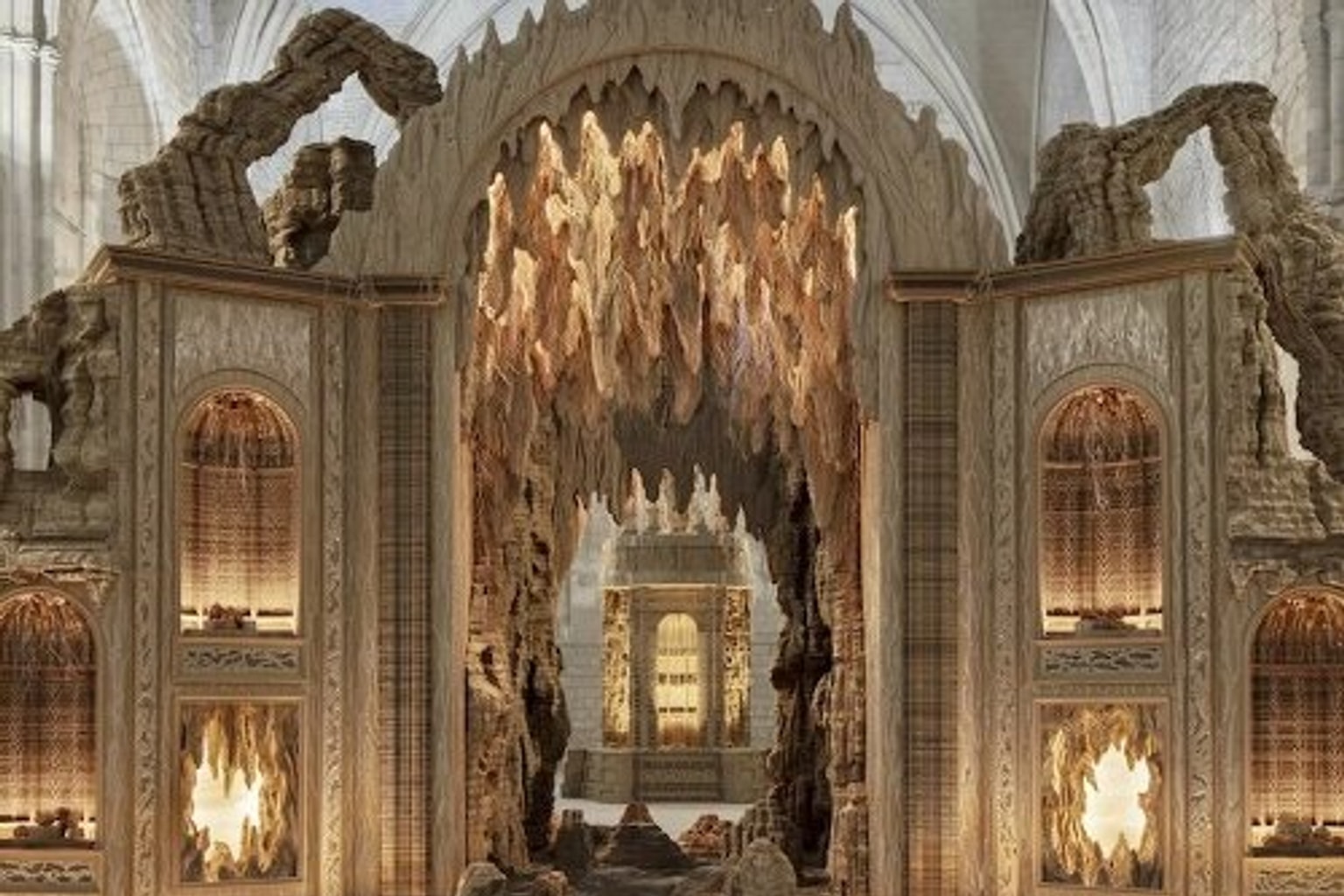
In an era increasingly defined by rapid digital production and synthetic materials, the tactile, deliberate art of French artist Eva Jospin offers a profound counter-narrative. Jospin has built a formidable reputation by taking one of the most ubiquitous, disposable materials of global commerce—corrugated cardboard—and meticulously carving it into sprawling, intricate landscapes.
Recently highlighted by the design and architecture publication designboom, her latest creations continue to push the boundaries of what is possible with a simple utility knife and layers of discarded packaging.
The story matters because it challenges our assumptions about the inherent value of everyday waste, proving that extraordinary beauty can be coaxed from the most mundane materials through sheer patience and skill. Jospin’s work is not merely an aesthetic triumph; it is a visual manifesto for the enduring importance of physical craft.
Why it matters
The recent surge of interest in Jospin’s work, sparked by a dedicated feature on designboom, arrives at a critical juncture in contemporary art and design. As we navigate 2026, the cultural conversation is heavily saturated with debates surrounding artificial intelligence, automated design, and rapid prototyping.
Against this backdrop, Jospin’s commitment to “slow making” strikes a deeply resonant chord.
Audiences are gravitating toward her cardboard worlds because they represent a tangible investment of human time and labor. The medium itself—discarded cardboard—speaks directly to ongoing anxieties about consumption, waste, and ecological sustainability.
By transforming the literal refuse of the shipping industry into enchanted forests and architectural follies, Jospin provides a compelling visual argument for the future value of material knowledge and traditional craft in a throwaway society.
The catch
Beyond the initial visual impact of her highly textured sculptures, observers are keen to grasp the philosophical underpinnings of Jospin’s methodology. The question is how to understand how the concept of “slow making” functions as a form of resistance against mass production.
Cardboard is inherently fragile, yet when layered, glued, and carved with precision, it acquires an unexpected structural integrity and visual density that mimics stone, wood, or dense foliage. The core fascination lies in this alchemy.
It requires a deep, almost intimate understanding of how the corrugated flutes bend, tear, and absorb light. The public is not just looking at a sculpture; they are looking at thousands of hours of repetitive, meditative labor.
Observers want to know how this intense focus on a single, humble medium redefines our relationship with the objects we typically discard without a second thought.
What to verify
While the thematic resonance of Jospin’s cardboard landscapes is clear, several practical details about her newest featured collections require further verification:
- Exhibition details: Where are these specific new cardboard worlds currently being displayed, and are they part of a larger traveling retrospective or a site-specific commission?
- Scale and duration: What are the exact dimensions of the latest pieces highlighted by the design press, and how many months of continuous carving did they necessitate?
- Preservation methods: Given the ephemeral nature of untreated cardboard, what specific conservation techniques are being utilized to ensure these intricate works survive long-term without degrading or succumbing to environmental factors?
- Sourcing the material: Is the discarded cardboard sourced from specific local industries, or is it collected indiscriminately to emphasize the sheer volume of global packaging waste?
Source trail
The primary signal for this development is a recent profile published by designboom, which highlights how the French artist transforms discarded cardboard into complex worlds. For broader context on her career and past monumental installations, further context appears in the artist’s historical exhibition records through major European contemporary art institutions and galleries that have previously hosted her intricate cardboard forests and architectural installations.
French artist Eva Jospin continues to captivate the art and design world by transforming ordinary, discarded cardboard into breathtakingly detailed landscapes and architectural forms. Her labor-intensive process serves as a powerful reminder of the value of “slow making” and material mastery, offering a striking, sustainable alternative to the fast-paced, digital production methods dominating the modern era.