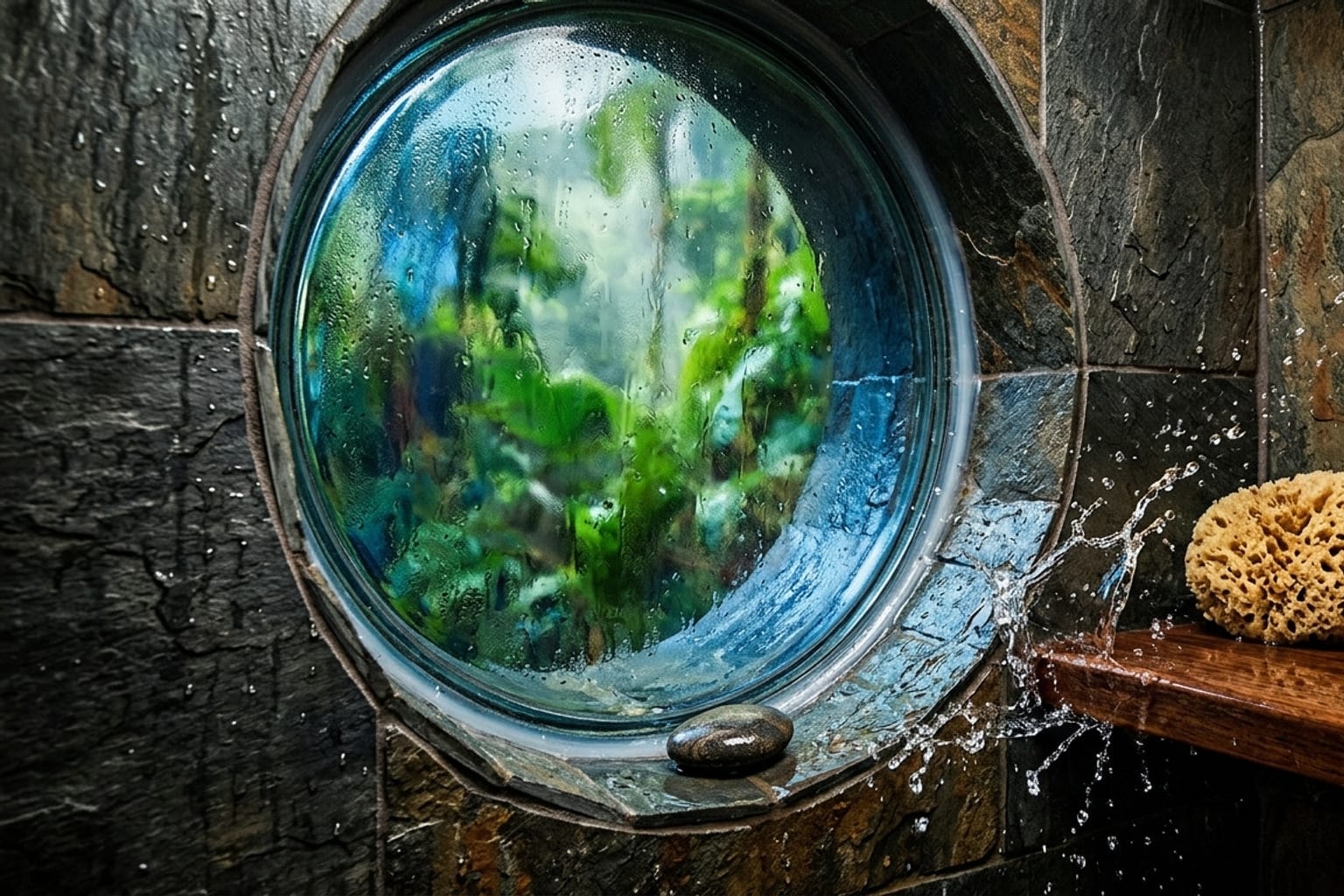
The concept of the domestic bathroom has steadily evolved from a purely utilitarian space into a sanctuary dedicated to wellness and relaxation. Highlighting this ongoing transformation, a recent curation of global architecture showcases how designers are increasingly using expansive windows to invite the outside world into our most private moments.
This architectural trend is useful for anyone looking to reimagine how domestic spaces can deeply connect with the natural world, as it challenges traditional boundaries between interior comfort and exterior wilderness.
Why it matters
The current interest in this architectural niche stems from a newly published lookbook by the prominent design and architecture magazine Dezeen. Released in late June 2026, the collection highlights eight distinct scenic bathrooms that feature a literal window to the great outdoors.
Design enthusiasts and architectural professionals are now gravitating toward these visual examples because they perfectly encapsulate the peak of biophilic design. The highlighted projects are united by their dreamy coastal settings and lush environments.
Among the standout features drawing attention are a wet room fully immersed in the dense canopy of the Costa Rican jungle, and a meticulously crafted built-in tub that offers sweeping views of a Japanese beach. By framing these intentionally chosen landscapes, the designs capture a growing cultural desire to escape the rapid pace of modern urban life and retreat into nature-focused sanctuaries.
The catch
Beyond the immediate visual appeal of a luxurious soaking tub, people and design aficionados are trying to understand the mechanics and philosophy behind these hybrid spaces. A primary point of curiosity is how architects successfully balance the inherent need for privacy in a bathroom with the desire for massive, unshielded glass panes. The source material notes that these views are “intentionally framed,” suggesting that architects are using the natural topography, strategic angles, and surrounding foliage to shield occupants from outside observers while maintaining an unobstructed outward gaze.
Also, audiences are looking to comprehend how these spaces function technically. A wet room in a tropical jungle or a bathroom exposed to salty coastal air requires highly durable materials that can withstand intense humidity, temperature fluctuations, and potential elemental exposure.
People are interested in the transition of the bathroom from a closed-off, sterile white box into a textured, environmentally integrated living space that promotes psychological well-being through direct visual access to nature.
What to verify
While the curation offers a stunning visual overview, several practical and architectural details remain to be explored by those looking to adapt these concepts. First, observers should verify the specific environmental controls utilized in these spaces, such as how the glass prevents excessive heat gain in a tropical Costa Rican climate or heat loss on a breezy coastline.
Also, it is worth investigating the specific architectural firms responsible for these international projects to understand their broader portfolios and approaches to sustainable building. Finally, people tracking residential design trends will want to verify if the material choices—such as the stone or wood used in the Japanese built-in tub—are locally sourced, and whether these high-end bespoke features are beginning to influence more accessible, mainstream housing developments.
Source trail
The foundation for this discussion is a lookbook published by Dezeen, a leading digital publication covering global architecture and design. The article, released on June 21, 2026, curates eight unique homes categorized under their tech-culture and art-design verticals.
Further context appears in the original publication to view the specific architectural photography that inspired this broader conversation about biophilic interior design.
Modern architectural design is increasingly dissolving the walls between private domestic spaces and the natural world. By intentionally framing dramatic landscapes—from dense tropical jungles to serene beaches—these scenic bathrooms demonstrate how integrating expansive outdoor views can elevate daily routines into deeply restorative, nature-bound experiences.