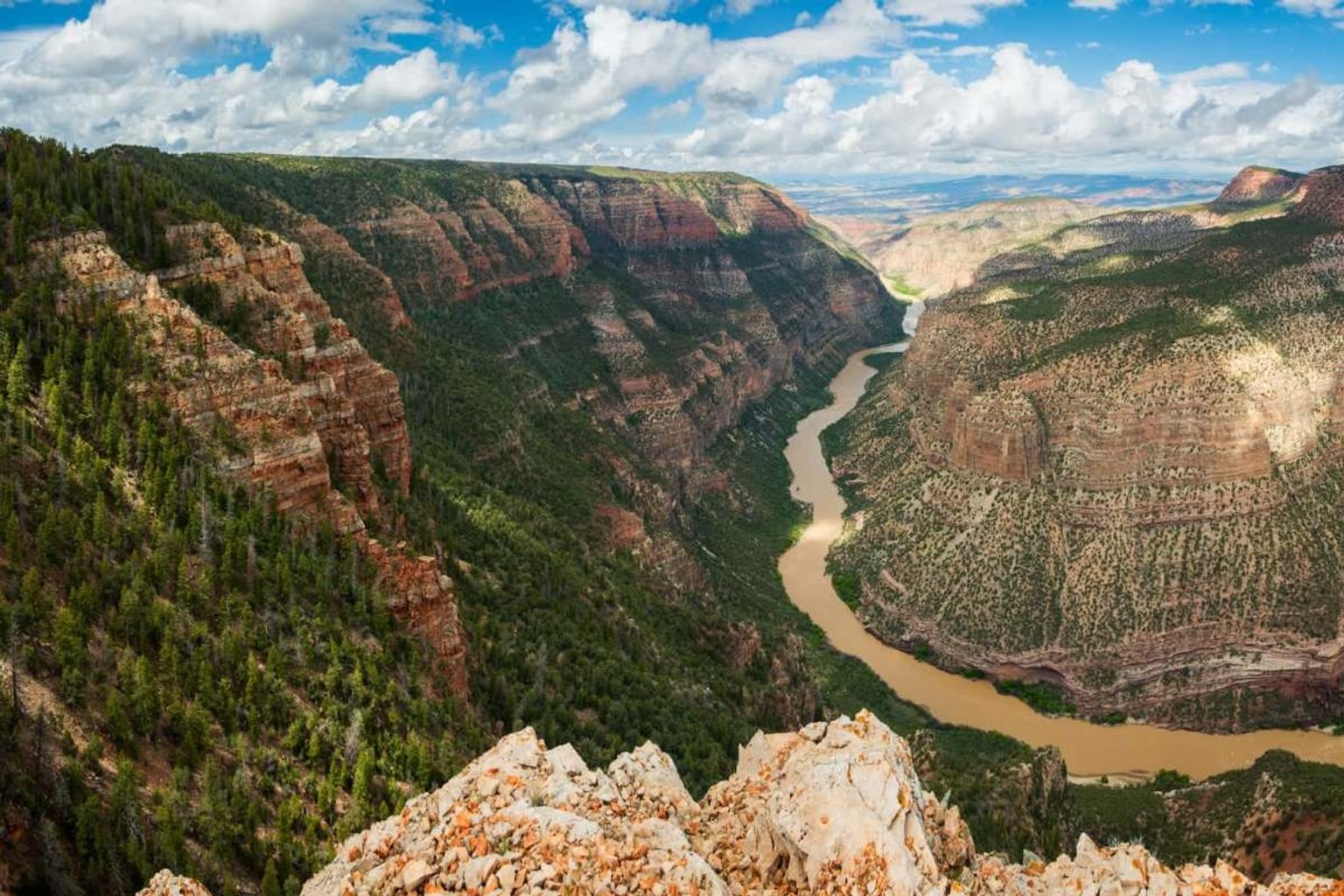
Colorado is now facing a significant environmental and economic crossroads as details emerge about the state’s largest modern oil-and-gas lease sale. According to recent reports, the tracts of land slated for potential energy development overlap with territory that is absolutely vital to the nation’s largest elk herd.
The proposed drilling and extraction activities have sparked immediate concern among conservationists, wildlife biologists, and outdoor enthusiasts who fear the industrial footprint will permanently alter the landscape. This story is a crucial read for anyone tracking the fragile balance between domestic energy production and the preservation of irreplaceable North American wildlife habitats, as the outcome in Colorado could set a precedent for public land management nationwide.
Why it matters
The conversation gained momentum following a recent publication by The Cool Down, which highlighted the unprecedented scale of this federal oil and gas lease sale in Colorado. Environmental advocates and wildlife experts are sounding the alarm over the proximity of the proposed drilling sites to critical grazing and migratory routes used by the elk.
As one observer noted in the report, “Things like that could put that status in jeopardy,” referring to the herd’s standing as the largest in the country. The push for domestic energy production frequently collides with conservation efforts, but the sheer size of this modern lease sale has amplified the urgency.
Stakeholders are rapidly mobilizing to assess how the influx of heavy machinery, access roads, and continuous operational noise might disrupt an ecosystem that has historically supported massive wildlife populations.
The catch
Beyond the immediate headlines of energy leases, the main question is the long-term ecological and economic trade-offs. The primary question is how, exactly, oil and gas infrastructure impacts large migratory mammals. Research consistently shows that elk are highly sensitive to human disturbance; the construction of well pads and the constant traffic of service vehicles can fragment habitats, forcing herds into less optimal foraging areas and drastically reducing their winter survival rates. Furthermore, people are evaluating the economic friction at play. While energy leases generate federal and state revenue, Colorado also relies heavily on an outdoor recreation economy driven by hunting, wildlife viewing, and tourism. If the nation’s largest elk herd experiences a severe population decline due to habitat encroachment, the ripple effects will be felt by local businesses, outfitters, and conservation funding programs that depend on robust wildlife populations.
What to verify
Because this situation involves complex federal land management policies, several key factors require ongoing verification. First, journalists and local residents must track the exact geographic boundaries of the finalized lease parcels to determine the precise overlap with known elk winter ranges and calving grounds.
Second, it is critical to monitor any forthcoming environmental impact statements or assessments conducted by the Bureau of Land Management to see if enough mitigation measures are being proposed. Finally, observers should watch for potential legal challenges or administrative protests filed by environmental coalitions, as well as the official response from Colorado state wildlife officials about the federal leasing decisions.
Source trail
The foundational reporting about the scale of the lease sale and its threat to the elk population was published by The Cool Down. can read their initial coverage of the situation here.
Colorado’s largest modern oil and gas lease sale is advancing into territory that sustains the largest elk herd in the United States, pitting domestic energy extraction directly against major wildlife conservation efforts. As infrastructure threatens to fragment critical habitat, the future of this historic herd—and the local economies that rely on it—remains highly uncertain.
What to watch next
The useful follow-up is not only that Colorado’s biggest modern oil-and-gas lease sale reaches land vital to the nation’s largest elk herd is circulating, but whether the next reports add verifiable detail: dates, locations, measurements, documents, expert review, or a primary record that the public can inspect. The source trail includes more The Cool Down coverage while watching for primary-source updates. Until those details are public, the careful version is to treat the story as interesting evidence in motion rather than a finished conclusion.
That is also why the story is worth treating carefully. It gives the update a concrete object or event to follow, but it should travel with the limits still attached: what is known now, what remains provisional, and what would make the claim stronger when the next update arrives.