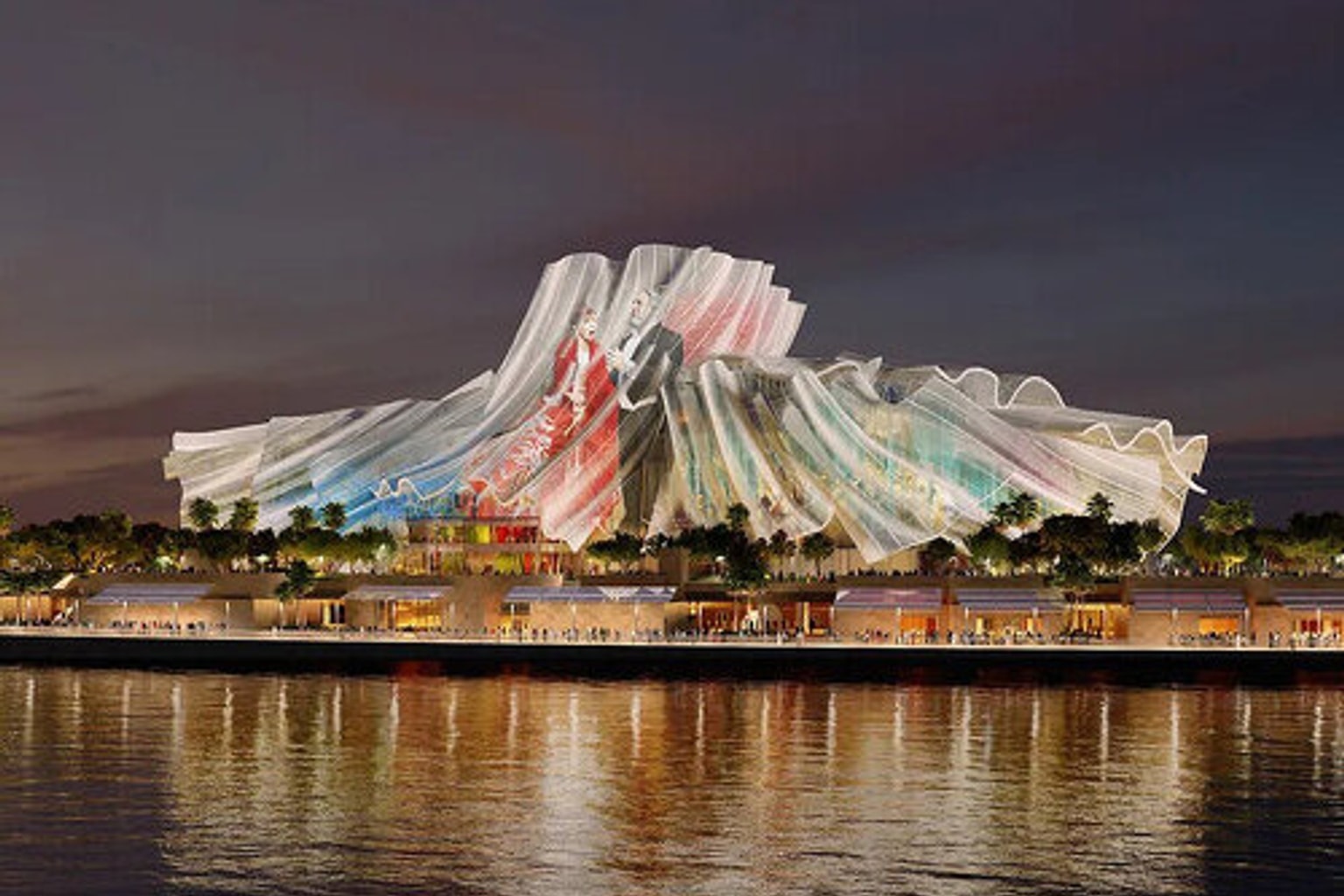
The Bjarke Ingels Group (BIG) is officially advancing its ambitious architectural plans for the National Juneteenth Museum, moving the highly anticipated cultural institution closer to the construction phase in Fort Worth, Texas. Designed to honor the legacy of emancipation and the ongoing struggle for freedom, the building represents a major milestone for local and national civil rights history.
This development is useful for anyone interested in how modern architecture can serve as a vessel for vital community history and cultural preservation. By embedding a national monument within a specific local neighborhood, the project highlights the intersection of high-profile design and grassroots heritage.
Why it matters
The momentum behind the National Juneteenth Museum is intrinsically tied to the decades-long activism of Opal Lee, the Fort Worth resident widely celebrated for her pivotal role in the movement. Lee campaigned tirelessly to see June 19 recognized on a national level, a goal achieved in recent years.
Now, the physical manifestation of that campaign is taking shape in Fort Worth’s Historic Southside. According to designboom, the project is officially moving toward construction, signaling that the planning and schematic phases are transitioning into tangible development.
The choice of the Historic Southside is deliberate. The neighborhood has deep historical roots and has long been a center of Black culture and commerce in Fort Worth.
Bringing a major, internationally designed institution to this specific area is intended to serve as an economic and cultural catalyst. The advancement of the project indicates that stakeholders are aligning the necessary resources, community support, and architectural blueprints required to eventually break ground.
The catch
Beyond the striking visual renderings typical of a BIG-designed structure, observers are looking to understand how the building will actually function within the local ecosystem. The core question is how a national monument balances broad historical education with the immediate needs of its surrounding neighborhood.
The current plans indicate that the institution will not be a traditional, silent repository of artifacts. Instead, it expands on Opal Lee’s vision by explicitly combining historical exhibitions with community-focused programs.
The practical question is how this dual mandate will operate in practice. Will the community spaces include business incubators, educational facilities, or public gathering plazas?
The architectural layout is expected to reflect this hybrid purpose, merging solemn spaces for reflection on the legacy of slavery with vibrant, active areas designed to foster contemporary community life and economic empowerment in the Historic Southside.
What to verify
As the museum transitions from a conceptual design to an active construction site, several logistical and programmatic details remain to be confirmed. Journalists and local advocates will need to monitor the following aspects:
- Groundbreaking timeline: While the project is moving toward construction, the exact date for the ceremonial and literal groundbreaking needs to be officially established.
- Funding milestones: Large-scale civic projects require significant capital. Verifying the status of public and private fundraising efforts will clarify the viability of the construction schedule.
- Programmatic specifics: The exact nature of the “community-focused programs” mentioned in the project outline must be detailed, including partnerships with local Fort Worth organizations.
- Architectural adjustments: As with any major build, it will be important to track if the initial Bjarke Ingels Group designs undergo modifications to accommodate local zoning, budget constraints, or community feedback.
Source trail
The National Juneteenth Museum in Fort Worth is progressing toward its construction phase, translating Opal Lee’s historic civil rights campaign into a permanent architectural landmark. Designed by the Bjarke Ingels Group, the facility aims to revitalize the Historic Southside by functioning as both a national educational exhibition space and a localized hub for community programs.
The primary signal for this update comes from designboom’s coverage of the museum’s architectural progress. For deeper context on the historical significance of the holiday and the activism behind it, further context appears in resources detailing Opal Lee’s Juneteenth campaign.