In an era where military defense systems often cost billions of dollars and require years of specialized engineering, a remarkably frugal alternative is emerging from the realm of discarded consumer electronics. According to recent industry reports, software teams have created an acoustic mapping application designed to network thousands of aging Android smartphones together.
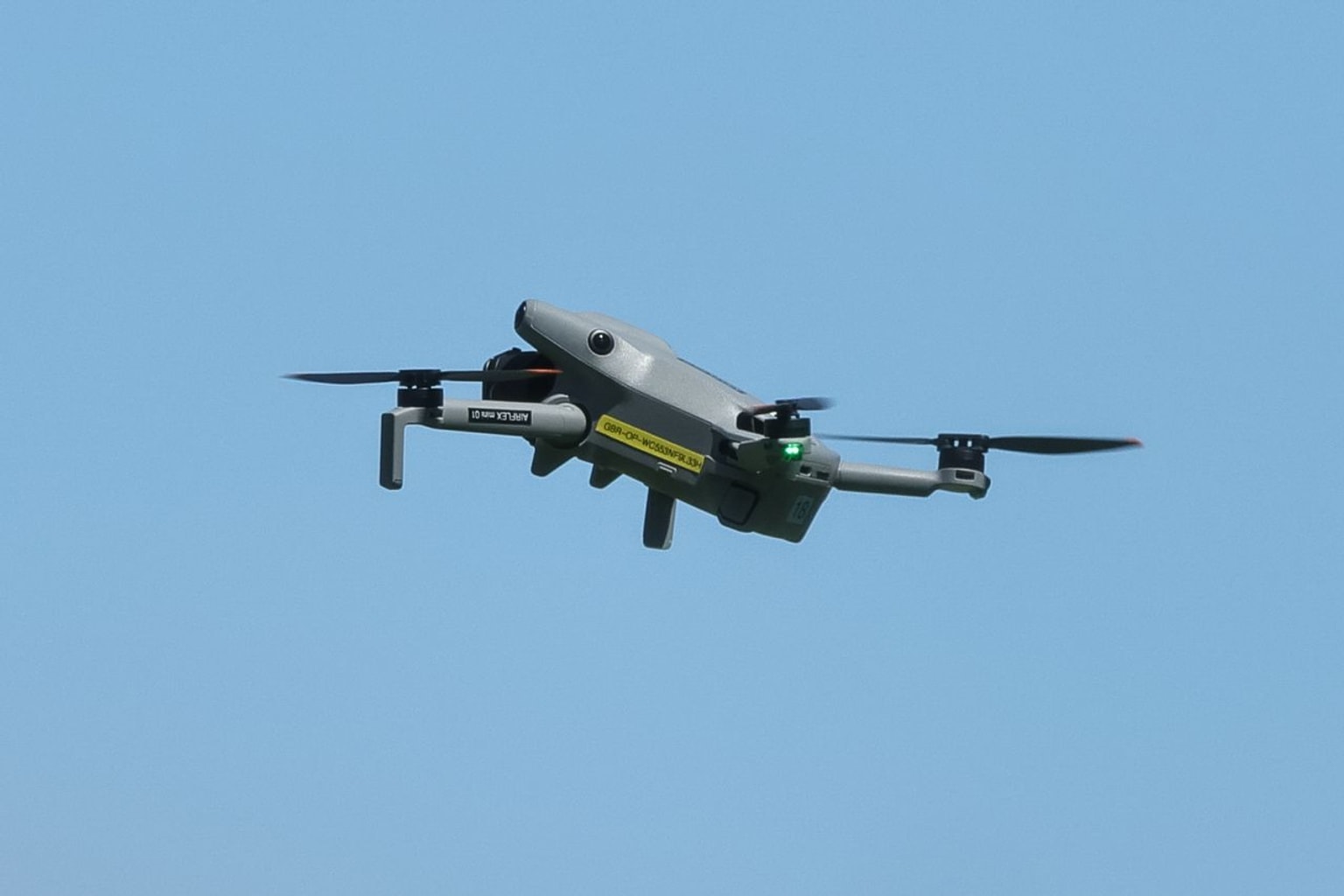
Their collective purpose is to hunt down and track small, low-radar-cross-section (RCS) military targets, specifically focusing on the notorious Shahed drones. This ingenious repurposing of everyday consumer electronics into a defensive early-warning system is a fascinating glimpse into the future of asymmetric warfare that anyone interested in technology should be paying attention to.
By leveraging hardware that most people leave forgotten in a drawer, engineers are attempting to solve a highly complex modern air defense challenge.
Why it matters
The conversation around this technology is now gaining traction following a detailed report from Tom’s Hardware, which highlighted how crowd-sourced microphone networks are being deployed to spot military targets. The urgency stems from the increasing use of Shahed loitering munitions in contemporary conflicts.
These drones are relatively inexpensive to produce, can be launched in massive swarms, and are notoriously difficult for traditional radar systems to detect due to their small size and low-RCS profiles.
Because conventional radar struggles to pick up these threats until they are dangerously close to their targets, defenders have had to look for alternative detection methods. The Shahed drones, while stealthy to radar, possess a distinct and loud acoustic signature—often compared to a flying lawnmower.
This vulnerability makes them prime targets for acoustic mapping. The newly highlighted app capitalizes on this by transforming thousands of standard smartphone microphones into a vast, interconnected listening web that can map a drone’s location and trajectory long before it reaches its intended destination.
The catch
At the core of this development, people are looking to comprehend how a network of obsolete civilian phones can outsmart sophisticated military technology. The answer lies in the power of distributed sensor networks and crowd-sourcing.
Instead of relying on a single, highly expensive, and vulnerable radar installation, the acoustic mapping approach uses thousands of cheap, ubiquitous sensors. When a Shahed drone flies over an area heavily populated with these networked Android devices, multiple phone microphones pick up the engine’s distinct sound.
By analyzing the slight differences in the time the sound arrives at each device, as well as variations in volume and frequency, centralized software can triangulate the precise location of the drone.
Also, continuously updating this acoustic data allows the system to calculate the drone’s speed and heading. This creates a real-time tracking map that can be shared with air defense teams, giving them the crucial minutes needed to intercept the threat.
It is a prime example of how software and mass networking can overcome the physical limitations of individual hardware components.
What to verify
While the concept of a crowd-sourced acoustic network is highly promising, several operational realities must be independently verified as the system scales:
- False Positive Rates: How effectively can the application distinguish the acoustic signature of a Shahed drone from civilian background noise, such as motorcycles, industrial machinery, or low-flying civilian aircraft?
- Infrastructure Reliance: The system presumably requires a stable internet or cellular connection to relay acoustic data back to a central server. Investigators need to verify how the network performs in active conflict zones where power and telecommunications infrastructure are frequently degraded or jammed.
- Deployment Scale: Reports indicate “thousands” of devices are being used, but the exact geographical density required for accurate triangulation remains a critical metric to uncover.
- Device Autonomy: It is necessary to determine how these old Android phones are being powered in the field, especially if they are deployed in remote or rural areas to catch drones crossing borders.
Source trail
Engineers are successfully turning outdated Android smartphones into a powerful, distributed early-warning system. By running a specialized acoustic mapping app, these devices form a crowd-sourced microphone network capable of tracking the distinct sound of low-radar Shahed drones, providing critical advance notice to air defense operators.
The primary signal for this development comes from a June 2026 report by the technology publication Tom’s Hardware, detailing the use of networked Android phones to hunt Shahed drones. Further context about the challenges of tracking low-RCS targets can be explored through ongoing defense industry analyses of modern loitering munitions.
What to watch next
The useful follow-up is not only that Acoustic mapping app uses thousands of networked old Android phones to hunt Shahed drones — crowd-sourced microphone network spots small, low-RCS military targets is circulating, but whether the next reports add verifiable detail: dates, locations, measurements, documents, expert review, or a primary record that the public can inspect. The source trail includes more Tom’s Hardware coverage while watching for primary-source updates. Until those details are public, the careful version is to treat the story as interesting evidence in motion rather than a finished conclusion.
That is also why the story is worth treating carefully. It gives the update a concrete object or event to follow, but it should travel with the limits still attached: what is known now, what remains provisional, and what would make the claim stronger when the next update arrives.