As the Northern Hemisphere plunges into the peak of summer, the reliability of local power grids is once again coming under intense scrutiny. Extreme heat events are becoming more frequent and severe, driving up air conditioning usage and placing unprecedented stress on electrical infrastructure.
In response to this seasonal vulnerability, technology and lifestyle outlets are pivoting their focus toward emergency preparedness. A recent guide highlighted by CNET News outlines nine critical steps households should take before a summer blackout strikes, emphasizing everything from cooling supplies to backup power solutions.
This guide is worth sharing with neighbors and family members, as community resilience is often the best defense against unpredictable summer power failures.
Why it matters
The conversation around grid stability predictably surges as temperatures rise, but the urgency feels particularly acute this season. During the summer months, sustained heatwaves force millions of households to run their cooling systems simultaneously.
This creates massive peak demand periods that can overwhelm aging infrastructure, leading to unexpected equipment failures. When the grid fails during a severe heatwave, it is no longer just a minor inconvenience; it rapidly becomes a pressing health and safety crisis.
Tech publications are now leaning heavily into this topic because modern households are uniquely dependent on continuous electricity. From charging smartphones and laptops to powering essential medical equipment, Wi-Fi routers, and smart home security systems, a sudden loss of power disrupts daily life on multiple fronts.
The recent coverage serves as a proactive warning, urging consumers to transition from a reactive mindset to a state of active readiness long before the lights actually go out.
The catch
Consumers are looking for actionable, tech-forward solutions that go beyond the traditional, outdated advice of simply keeping a few spare batteries in a kitchen drawer. The practical question is how to effectively bridge the gap between a sudden outage and the eventual restoration of power without compromising their physical safety, their food supply, or their baseline comfort.
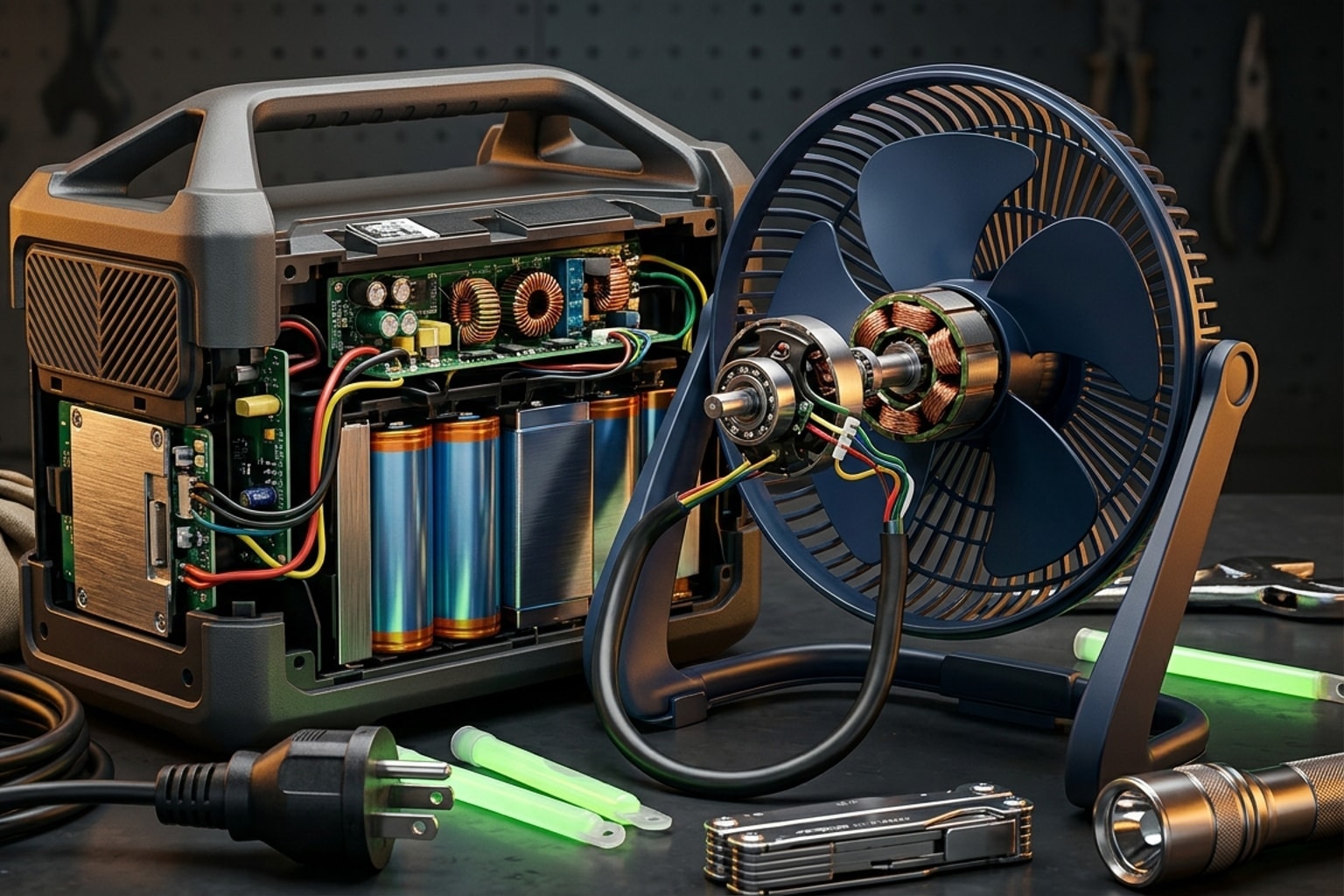
First, there is a significant focus on modern backup power. People are evaluating the differences between traditional gas-powered generators, which require outdoor space and safe ventilation, and high-capacity portable lithium-ion power stations.
These modern battery banks can be safely used indoors to keep refrigerators running and ensure laptops remain charged.
Second, keeping cool without central air conditioning is a primary concern. People are actively seeking strategies for thermal management, such as using high-efficiency battery-operated fans, deploying reflective window coverings to block out solar heat, and identifying the coolest structural zones within their homes.
Finally, communication remains a critical anxiety point. Ensuring that mobile phones have enough backup power—via dedicated power banks or portable solar chargers—is absolutely essential for receiving emergency weather alerts and staying in touch with loved ones during an extended blackout.
What to verify
While general preparedness guides offer excellent foundational advice, people must contextualize these tips for their specific living situations and geographical risks. Homeowners and renters should immediately verify the current status and alert systems of their local utility providers.
Many utility companies offer specialized text or email notifications that warn customers of impending rolling blackouts or high-stress grid conditions, but these often require an active opt-in from the user.
Also, individuals should meticulously assess their specific household needs. Those relying on electricity-dependent medical devices, such as CPAP machines or refrigerated medications, need to consult with their healthcare providers and local emergency services about specialized, foolproof backup plans.
Finally, consumers looking to purchase large battery banks or generators should verify the safety certifications and indoor usage regulations for any equipment they plan to rely on during an emergency. It is also wise to locate the nearest municipal cooling centers in case a home becomes dangerously hot.
Source trail
The foundational tips and emergency preparedness strategies prompting this timely discussion originate from a recent CNET News report on summer blackout preparations. For broader context on managing utility emergencies, securing food supplies, and safely using backup power, people can also consult the official guidelines provided by the [U.
S. government’s Ready.
gov blackout portal](https://www.ready.gov/power-outages).
- Summer heatwaves are placing severe and immediate strain on electrical grids, prompting renewed warnings about sudden power outages.
- Modern blackout preparation requires far more than flashlights; households need robust backup power for communication and medical devices.
- Portable power stations and battery-operated cooling supplies are rapidly becoming essential tools for indoor safety during heat-related outages.
- Residents should proactively sign up for local utility alerts and carefully tailor their emergency kits to their family’s specific health and technological needs.