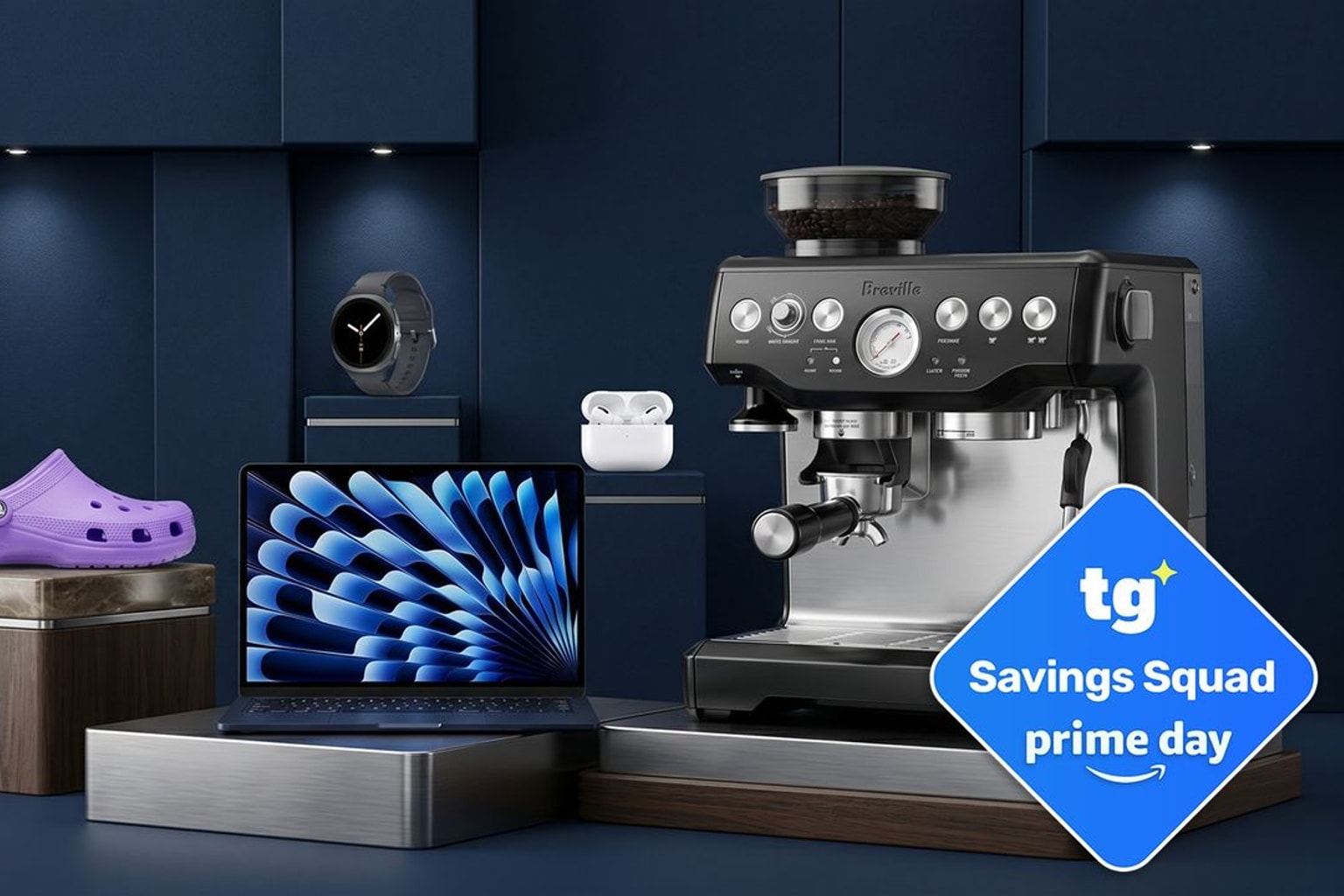
The annual retail spectacle of Amazon Prime Day has historically been dominated by heavy-hitting electronics—televisions, premium laptops, and flagship smartphones. Still, the narrative for the June 2026 iteration appears to be shifting toward aggressive budget curation.
A recent comprehensive roundup from CNET Deals highlights a growing consumer appetite for affordability, specifically showcasing 101 different Prime Day discounts priced under the $50 threshold. Spanning categories from wireless earbuds to everyday kitchen essentials, this pivot underscores a broader retail trend: shoppers are hunting for incremental upgrades rather than massive investments.
For consumers looking to maximize their household budgets without falling into the trap of impulse-buying expensive gadgets, this development is highly useful before discussing with friends and family navigating the chaotic digital storefronts.
Why it matters
The momentum behind this specific price bracket aligns with the current economic mood. As the June 2026 shopping season kicks into high gear, major retail publishers are responding to clear demand signals.
People are clicking on and searching for budget-friendly roundups because they want the dopamine hit of a sale event without the subsequent credit card shock. By curating over a hundred specific items that fit this exact financial constraint, retail analysts are acknowledging that the true battleground for Amazon Prime Day dominance is no longer the massive home theater system, but rather the accessible kitchen gadget or the backup pair of earbuds.
This movement reflects a maturing e-commerce environment where consumers are increasingly aware of their spending limits and are actively seeking out pre-vetted, low-risk purchases that offer immediate utility.
The catch
the main question is the true value of a heavily promoted deal. The core question is whether these sub-$50 items represent genuine markdowns or if they are simply cheap products masquerading as premium discounts. the open question is if the earbuds featured in these roundups offer reliable audio quality or if they are destined for a landfill by the end of the year. Furthermore, there is a strategic element at play: shoppers need to check whether bundling several smaller kitchen essentials yields a better return on their subscription investment compared to waiting for a single, high-value purchase. The harder part is navigating the psychological friction between the desire to participate in a global sales event and the practical need to acquire items that genuinely improve their daily routines without cluttering their homes with low-tier electronics.
What to verify
Before adding any of these heavily promoted budget items to a digital cart, savvy shoppers must verify several key data points. First, it is crucial to cross-reference the advertised Prime Day prices against historical pricing data using established third-party tracking tools to ensure the discount is not based on an artificially inflated manufacturer suggested retail price.
Second, consumers should verify the brand reputation and warranty terms of the specific earbuds and kitchen tools highlighted in the sub-$50 category, as lower price tiers often attract white-label products with inconsistent quality control. Finally, buyers need to check the exact shipping windows and return policies associated with these deals, as high-volume sales events can sometimes lead to logistical bottlenecks or restrictive return conditions for deeply discounted inventory.
Source trail
The primary signal for this retail shift comes from a recent publication by CNET Deals, which cataloged 101 specific Prime Day offers falling below the $50 mark. For broader context on how retail events are evolving, consumers can monitor ongoing coverage of e-commerce trends across major financial and tech news outlets.
The 2026 Prime Day landscape is increasingly defined by high-volume, low-cost purchases rather than massive tech splurges. With major publications highlighting dozens of viable tech and home items under $50, shoppers have an opportunity to secure practical goods—from audio gear to culinary tools—without overextending their finances, provided they remain vigilant about verifying historical pricing and product quality.