Modern vehicles are marvels of engineering, held together by thousands of seemingly mundane components. Yet, beneath the hood lies a specialized fastener that routinely catches amateur mechanics off guard: the torque-to-yield bolt.
For anyone who likes to turn a wrench on the weekend, understanding the hidden mechanics of modern fasteners is essential knowledge that could prevent a catastrophic engine failure. It is a topic that bridges the gap between everyday car maintenance and advanced materials science.
Why it matters
A recent feature published by SlashGear has brought torque-to-yield (TTY) bolts into the spotlight, sparking discussions among automotive enthusiasts and DIY mechanics alike. As the right-to-repair movement gains momentum and more owners attempt complex repairs at home to save money, the intricacies of modern automotive manufacturing are becoming mainstream topics of conversation.
Older vehicles often utilized standard fasteners that could be removed and reinstalled indefinitely. Still, as automakers strive to meet stringent fuel efficiency and emissions standards, they have transitioned to lighter materials and highly complex engine designs.
This shift necessitates incredibly specific assembly techniques. Consequently, the sudden interest in TTY bolts reflects a growing awareness that modern car repair requires a strict adherence to factory procedures, rather than just a basic socket set and a good guess.
The catch
At the core of the discussion is a fundamental question: what exactly makes a torque-to-yield bolt different from a standard piece of hardware? The question is how to grasp the physics of elasticity and plastic deformation. Standard bolts act like incredibly stiff springs; when tightened, they stretch slightly but return to their original dimensions once removed. TTY bolts, however, are engineered to be tightened past their elastic limit and into their “yield” zone.
By permanently stretching the metal, these bolts provide a much more consistent and evenly distributed clamping force across critical engine components, such as cylinder heads. Automakers favor them because this precise clamping force is essential for sealing multi-layer steel gaskets on modern, lightweight aluminum engine blocks that expand and contract dramatically with heat.
Still, this engineering marvel comes with a severe catch: because the bolt has permanently deformed, it is strictly single-use. People are learning that attempting to reuse a TTY bolt will almost certainly result in the bolt snapping inside the engine block or failing to hold the required tension, leading to blown head gaskets or worse.
What to verify
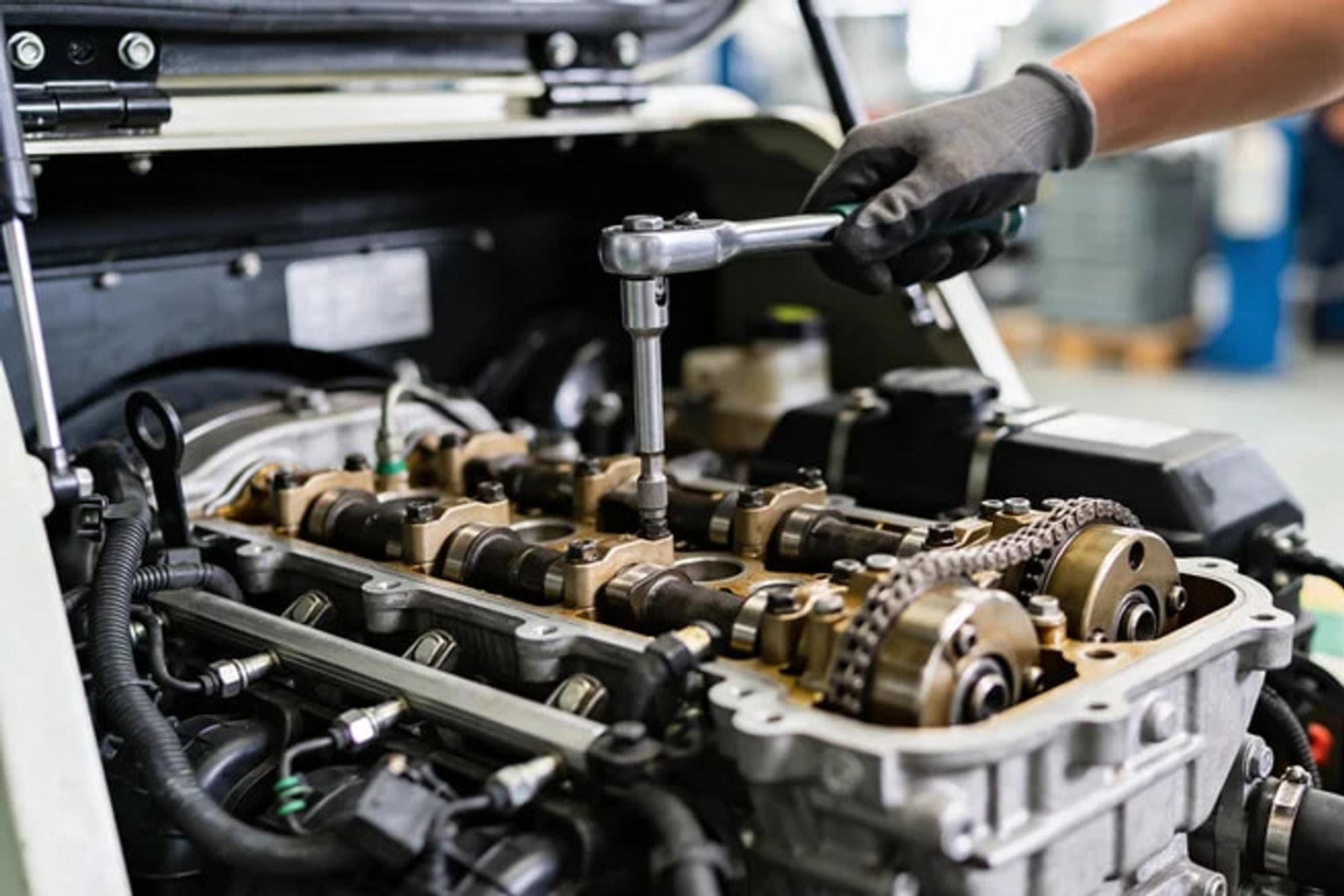
For those planning to dive into engine repair, there are several critical factors to verify before turning a wrench. First, mechanics must always consult the official factory service manual for their specific vehicle to confirm whether the fasteners they are removing are torque-to-yield.
cannot reliably identify a TTY bolt simply by looking at it.
Second, DIYers need to verify the exact installation procedure. TTY bolts require a specific sequence, usually involving an initial torque specification followed by an additional rotation measured in degrees (for example, tightening to 30 lb-ft, then turning an additional 90 degrees).
Finally, it is worth investigating the aftermarket. Some performance engine builders replace factory TTY bolts with reusable high-strength studs, so verifying which option makes the most long-term sense for a specific build is a logical next step before purchasing parts.
Source trail
Torque-to-yield bolts are specialized, single-use fasteners designed to stretch permanently upon installation. They provide a superior and consistent clamping force necessary for the survival of modern, lightweight engine blocks.
While they allow automakers to build more efficient vehicles, they require strict adherence to service manuals and must never be reused.
The primary signal for this discussion originates from a technology and automotive culture piece published by SlashGear, which breaks down the specific purpose of these fasteners. For further context on automotive fasteners and engine mechanics, further context appears in engineering resources like MotorTrend’s technical archives or consult official manufacturer service portals for exact torque specifications.
What to watch next
The useful follow-up is not only that Torque-To-Yield Bolts: What Are They, And Why Do Automakers Use Them? is circulating, but whether the next reports add verifiable detail: dates, locations, measurements, documents, expert review, or a primary record that the public can inspect. The source trail includes more SlashGear coverage while watching for primary-source updates. Until those details are public, the careful version is to treat the story as interesting evidence in motion rather than a finished conclusion.
That is also why the story is worth treating carefully. It gives the update a concrete object or event to follow, but it should travel with the limits still attached: what is known now, what remains provisional, and what would make the claim stronger when the next update arrives.