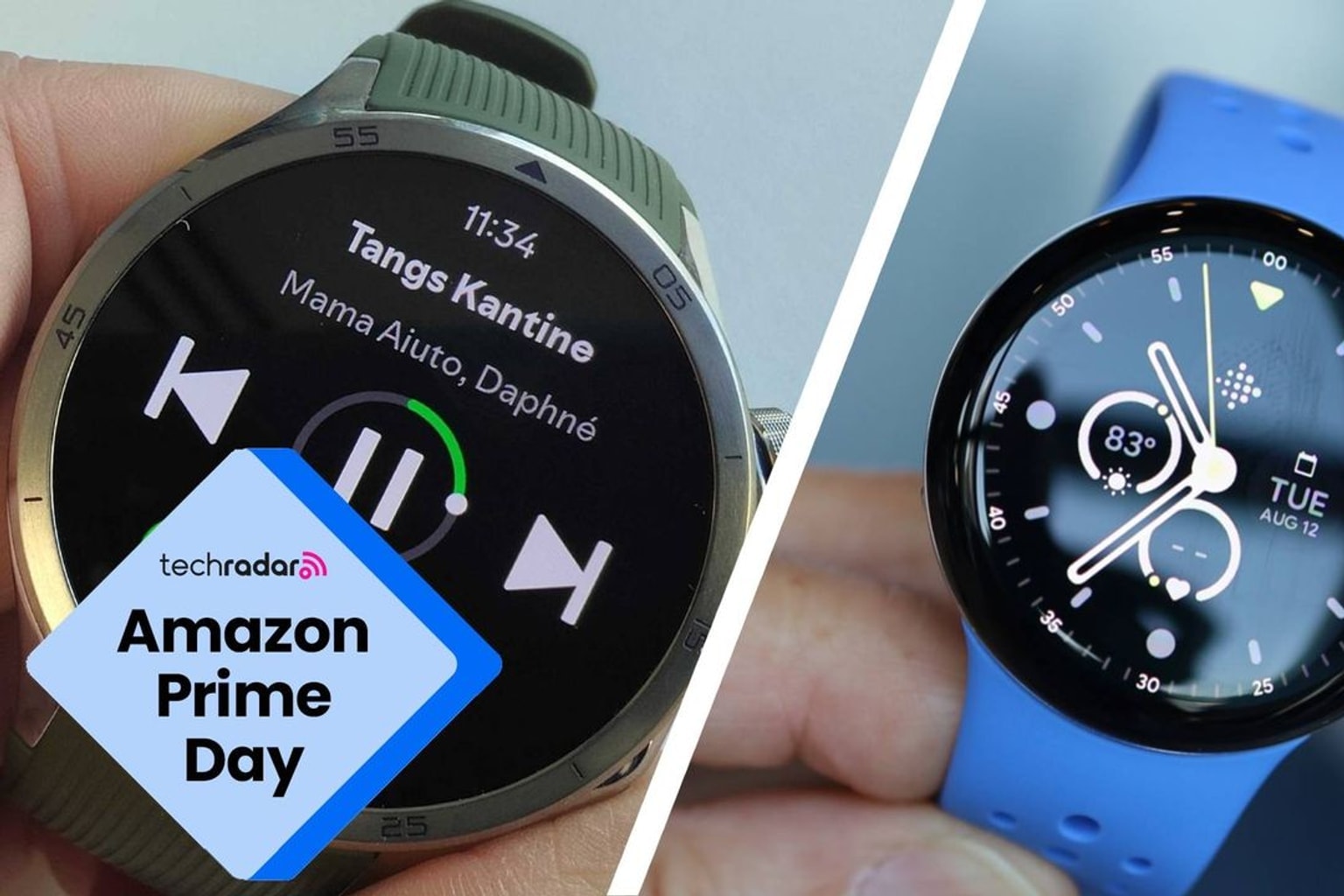
Amazon’s Prime Day sales event has triggered a massive wave of discounts on Wear OS smartwatches. Tech outlets are highlighting steep price cuts on flagship devices from Samsung and Google, framing them as highly viable alternatives for users looking to replace an Apple Watch.
What happened
Shopping monitors like TechRadar are tracking significant price drops on Android-compatible wearables across the internet. The focus is squarely on devices running Google’s Wear OS platform.
Samsung and Google are the primary brands featured heavily in these promotional roundups. Retailers are slashing prices on the popular Galaxy Watch and Pixel Watch product lines.
These discounts arrive during Amazon’s massive annual summer sales event. The promotions specifically target consumers who want premium smartwatch features but actively want to avoid Apple’s proprietary hardware.
Tech reviewers are using the retail event to push Wear OS as a mature, highly capable platform. They highlight the tight integration between these specific watches and modern Android smartphones.
The sales cover various models and configurations. Discounts apply to everything from entry-level fitness trackers to premium titanium smartwatches.
Why it matters
Smartwatches remain a high-margin luxury purchase for many tech consumers. Prime Day often delivers the steepest price cuts of the entire calendar year on these specific gadgets.
Apple currently dominates the global wearable market by a wide margin. Aggressive pricing from competitors is absolutely necessary to chip away at that massive market share.
Deep discounts on Wear OS devices give current Android users a strong financial incentive to upgrade their aging hardware. Lower prices remove the primary barrier to entry for advanced health and fitness tracking.
These sales also test long-term ecosystem loyalty. A cheap, high-quality Samsung or Google watch might convince a consumer to abandon the Apple ecosystem entirely.
Wear OS has improved significantly in recent years. These sales put the updated software on more wrists, which directly encourages software teams to build better applications for the platform.
The catch
Prime Day discounts are notoriously fleeting. These specific sales typically last only 48 hours and require a paid Amazon Prime membership to access the checkout cart.
There is a major hardware limitation for anyone actually looking to switch ecosystems. Modern Wear OS devices, including recent Samsung and Google watches, simply do not pair with Apple’s iPhone.
Consumers cannot simply replace an Apple Watch with a Pixel Watch. They must also switch their primary smartphone to an Android device to use the wearable.
Furthermore, the most heavily discounted items are often older warehouse inventory. Retailers frequently use Prime Day to clear out last year’s models before new autumn hardware announcements arrive.
What to verify
Shoppers should check the exact model number before buying a discounted watch. A massive price drop might apply only to a previous generation rather than the newest release.
Verify the physical size and connectivity options. The headline price often applies only to the smaller watch face with standard Bluetooth, while cellular LTE models cost significantly more.
Check the official warranty status on discounted electronics. Some third-party sellers on Amazon offer refurbished units under the guise of brand-new sales.
Compare the sale price directly against the manufacturer’s official website. Samsung and Google sometimes match Amazon’s prices without requiring a monthly subscription fee.
Source trail
This information comes from a TechRadar shopping guide tracking Prime Day smartwatch deals. The outlet compiled top discounts on Wear OS models from Samsung and Google.
Additional context regarding the wearable market and Prime Day sales patterns aligns with standard retail tracking practices during Amazon’s annual event.