A dedicated sleep technology tester at Tom’s Guide has published a curated list of the four best Amazon Prime Day deals on wearable health trackers. The recommendations highlight specific discounts on major industry brands including the Oura Ring, Whoop, and Fitbit.
What happened
Tom’s Guide released a targeted shopping guide focused entirely on sleep tracking technology for the Amazon Prime Day sales event. The publication narrowed down a crowded field of health wearables to just four top-rated devices.
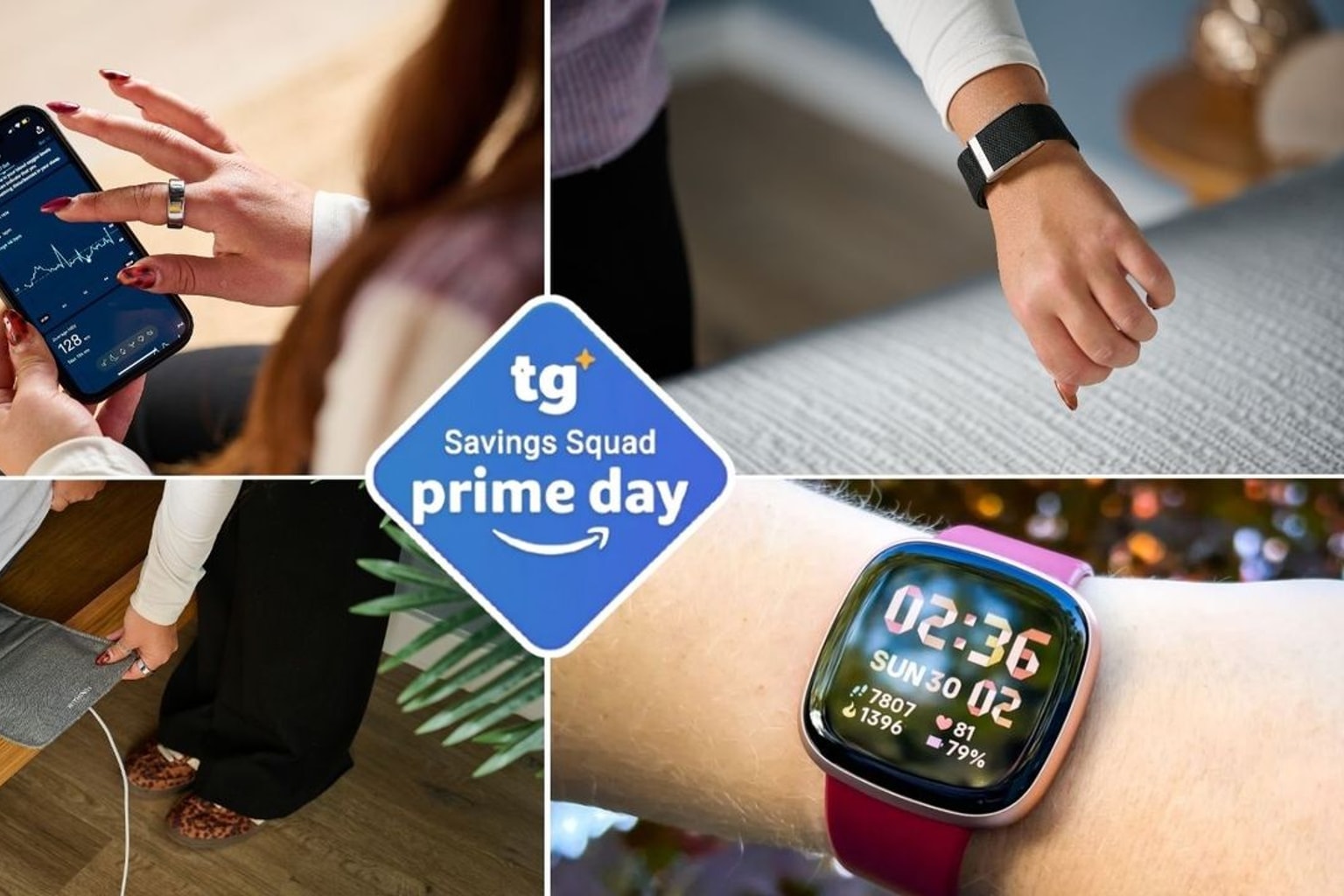
The author based these specific Prime Day recommendations on a full year of hands-on testing. The list features the Oura Ring, a titanium smart ring that measures heart rate, blood oxygen, and body temperature directly from the finger.
The guide also highlights Whoop, a screen-free fitness band known for its daily recovery scores and strain metrics. Fitbit models round out the highlighted brands, offering more traditional wrist-based step and sleep tracking.
The article filters out generic, lesser-known brands to focus on established market leaders. It points shoppers toward devices that demonstrated proven sleep-tracking accuracy during the author’s testing process.
Why it matters
Amazon Prime Day routinely floods shoppers with thousands of discounted electronics. Many cheap, off-brand fitness trackers offer highly inaccurate sleep data.
A curated list from a professional sleep tech tester cuts through this retail noise. It helps consumers avoid spending money on unreliable sensors that fail to distinguish between light sleep, deep sleep, and REM cycles.
Premium devices like the Oura Ring and Whoop rarely see deep retail discounts outside of major sales holidays. Highlighting these specific sales gives buyers a rare window to purchase high-end health wearables at a lower entry price.
Accurate sleep tracking requires precise optical hardware and refined software algorithms. The highlighted brands have spent years developing both components to ensure reliable health data.
Shoppers increasingly rely on expert testing to verify these performance claims before buying. This guide provides that professional verification right as hardware prices drop.
The catch
The Tom’s Guide article focuses on the initial purchase price of the physical hardware. However, premium sleep trackers almost always require ongoing financial commitments.
Both Oura and Whoop lock their most valuable health insights behind mandatory monthly or annual subscription fees. A discounted physical device still requires paying a recurring software cost to access detailed daily sleep data.
Fitbit also restricts advanced sleep profiles, readiness scores, and historical health trends to its Fitbit Premium subscription tier. The initial Prime Day savings on the physical tracker might easily be offset by these long-term software costs.
Furthermore, Prime Day deals fluctuate rapidly based on available stock. Inventory for popular ring sizes or specific Whoop band colors often sells out long before the sales event officially ends.
What to verify
Shoppers should carefully check the exact hardware generations on sale. Prime Day discounts sometimes apply only to older models rather than the newest releases.
Buyers need to confirm the specific subscription terms attached to each device. Some trackers include a six-month free trial period that automatically converts to a costly paid plan.
Consumers should also verify device compatibility and sizing. Smart rings require accurate sizing kits, and certain features might require specific smartphone operating systems.
Source trail
The original product recommendations and tester insights appear in [Tom’s Guide](https://www. tomsguide.
com/wellness/sleep-tech/i-test-sleep-trackers-for-a-living-these-are-the-most-top-rated-prime-day-deals-on-oura-ring-whoop-fitbit-and-more). The publication regularly tracks consumer technology deals and reviews wellness hardware.
More context on the timing and structure of Amazon’s annual sales event can be found through [Amazon’s official Prime Day portal](https://www. amazon.
com/primeday).