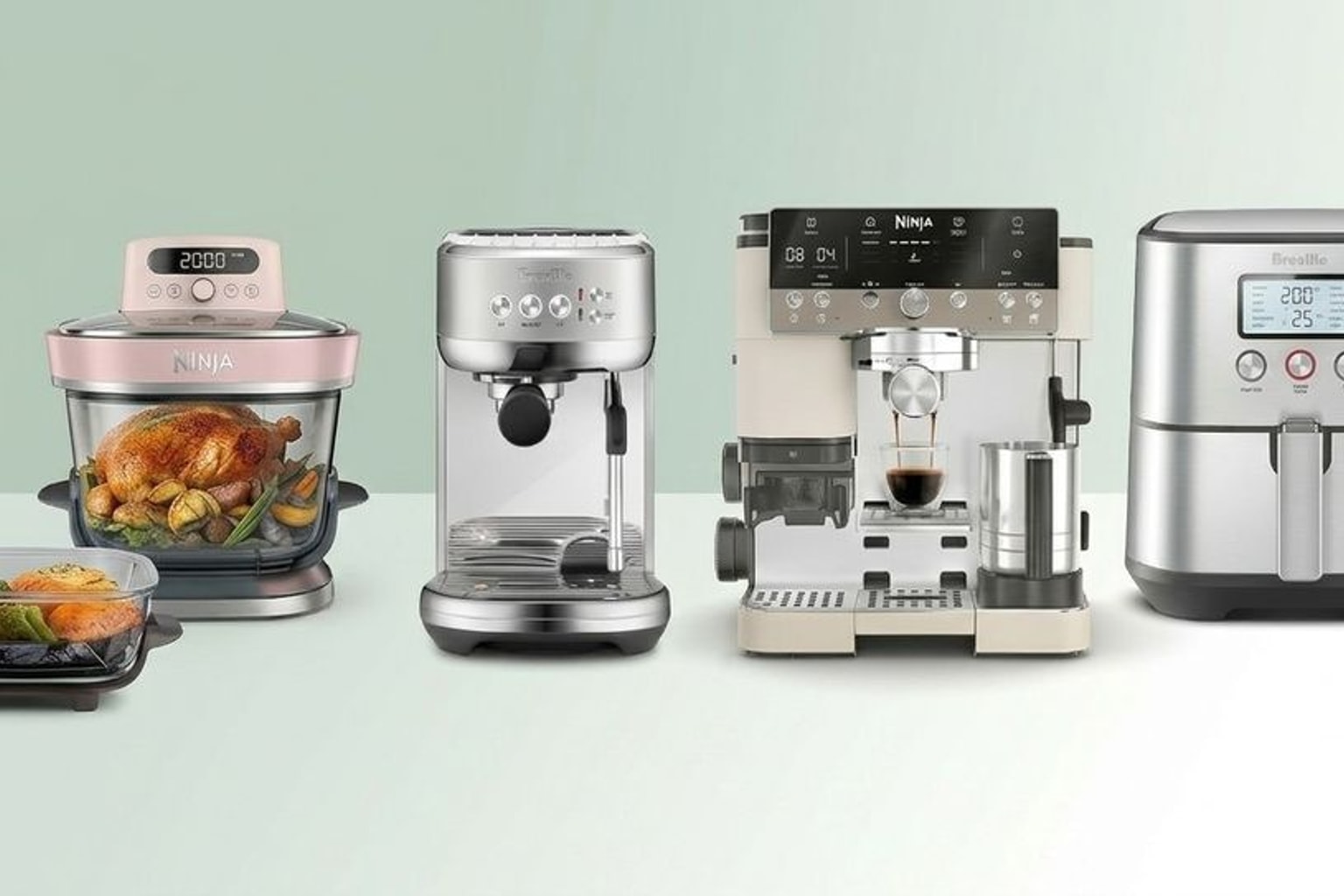
June brings the End of Financial Year sales, sparking a massive wave of online bargain hunting. Tech and home outlets are now highlighting major kitchen appliance discounts on Amazon.
Retailers are rushing to clear out old inventory before the tax year closes.
Why it matters
The end of June marks the close of the financial year in several major global markets. Retailers use this hard deadline to push out older warehouse stock.
They offer heavy discounts to boost their final quarter revenue numbers.
Online publishers capitalize heavily on this seasonal retail shift. Sites publish curated shopping lists to capture a surge in search traffic.
These lists often focus on popular, high-margin home gadgets.
Amazon remains the primary focus for these affiliate roundups. The platform offers swift shipping and a vast inventory of third-party brands.
Kitchen appliances are always a major draw during these clearance events. Shoppers actively look for deals on premium air fryers, espresso makers, and stand blenders.
The promise of a steep, time-limited discount drives incredibly high click rates across the web.
Lifestyle writers frequently frame these roundups as personal wishlists. They highlight items they are tempted to buy themselves.
This personal touch makes the sales pitch feel more like a recommendation from a friend.
The catch
Many consumers engage in aspirational virtual window shopping during these sales. They browse for expensive items they do not strictly need.
The primary appeal often lies in the thrill of finding a rare bargain.
Publishers openly acknowledge this cycle of overconsumption. Writers sometimes admit to having completely cluttered kitchens while still hunting for new gadgets.
This relatable framing helps sell the fantasy of a perfectly upgraded home.
Behind the scenes, these curated lists serve a very clear business purpose. They rely heavily on affiliate marketing networks.
When a shopper clicks a link and buys a stand mixer, the publisher earns a small commission.
Air fryers and multi-cookers dominate these seasonal roundups. They are relatively inexpensive to produce but carry high retail markups.
Retailers also benefit immensely from this symbiotic arrangement. They clear expensive warehouse space to make room for next year’s smart appliances.
The perceived urgency of an expiring financial year pushes hesitant buyers to finally complete their checkout.
The sheer volume of choices can overwhelm casual shoppers. Curated lists narrow down thousands of deals into a digestible top twelve.
This curation reduces decision fatigue and speeds up the purchasing process.
What to verify
Shoppers should always check the long-term price history of these kitchen gadgets. Some major retailers artificially inflate base prices weeks before a scheduled sale.
This deceptive tactic makes the final discount look much larger than it actually is.
It is also highly important to look for upcoming product launch announcements. A heavily discounted premium espresso machine might simply mean a newer version is arriving next month.
Stock levels require careful monitoring during these seasonal events. The most genuine bargains on top-tier brands often sell out within hours of a list going live.
Buyers should also confirm the warranty status on clearance items. Sometimes heavily discounted stock includes refurbished units or older models with shorter support windows.
Return policies on clearance items also demand close attention. Some retailers charge hefty restocking fees for opened kitchen appliances.
Source trail
The original roundup of top EOFY kitchen appliance deals was published by Tom’s Guide.
For broader context on how these seasonal sales operate, consumer protection tools like CamelCamelCamel track historical pricing trends on the Amazon platform.
End of Financial Year sales create a massive surge of curated shopping content. Publishers and retailers both profit from the seasonal rush to clear out bulky kitchen appliances.
Sharing these underlying sales trends helps everyday buyers spot genuine discounts amid the loud seasonal retail noise. A healthy dose of skepticism remains the best tool for any online shopper.