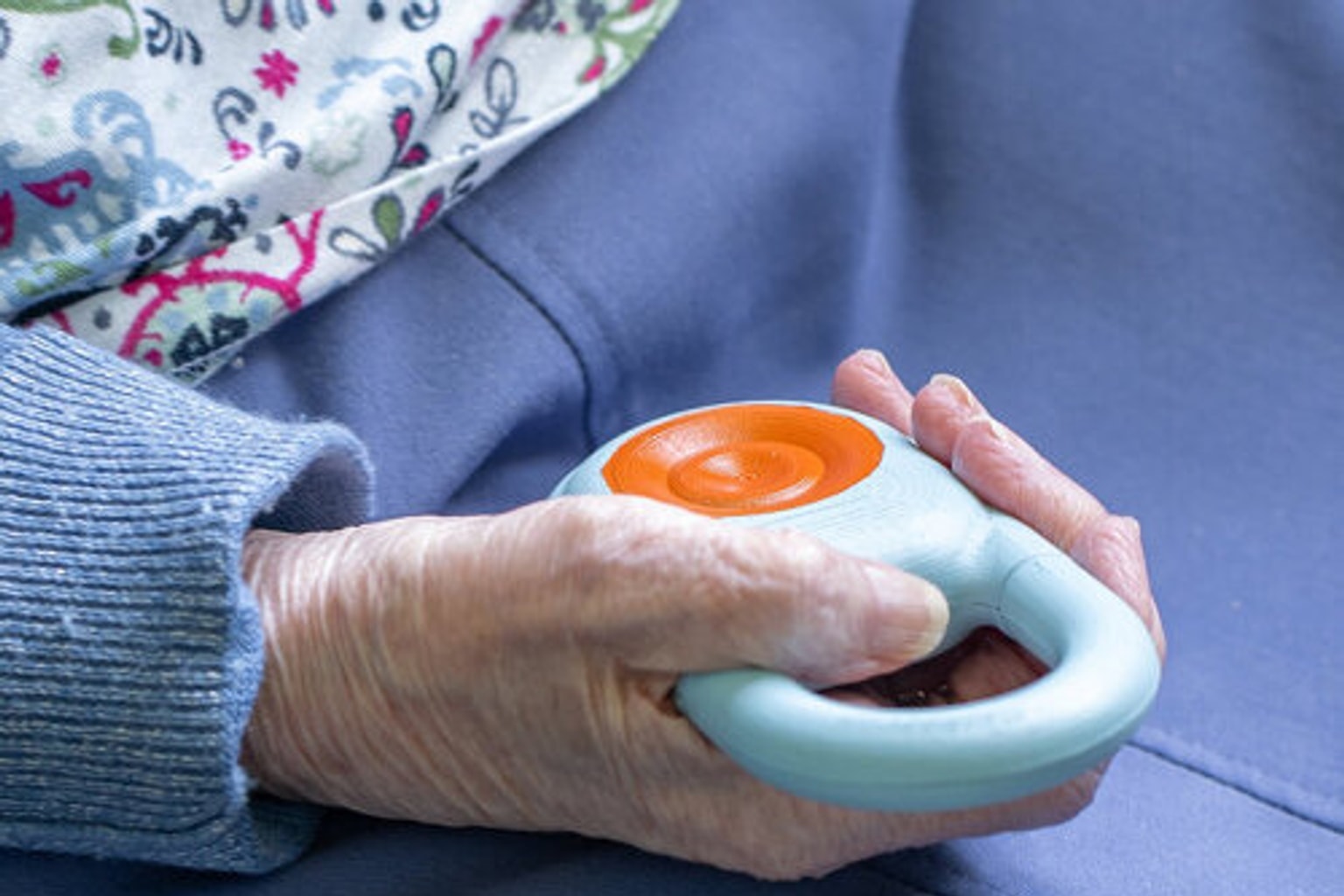
The intersection of healthcare and industrial design is increasingly focusing on one of the most pressing demographic shifts of our time: an aging global population. Recently highlighted by designboom, a new concept named Kando is attempting to reimagine the daily operations of nursing homes.
Developed by the design studio Futurewave, the Kando system proposes a connected network of wearable devices, room interfaces, and central hubs specifically engineered to reshape communication within elder care facilities.
As life expectancy rises, the structural pressures on assisted living environments have become a focal point for technological intervention. This development is particularly useful for anyone invested in healthcare design or elder care advocacy, as it illustrates how ambient technology might alleviate the chronic communication bottlenecks that plague modern nursing homes.
Why it matters
The introduction of the Kando system arrives at a critical juncture for the elder care industry. Facilities worldwide are grappling with severe staffing shortages, high caregiver burnout rates, and the complex demands of residents requiring continuous monitoring.
Traditional call-button systems often lead to alarm fatigue and provide very little context about the nature of a resident’s distress.
Futurewave’s design intervention is gaining traction because it directly targets these systemic inefficiencies. By proposing a cohesive ecosystem rather than a standalone gadget, Kando represents a shift toward holistic facility management.
The design community and healthcare administrators are paying close attention to solutions that promise to streamline workflows while simultaneously affording residents a higher degree of dignity and safety. When a prominent publication like designboom features such a system, it signals a growing appetite for design-led problem-solving in sectors traditionally dominated by strictly utilitarian medical equipment.
The catch
At the core of the public’s interest is how Kando practically functions within the chaotic environment of a care facility. The practical question is how this system differentiates itself from standard consumer smartwatches or basic emergency pendants.
Based on the project’s conceptual outlines, Kando operates through a three-tiered approach. First, residents are equipped with specialized wearables designed for comfort and unobtrusive monitoring.
Second, room interfaces act as localized nodes, bridging the gap between the resident’s immediate environment and the broader network. Finally, central hubs consolidate this data for caregivers, presumably offering a dashboard view of the facility’s real-time status.
The underlying promise is a transition from reactive care—where staff only respond once an emergency button is pressed—to a more connected, proactive model. By linking wearables directly to room interfaces and central hubs, the system theoretically allows caregivers to prioritize responses based on contextual data, reducing unnecessary room visits while ensuring critical alerts are never missed.
The design focuses not just on the patient, but equally on supporting the caregiver’s workflow.
What to verify
While the conceptual framework of Kando is promising, several practical hurdles must be evaluated before it can be considered a viable standard for elder care. Independent analysts and healthcare administrators will need to verify the following factors:
- Data Privacy and Security: How does the Kando system protect sensitive health and location data transmitted between wearables and central hubs?
- Implementation Costs: Upgrading a traditional nursing home to support a fully connected ecosystem of room interfaces and hubs requires significant capital. The financial accessibility of Futurewave’s design remains to be seen.
- Battery Life and Maintenance: In a high-stress care environment, devices must require minimal upkeep. The charging protocols and durability of the wearables are critical operational details.
- Clinical Efficacy: Are there pilot programs or peer-reviewed studies demonstrating a measurable decrease in incident response times or caregiver fatigue?
Source trail
Futurewave’s Kando system offers a compelling glimpse into the future of nursing home infrastructure, proposing a unified network of wearables and interfaces to replace outdated call systems. By balancing resident safety with caregiver support, it highlights the vital role of thoughtful industrial design in addressing the logistical challenges of elder care.
The details about Futurewave’s Kando system were originally featured in a report by designboom, a leading publication covering industrial design, architecture, and technology culture. The platform regularly highlights conceptual and market-ready innovations that sit at the intersection of design and social impact.