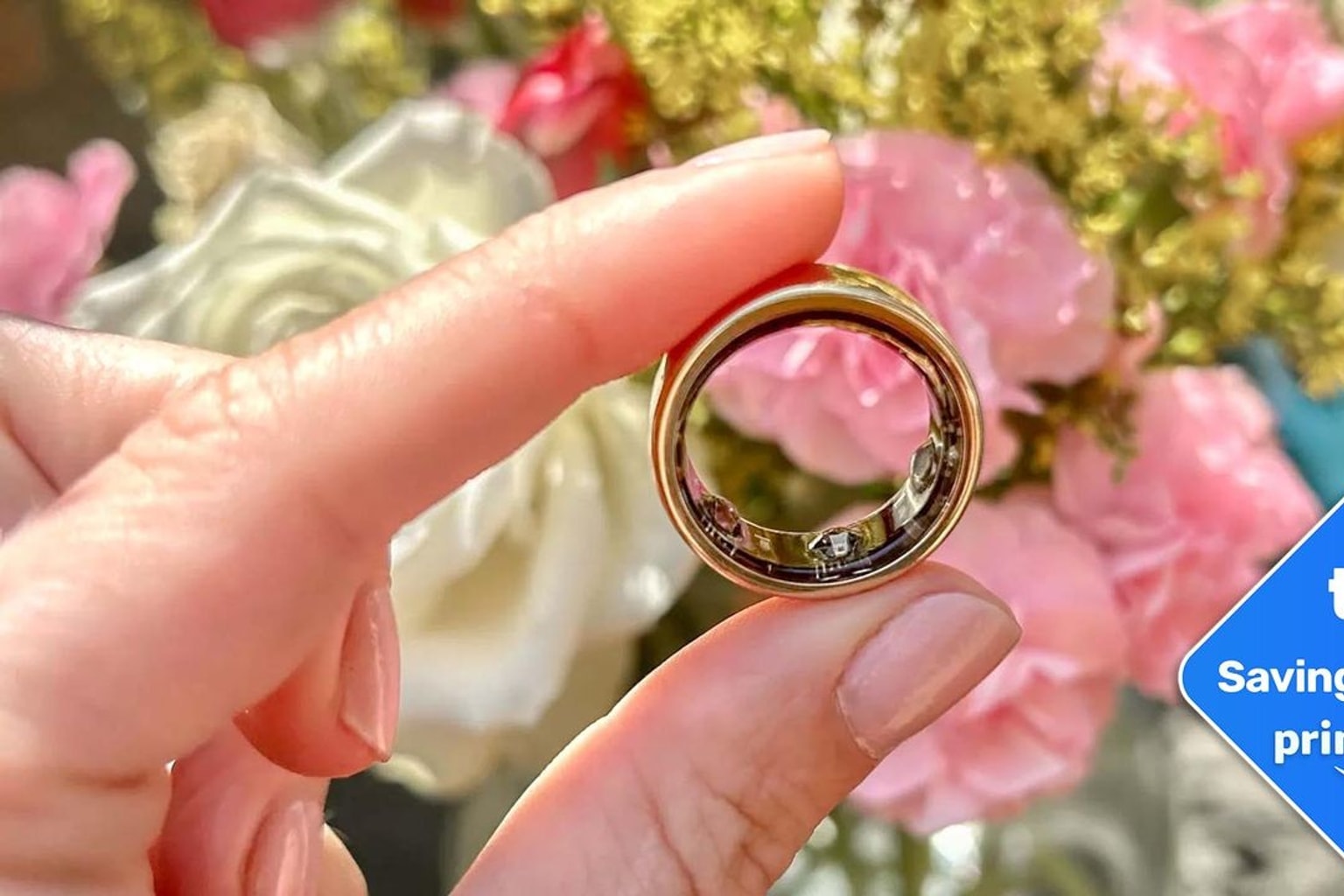
Tech reviewers are urging shoppers to buy the discounted Oura Ring 4 during Prime Day sales. Experts advise against waiting for the unreleased Oura Ring 5, citing current price drops as the better overall value.
Why it matters
The latest Prime Day retail event is driving a massive surge in wearable tech promotions. Shoppers are actively hunting for deep discounts on popular health trackers.
At the same time, rumors about the next generation of Oura devices are circulating widely. This creates a common dilemma for buyers trying to time their tech purchases perfectly.
People worry about buying a device right before it becomes outdated. This fear often causes consumers to hesitate during major sales events.
Tech publications are stepping in to guide these difficult buying decisions. They are highlighting specific discounts that make older hardware significantly more appealing.
Reviewers who test these devices daily are weighing in with definitive advice. They want to cut through the marketing noise surrounding unreleased products.
The catch
Consumer electronics companies routinely discount current models just before a new release. This strategy clears out old inventory and boosts revenue during major retail events.
The Oura Ring 4 is now seeing notable price cuts across major storefronts. Reviewers argue these immediate discounts make it a much smarter purchase than the upcoming model.
Newer iterations of smart rings usually offer only minor, incremental upgrades. A version 5 device might feature a slightly better battery life or a slightly thinner titanium shell.
Still, these small physical changes rarely justify paying the full launch price. A heavily discounted version 4 provides almost identical sleep and activity tracking capabilities.
The core value of a smart ring lies in its software and algorithms. Both the fourth and fifth generation devices will likely use the same mobile application.
This pattern happens constantly across the entire consumer tech industry. It is a predictable, cyclical game of hype generation and inventory management.
Buyers often get caught up in the excitement of a new number on a box. Experts are trying to break that cycle by focusing purely on the cost-to-benefit ratio.
What to verify
Shoppers should check the exact price difference between the discounted model and its original retail cost. Some retail events artificially inflate base prices to make discounts look much larger than they are.
It is also important to track official announcements directly from the manufacturer. Oura has not yet confirmed the exact feature list or release date for a fifth-generation ring.
Buyers must also investigate the current subscription requirements for the device. Oura typically requires an ongoing monthly fee to unlock all detailed health data and insights.
These mandatory subscription costs can quickly erase the initial savings from a hardware discount. Consumers need to calculate the total cost of ownership over two or three years.
Finally, shoppers should verify the return policy on discounted electronics. Buying a sizing kit first is crucial for smart rings, which complicates the fast-paced nature of flash sales.
Source trail
The initial buying advice comes from a recent deal report published by Tom’s Guide. The publication specializes in testing consumer electronics and tracking fluctuating retail sales.
For broader context on how these devices track health metrics, the background record includes overviews of smart ring technology.
Retail events like Prime Day frequently shift the pricing landscape for these specific gadgets. Deal hunters rely on these tech blogs to filter out the bad offers.